 I'm done searching
Do you need backup heat with a heat pump in Iowa
Once you send the form, finding a pro is off your list.
Most of Iowa heats with gas, and that question comes up for a reason. A heat pump moves heat instead of making it, and below a certain outdoor temperature it has less heat to move. That's when a furnace matters. Whether you need one, and how it's sized against the heat pump, depends on the unit you have and how your system was set up to begin with.
This is a job for someone who installs these year-round in this state, not a crew that treats Iowa winters as an edge case. A contractor who works on heat pumps here every season has seen how they pair with gas furnaces in homes like yours, what balance point actually holds up once January gets here, and where an installation gets it wrong. That's the kind of judgment you want deciding whether backup heat belongs in your setup, and how it should be wired into the system if it does.
Send the request and you're done with the hard part. No list of contractors to sort through, no round of calls to compare. One licensed, local contractor gets your request, and they're the one who shows up to look at your equipment and give you a straight answer for your house. You're not fielding five quotes or explaining your situation over and over.
Below, you'll find how heat pumps and backup heat actually work together, what Iowa's winters mean for a heat pump running on its own, and what a sound setup looks like here. Read through it, then use the button to get your equipment and your home looked at by someone who'll tell you what it actually needs.
Do I need backup heat with a heat pump in Iowa
Iowa winters get cold enough that a heat pump alone usually can't keep up, and most homes here already have a gas furnace to fall back on. If yours does, the question is really whether that furnace still needs to be part of the system, or whether the heat pump is meant to handle everything on its own. The answer depends on how cold it actually gets where you live and what the heat pump is rated to do once temperatures drop.
Yes, almost every heat pump in Iowa needs backup heat for the coldest weeks of winter
A heat pump pulls heat from the outdoor air, and the colder that air gets, the less heat it has to give up. Once temperatures drop into the teens and below, which happens for stretches most winters in Iowa, the heat pump can't pull enough heat to keep the house warm on its own. That's the point where backup heat takes over, usually the gas furnace already in the house. The system is set up to switch to it automatically when the outdoor temperature falls below what the heat pump can handle, so you're not making that call yourself in the middle of a cold snap. Sizing that switch correctly, so the furnace kicks in at the right point and not too early or too late, is part of installing the system properly.




Is your heat pump keeping up on the cold mornings
On the coldest mornings you may notice the air coming from the vents feels cool rather than warm, or the system runs long stretches without the house ever quite catching up to the thermostat setting. You might hear it switch over to a different sound, lower and steadier, as the furnace picks up what the heat pump can't. If that furnace isn't wired in right, or isn't sized to match the heat pump, the house falls behind on the hardest days and stays cold until the weather breaks. Left alone, that's more than discomfort. Pipes in exterior walls and an unheated garage depend on the house holding a baseline temperature, and a system that can't get there puts that at risk.
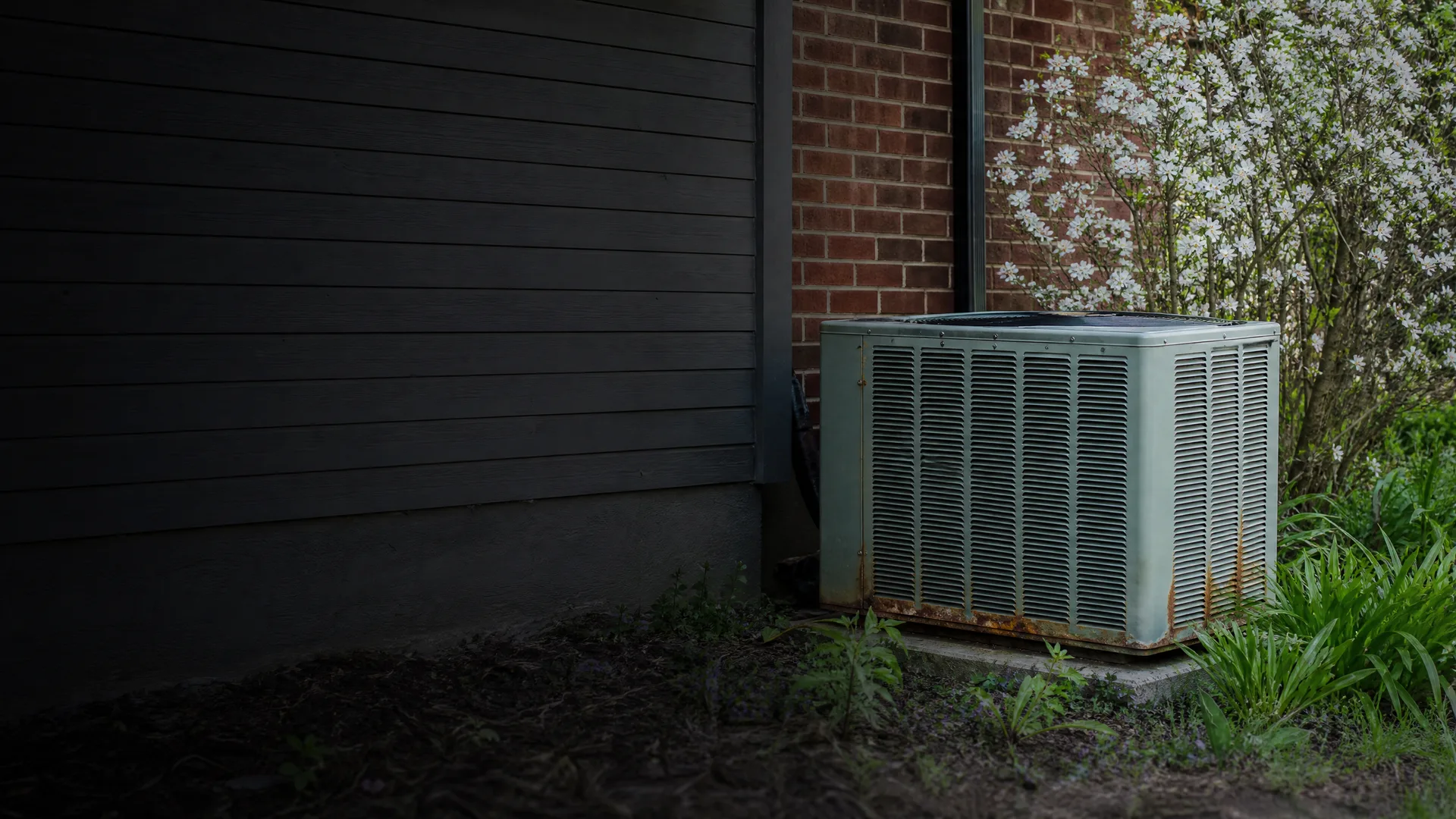
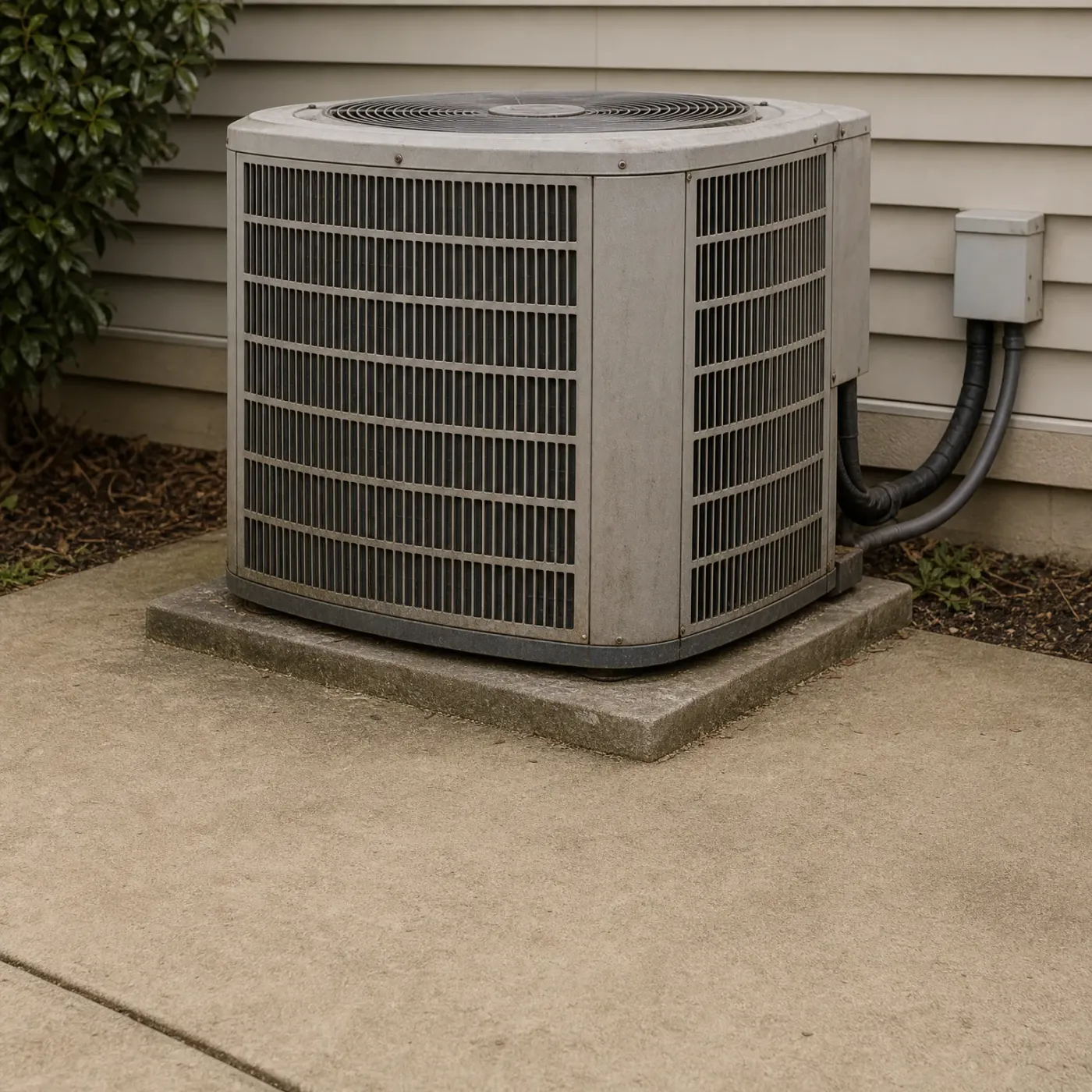
You walk out to the side yard in March to clear the leaves away from the outdoor unit before the warm weather starts up. The cabinet has gone rusty along the bottom edge where the winter runoff sat against the metal, and one of the fan blades ticks when it turns. It's been keeping the house warm enough most mornings, but twice this winter you caught the furnace kicking on when you didn't expect it. You've been meaning to find out if that's normal or if something's wearing out. Once you send in the details, someone who works on this equipment around Iowa all winter can take a look and tell you which it is, and you can stop wondering about it every time you walk past.
Done looking for a heat pump pro
One installer gets your project, so there's no bidding war over it.
Asking costs nothing, and the choice to hire stays yours.
Where the switch happens
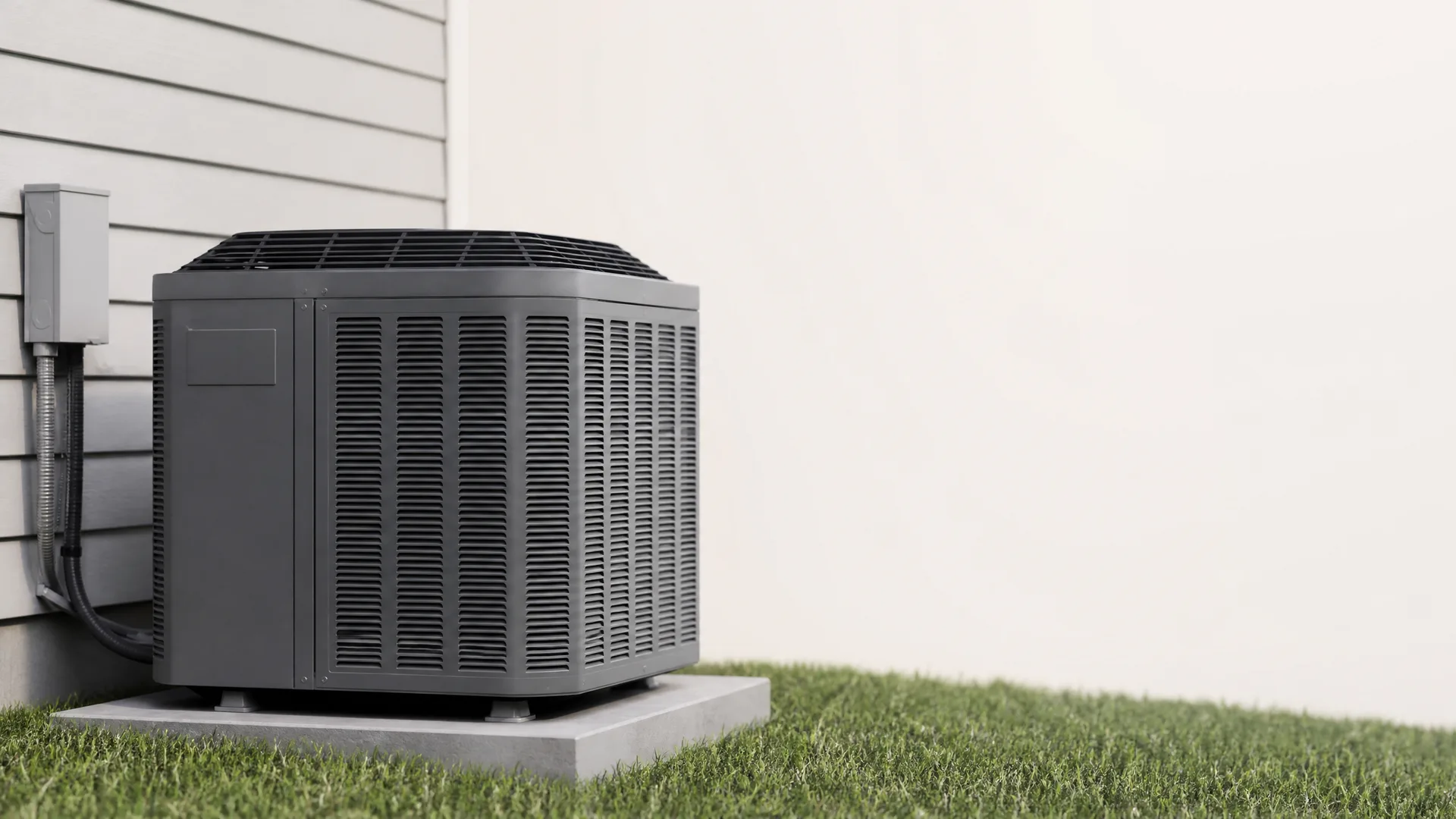
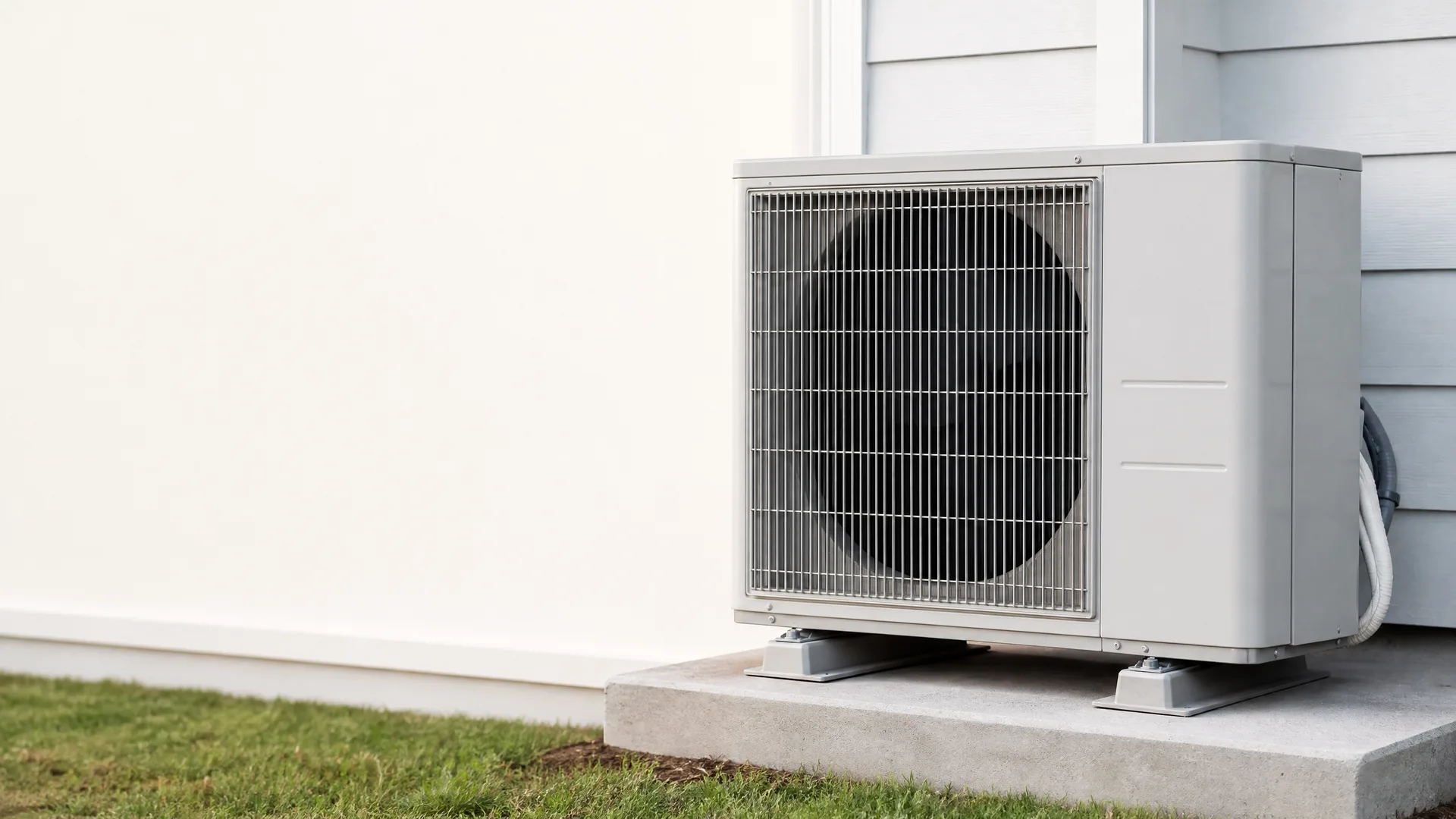
Every heat pump has a balance point, the outdoor temperature where it can no longer pull enough heat from the air to keep up with the house. Below that point, a gas furnace takes over, either automatically through a dual fuel setup or on its own thermostat call. A contractor sets that balance point based on your specific heat pump and your furnace, not a guess.
Backup isn't a small part
Some homes have electric strip heat instead of a furnace. It works, but it draws far more power than the heat pump itself, since it makes heat directly rather than moving it. Iowa's cheap electricity softens that some, but anyone with a gas line already run to the house is usually better off keeping the furnace as backup than switching to strips.
Power costs 13.62 cents per kilowatt-hour statewide
At 13.62 cents per kilowatt-hour, running your heat pump through the mild months costs less than you'd think. It's the deep cold where the math changes, since that's when the furnace does the heavy lifting and gas carries the load instead.
EIA-861 2025 statewide residential average
How the switchover actually works
- A dual fuel system uses a thermostat or outdoor sensor to decide when the furnace takes over, not a switch you have to flip.
- Below the balance point, the heat pump's compressor shuts off and the furnace lights the same way it always has.
- A defrost cycle runs the heat pump in reverse for a few minutes to melt ice off the outdoor coil, and the furnace often kicks in briefly to cover that gap.
- Setting the switchover temperature too low makes the heat pump run in conditions where it's pulling barely any heat from the air, which shows up as longer run times without more warmth.
- A furnace sized for the whole house can still carry the load alone if the heat pump ever needs repair.
- The outdoor thermostat that triggers the switch is a separate sensor from the one on your wall, and it can drift out of calibration over years of use.
A dual fuel system is two machines wired to cooperate, and the handoff between them is automatic. An outdoor sensor, separate from the thermostat on your wall, watches the temperature and tells the system when the heat pump has stopped being worth running. Cross that point and the compressor shuts down while the furnace lights the way it would in any gas-only home. You won't feel a gap between the two. There's also a shorter handoff that happens all winter regardless of temperature. Heat pumps frost up in cold, damp air, and every so often the system reverses itself for a few minutes to melt that ice off the outdoor coil. During that defrost cycle the heat pump is briefly working against you instead of for you, so the furnace often fires to cover the gap and keep the air from the vents warm. Where the outdoor sensor gets set matters more than most homeowners realize. Set the switchover temperature too low, and the heat pump keeps trying to run in air that barely has any heat left to give it, which shows up as the system running longer without the house getting any warmer. That sensor can also drift out of calibration over years of use, quietly changing when the furnace steps in without anyone adjusting a setting on purpose. And if the heat pump ever needs repair, the furnace behind it is sized to carry the house on its own in the meantime.
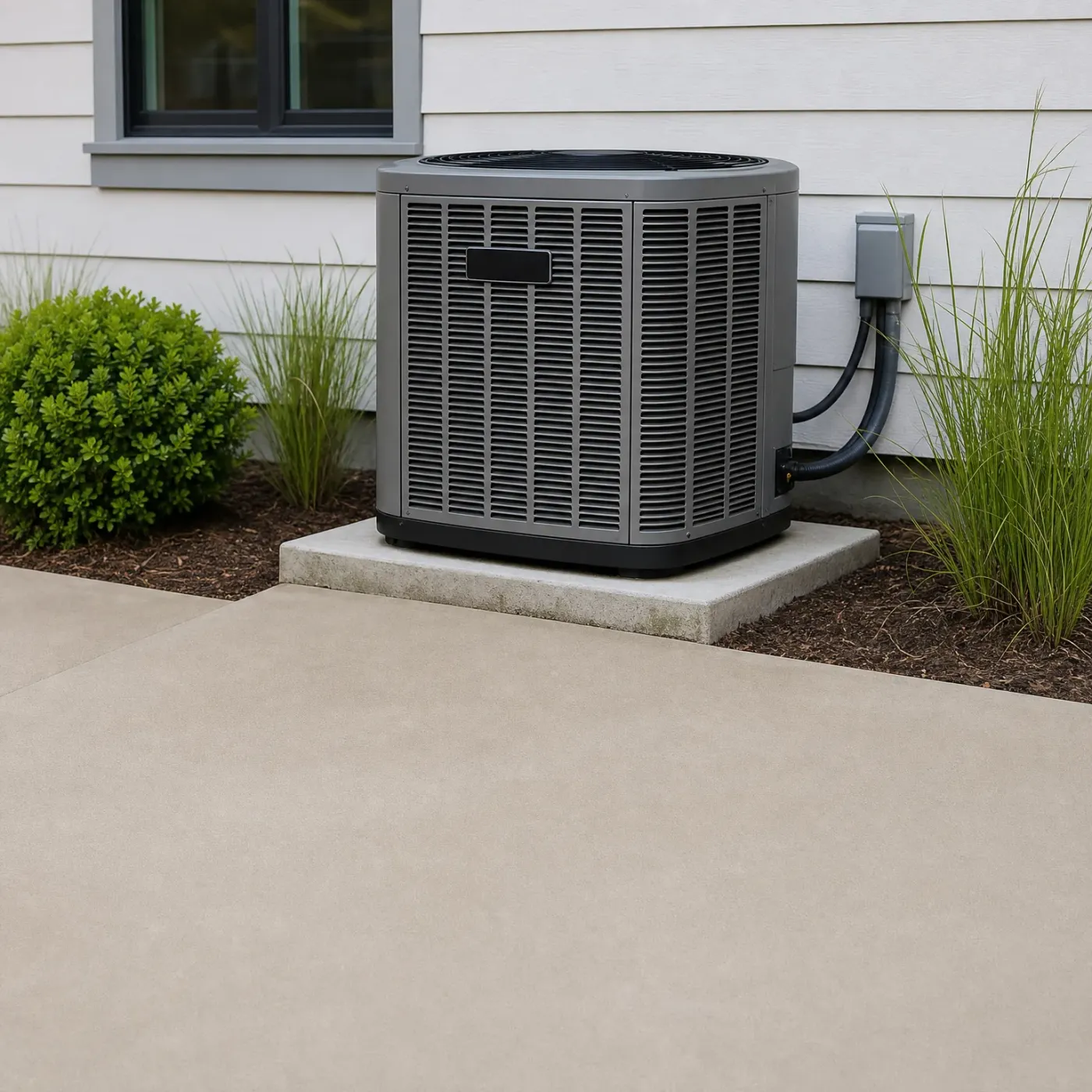
That same heat pump works the other way in summer, pulling moisture out of the air as it cools the house. Averaged across Iowa, the summer dew point runs 62°F, according to NOAA climate data, which is the sticky end of the range. Air that heavy makes the system run longer to feel like it's cooling at all, since it's wringing out all that moisture along with the heat. A unit sized right for your house handles that without trouble. One sized wrong runs long and still leaves the air feeling damp.
NASA POWER T2MDEW county cells weighted by homes
A heat pump in Iowa needs backup heat, and for most homes that backup is already sitting in the basement as a gas furnace. The question that actually matters is whether that furnace and the heat pump are set up to hand off the load at the right outdoor temperature, and whether the heat pump is sized to carry as much of the year as it can before that handoff happens. Get that wrong and you end up with a furnace running more than it should, or a heat pump straining on mornings it was never meant to cover alone. Get it right and the two systems trade off without you noticing, gas taking over for the cold stretch and the heat pump handling the rest, including the summer humidity it was already built to pull out of the air. The equipment can do this well. Whether yours does comes down to how it was installed and sized for your house.


Heat Pump Installation
It's off your list after this
Your request goes to one pro, not a list of companies.
