







Heat Pump Iowa

Heat pump making a loud noise in Burlington, IA

Get a heat pump pro

A heat pump that bangs, rattles, or squeals is telling you something specific, and in Burlington that's worth sorting out before the next stretch of hard weather sets in. Summers here get sticky and winters get hard, and your heat pump is carrying both jobs. A noise that gets ignored tends to show up later as a system that can't keep up, right when you need it most. This page connects you with a licensed contractor local to the Burlington area, someone who works on heat pumps all year and has heard this particular noise before on equipment just like yours. You get matched with one contractor, not a handful of companies competing for your callback. They'll reach out to you directly about what you're hearing and when it happens. Tell them the sound, tell them when it starts, and let someone who knows this equipment take it from there.

A loud noise from a heat pump usually points to one of a few things. Rattling is often a loose panel or screws worked free by vibration. Squealing points to a fan motor bearing wearing out. A grinding or scraping sound means something is hitting a part it shouldn't, often the fan blade against its housing. Banging inside the outdoor unit can mean a loose or broken compressor part, which is more serious. In Burlington, that outdoor unit runs hard both ways, pulling heat out of cold air all winter and pushing heat out into humid air all summer, so parts loosen and wear faster than they would on a system that only had to run half the year. A noise that shows up now and gets louder over a few days or weeks is a part failing, not settling down. Left alone, a loose part can damage others around it, turning a simple fix into a bigger repair.

A woman in a cream cowl-neck sweater stands in a lamp-lit room looking out a window at a snow-covered yard with shrubs and bare trees at dusk.
A woman in a gray turtleneck sweater stands near a large window in a lamp-lit living room, looking out at falling snow and snow-covered conifers.
A woman in a chunky knit sweater stands by a large window looking out at snow-covered ground, with a dimly lit living room containing a gray sofa, framed artwork, shelves and table lamps behind her.
A woman in a gray turtleneck sweater stands in a dimly lit living room with a lamp and bookshelves, looking out a multi-pane window at falling snow.

Why does your heat pump sound like that

You probably heard it before you saw anything wrong. A rattle when the outdoor unit kicks on, a squeal that starts low and climbs, or a bang when the system switches between heating and cooling. Maybe it's louder at night when the house is quiet, or it shows up every time the unit cycles on. You might notice the airflow feels weaker than usual, or the unit seems to be working harder to keep up. Left alone, a loose part can wear against something else and turn into a bigger repair, and a failing motor can stop altogether, which in a Burlington winter means your heat pump isn't there when you need it most.

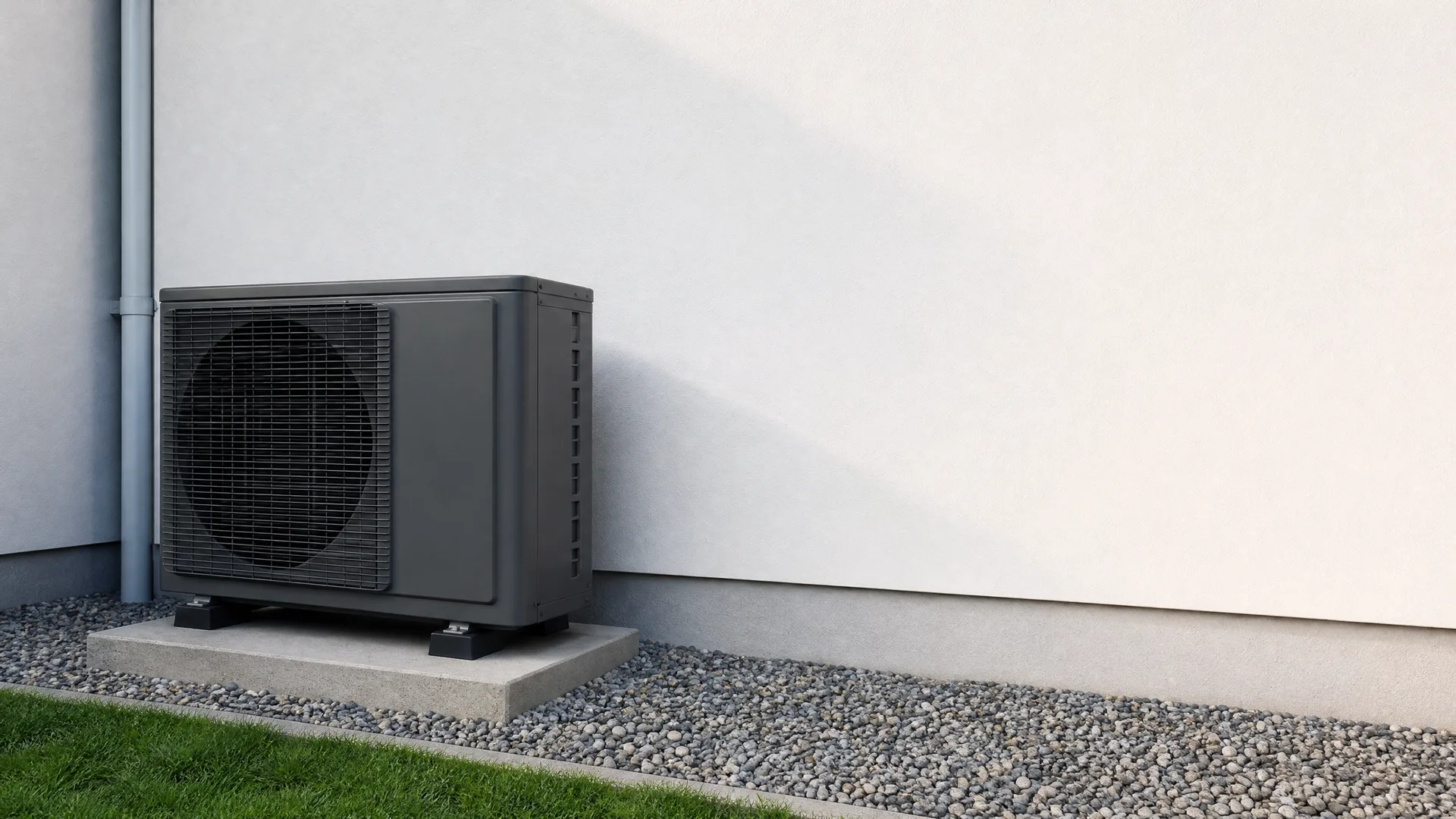
A dark grey air-source heat pump unit on a concrete pad beside a light-coloured rendered wall, surrounded by gravel with a strip of grass in the foreground and a downpipe at the left.

What the outdoor unit runs through

A heat pump switches between heating and cooling more than a furnace or an AC unit does on its own, because it does both jobs. That reversing valve shifts the refrigerant flow every time the system changes modes, and the clunk or bang you hear at that switch point often comes from there. Burlington winters push the system into heating mode for months at a stretch, so it gets a lot of use. A valve that's starting to stick tends to get louder before it fails outright.

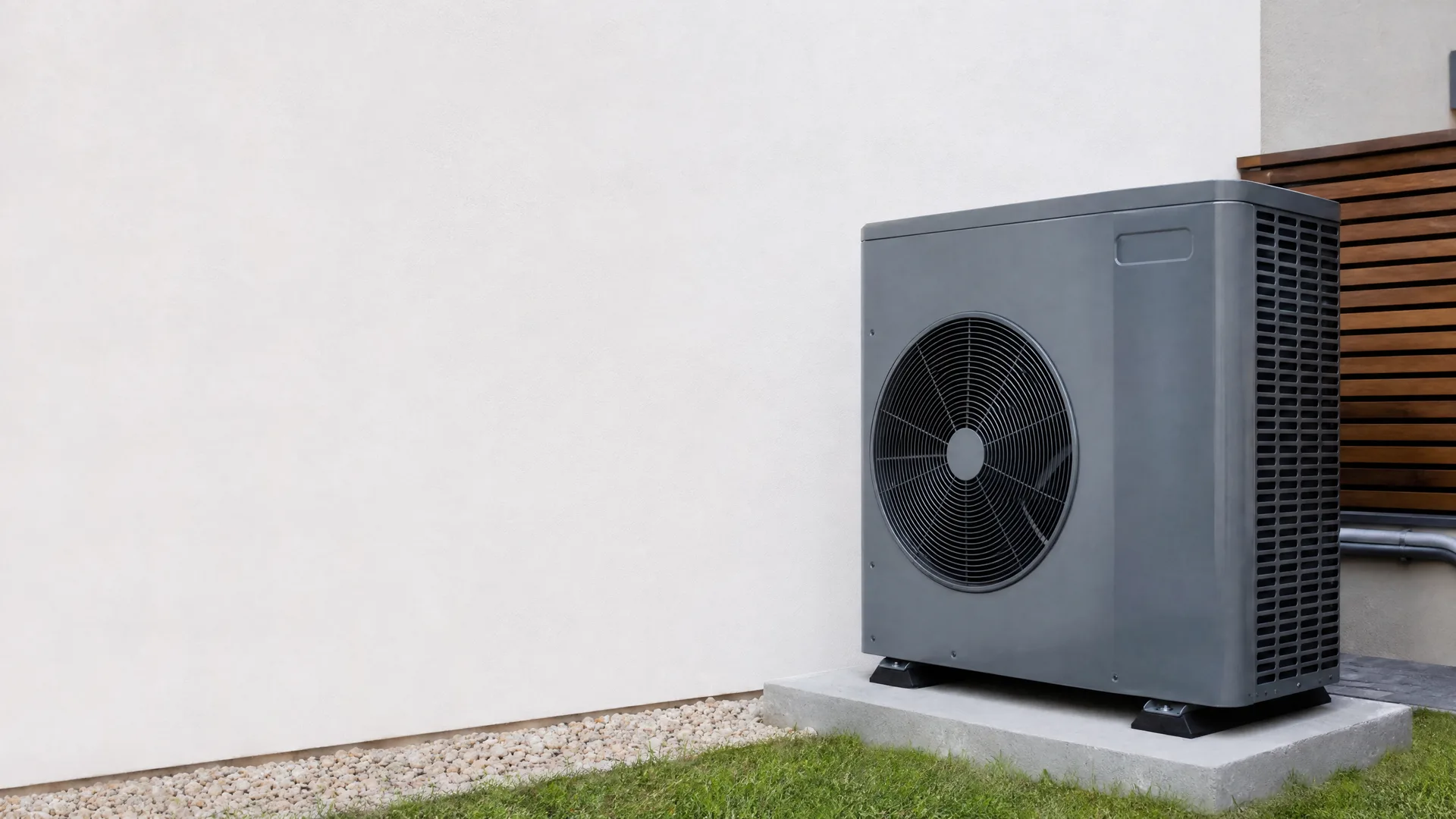
A gray outdoor heat pump unit on a concrete pad beside a white stuccoed wall, with gravel and grass in front and a wooden slat screen behind.

Ice is part of normal operation

Outdoor units build up frost in cold weather and run a defrost cycle to clear it, which is normal. During defrost, you may hear a hiss or a change in the unit's sound as it briefly reverses. That's different from a grinding or scraping noise, which means a fan blade or another moving part is hitting something it shouldn't. If the sound only shows up during defrost, it's worth noting when it happens before anyone looks at the unit.

Why does my heat pump bang when it switches from heating to cooling?

That bang usually happens right at the switch, not before or after, and that timing is the clue. You've probably noticed it lines up with the system changing over, which means it's not random. In Burlington, where the heat pump is working both sides of the year, that reversing valve gets exercised a lot, and the sound it makes when it shifts is one of the more common complaints owners bring up.

It's the reversing valve shifting position

The reversing valve is what lets a heat pump run both ways, pulling heat in during winter and pushing it out during summer. Every time the system switches modes, a solenoid inside the valve slides a piston to redirect the refrigerant. That piston can hit its end stop hard enough to make a bang, especially as the valve wears or when pressure in the lines is uneven at the moment it shifts. One bang at changeover is usually just the valve doing its job loudly. If it's happening on every single cycle, or the bang has gotten louder over time, that's worth having a contractor check, since a valve that's sticking can eventually fail to shift at all.

  1. Thermostat calls for a mode change, heating to cooling or back.

  2. The reversing valve's solenoid shifts to redirect refrigerant flow.

  3. Pressure inside the valve equalizes before the slide actually moves.

  4. The valve's slide shifts position, and the bang happens right there.

Call Now or Watch It

Call now

  • A grinding or scraping sound means metal is hitting metal, and that usually gets worse fast, not slow.
  • If the noise showed up along with weak airflow or the system blowing warm air in winter, something is already failing.
  • Ice on the outdoor unit with a loud noise points to a problem that can damage the compressor if it keeps running.
  • A noise that's new and getting louder by the day isn't something that settles down on its own.
  • If the unit is tripping its breaker along with the noise, that's an electrical issue worth having looked at before you run it again.

Keep an eye on it

  • A rattle that only happens at startup and stops once the unit is running is often just a loose panel or screw.
  • If the sound is faint and only noticeable when you're standing right next to the outdoor unit, it's lower priority.
  • A noise that's stayed the same for weeks, not gotten worse, gives you more room to schedule rather than scramble.
  • If the system is still heating and cooling the way it should, the noise is a symptom to track, not an emergency.
  • A sound that only happens during the switch between heating and cooling, and nowhere else in the cycle, is worth noting but not necessarily urgent.
  • If you can tighten an access panel yourself and the rattle stops, that may be the whole fix.
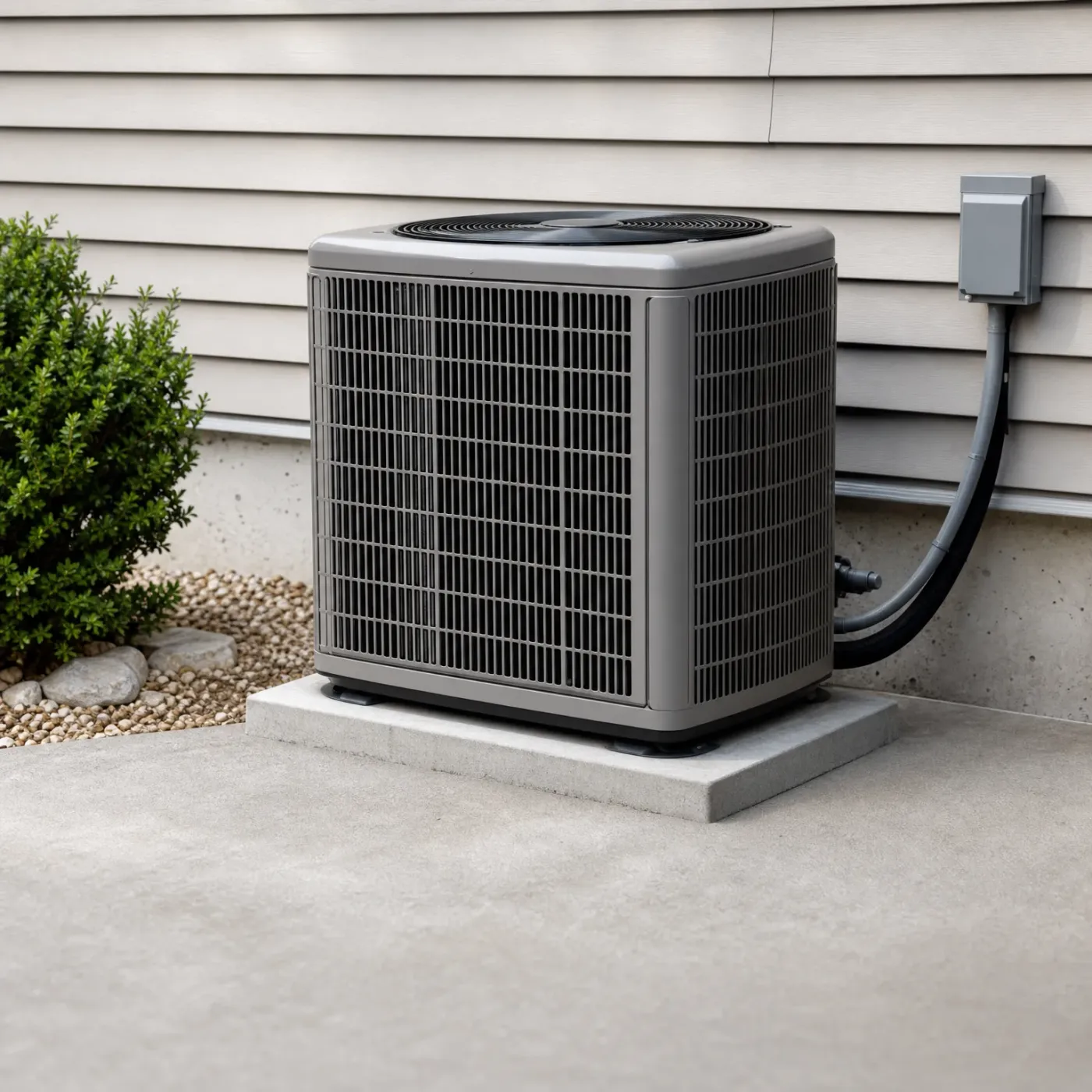
A gray outdoor condenser unit on a concrete pad beside a house with horizontal lap siding, connected by conduit and lines to a wall-mounted disconnect box, with a shrub and gravel bed to the left.
A heat pump that sounds like this is doing its job. Steady hum, even airflow, no rattle when it cycles on.
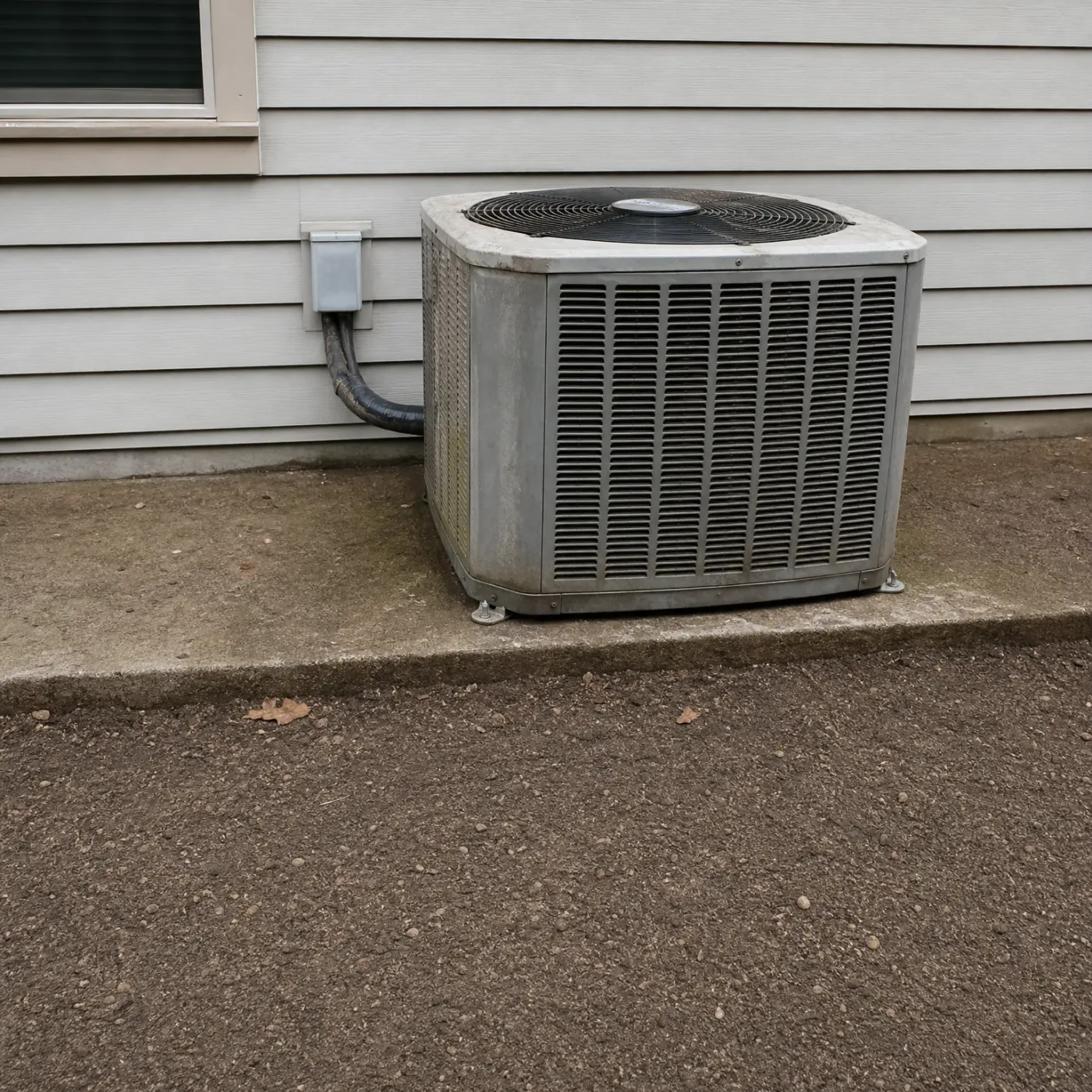
An outdoor air conditioner condenser unit on a concrete pad beside a light gray vinyl-sided house, with an electrical disconnect box and conduit on the wall and bare soil in the foreground.
A unit running rough outside like this is already past the point of waiting it out.
A bearded man in a plaid flannel shirt sits indoors looking out a window at snow-covered trees, with a steaming mug on the sill and wooden kitchen shelves behind him.
A smiling man in a dark blue T-shirt sits on a light gray sofa in a living room with a wooden shelf and window behind him, with a laptop edge visible in the foreground.

Matched to your heat pump job

The pro who gets in touch is licensed in Iowa and works in Des Moines County.

Sending the form costs nothing.

Noise you can wait out

A soft click when the outdoor unit starts or stops is just the compressor or a relay engaging. A faint whoosh as refrigerant moves through the lines is normal too. If the sound is the same every time the system cycles, and nothing else has changed, mild airflow, no ice, no warm air in winter, it's probably not urgent. Keep an ear on it over the next few cycles. What matters is whether it's new, whether it's getting louder, and whether anything else about how the system runs has changed along with it. Steady and familiar sounds are a different thing than something that just started.
Noise that needs a look

A squeal that climbs, a rattle that wasn't there last month, a bang outside of the mode switch, or any grinding sound means something has changed inside the unit. Grinding especially rarely gets better on its own, since metal wearing on metal only wears faster. Pair that with weak airflow, short cycling, or the outdoor unit icing up and the noise is pointing at something already failing, not something about to fail. Waiting through another hot stretch or a cold snap on a unit doing that is how a small part turns into a bigger repair.

Winter nights average 19°F

Winter nights here average 19°F, and that's the stretch where your heat pump works hardest, running long cycles to keep up. A noise that's easy to ignore in October gets harder to live with when the unit is leaning on itself every night to hold the house warm.

NOAA nClimDiv 1991-2020

Waiting it out at home

Some noises are worth watching for a day or two before you do anything else. A rattle that only shows up on windy days might just be a loose cap on the outdoor unit, not the system itself. If the sound hasn't changed, the heat pump still heats and cools the way it should, and nothing smells hot or burnt, you can keep an eye on it through a mild stretch. Write down when it happens, whether it's at startup, shutdown, or partway through a cycle. That timing matters more than how loud it is. If the noise stays the same and nothing else changes, it's reasonable to watch it a little longer before you call anyone.

Getting someone out there

Other noises mean the watching is over. A new sound that showed up suddenly, one that's getting louder week to week, or one that comes with the system struggling to keep up, is worth having looked at before Burlington's next cold snap. A local contractor who works on heat pumps all year knows which sounds come from a thirty-dollar part and which ones mean the compressor is wearing out, and getting matched with one contractor instead of several means you're dealing with one person who already knows what you told them, not repeating yourself on four separate calls while the noise keeps going.

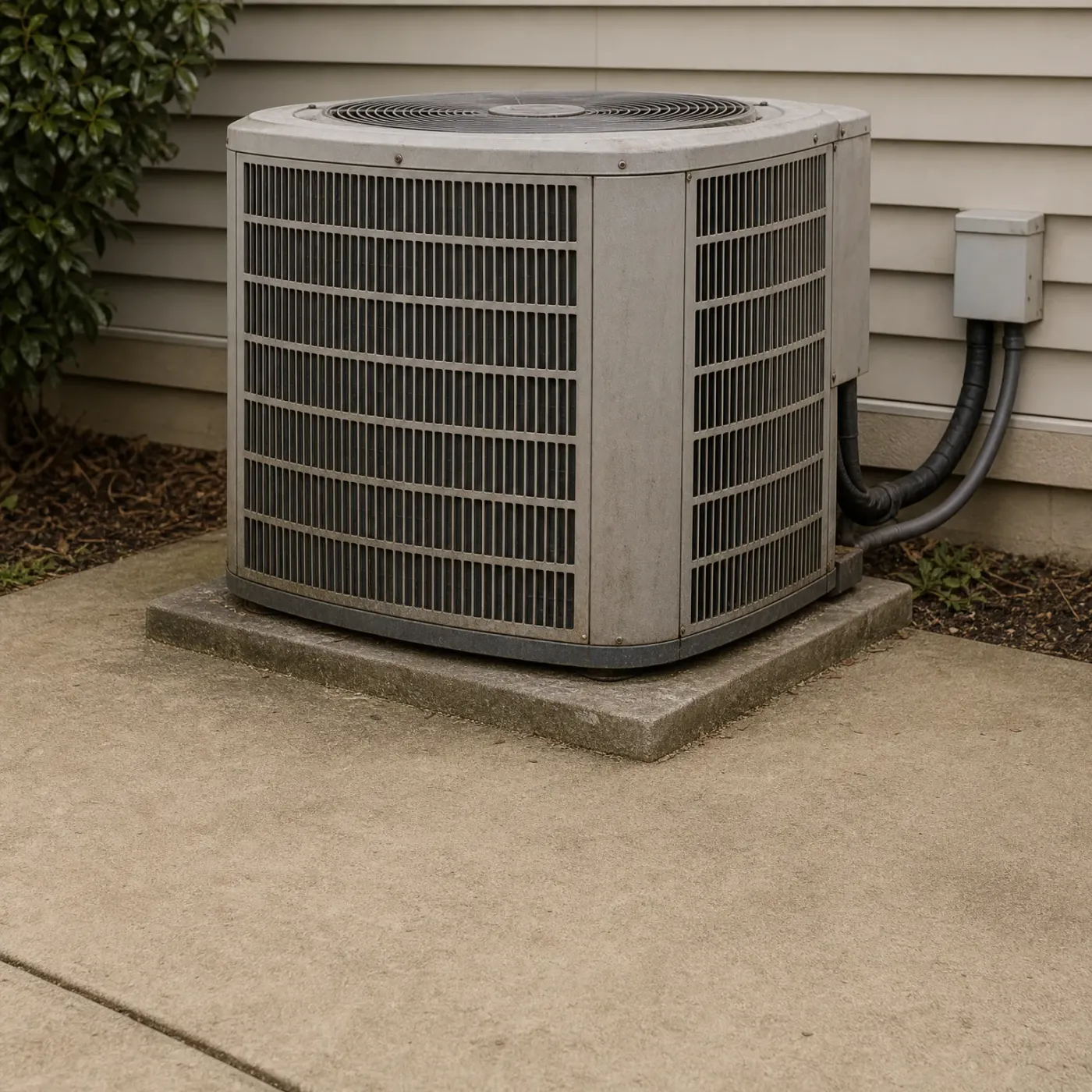
An outdoor condenser unit sits on a concrete pad beside a house with horizontal vinyl siding, with a gray electrical disconnect box and conduit on the wall and a shrub at left.
Before you get your heat pump repair
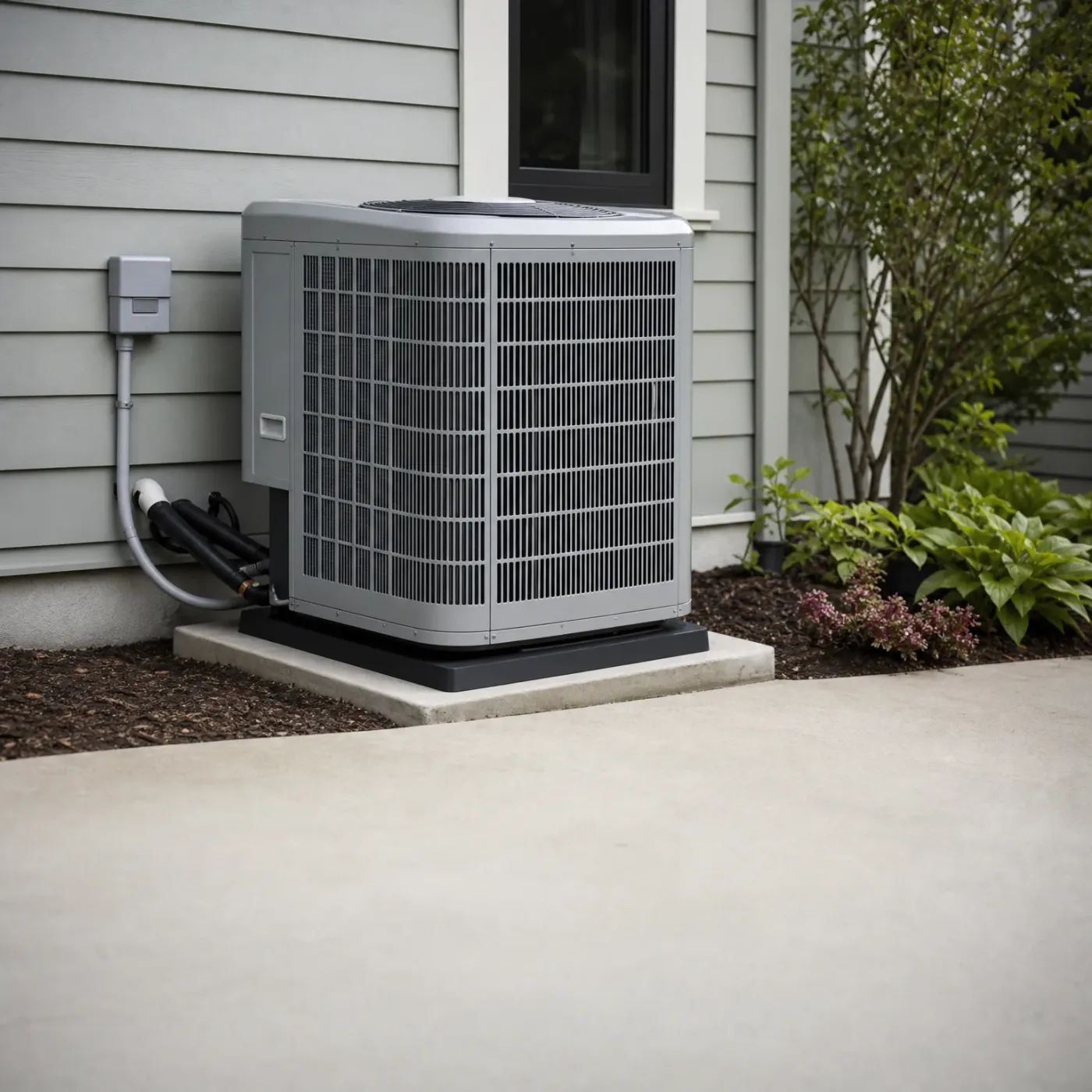
A gray outdoor condenser unit on a concrete pad beside a light-colored lap-sided house, with a wall-mounted disconnect box, refrigerant lines, mulch bed and shrubs, and a concrete walkway in the foreground.
After you get your heat pump repair
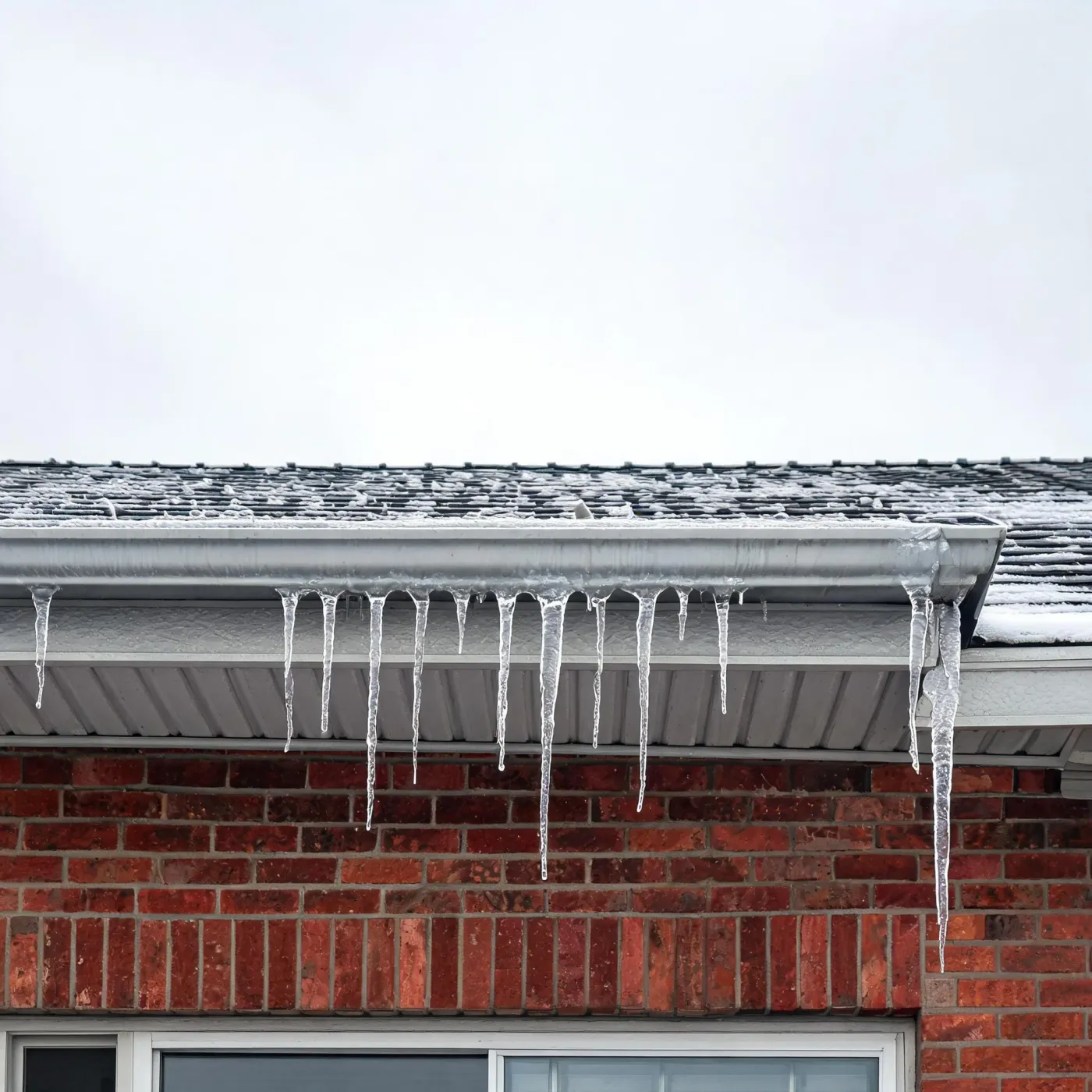
Icicles hang from a metal gutter along the eave of a red brick house with a snow-dusted shingle roof under an overcast white sky.

December through February, nights around here settle in at an average of 19°F, per NOAA data for Des Moines County. That's the cold your heat pump is pulling heat out of, not just the air in your yard, and the colder it gets outside, the longer the unit has to run to keep the house at temperature. A noise that only shows up under load tends to show up now, on the coldest nights, because that's when the compressor and the reversing valve are working the hardest. If the bang or squeal gets worse as the temperature drops, that's not a coincidence.

NOAA nClimDiv 1991-2020

A woman stands in the open black front door of a white-sided house with a dark shingled roof while a man in a navy jacket approaches along the walkway, with lantern wall lights, a potted shrub, and flowering garden beds nearby.

The sound is your answer

A loud noise from your heat pump is information, not background. Rattling, squealing, grinding, each one points to a different part working against itself, and the longer it runs that way the more it tends to cost the part next to it. Catching it now, before the cold nights get harder on the system, is the whole reason to deal with it instead of living with it.

A local contractor who works on heat pumps all year in Des Moines County has heard most of what yours is doing and knows what tends to cause it in this weather. Ask through this page and you're matched with one licensed contractor who takes it from there, not a handful of companies calling you back at once. They'll reach out, take a look, and tell you plainly what's going on with your unit.

A gray upholstered sofa with a beige cushion and knit blanket beside a curtained window, with a white mug and a book on a dark wooden table in the foreground and a lit lamp in the background.
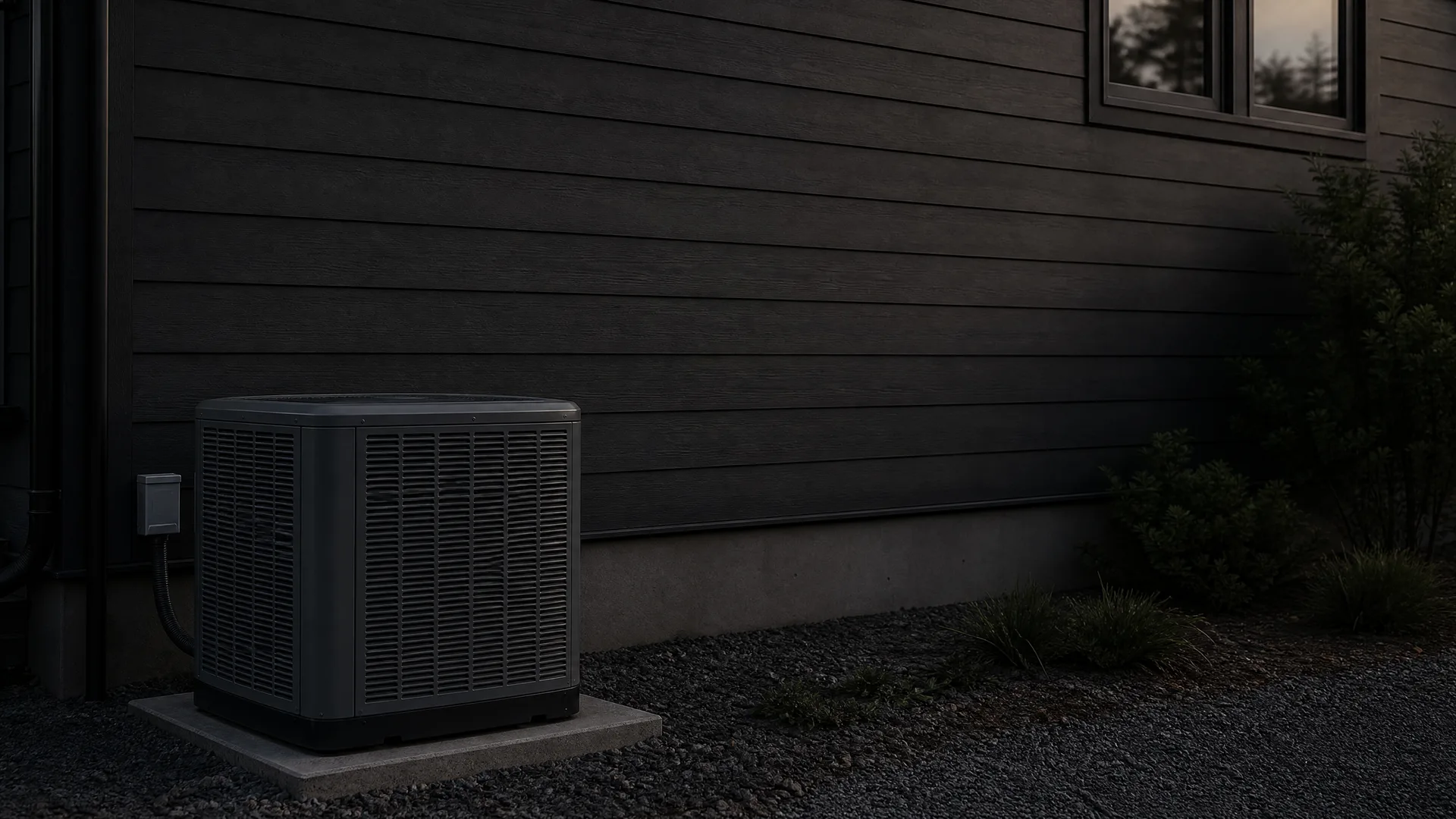
An outdoor condenser unit on a concrete pad beside a dark horizontal-lap-sided house, with gravel, shrubs and a small electrical disconnect box on the wall, in dim light.

A heat pump pro near you

The pro who reaches out is licensed in Iowa.

Step 1 of 3: Equipment