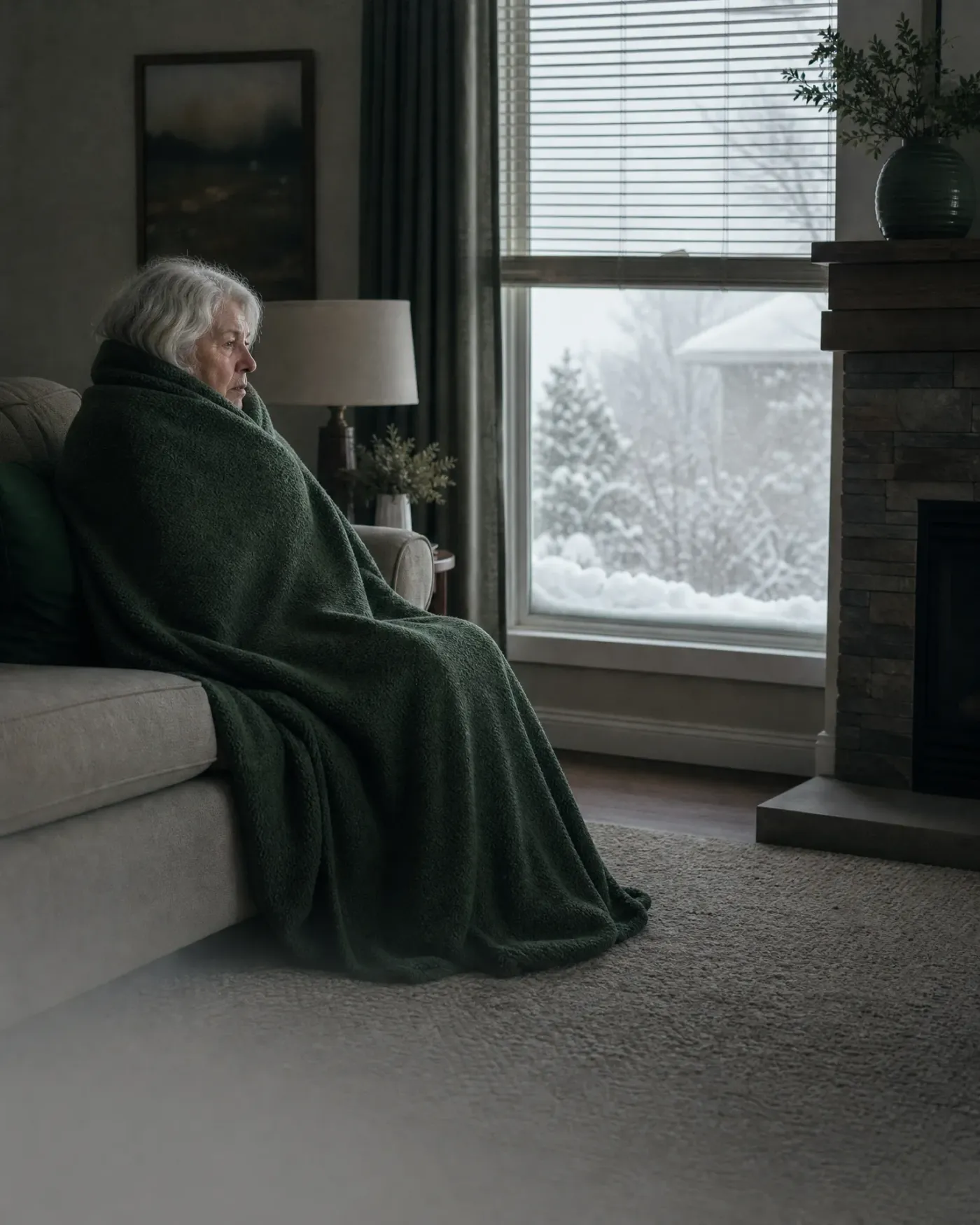
Heat pump not heating in Waukee, IA
A heat pump that runs but blows cool or room-temperature air in a Waukee winter is usually stuck in defrost, low on refrigerant, or losing the argument to the cold. Below about 35 to 40 degrees outside, a heat pump pulls less heat from the air with each passing degree, and once temperatures drop into the teens or lower, as they do for stretches most winters here, many systems need backup heat to keep the house warm. If that backup heat is not kicking in, a bad defrost board, a stuck reversing valve, or a tripped limit switch can leave the unit blowing cold instead. A thick layer of frost or ice on the outdoor unit that never clears on its own points the same direction. None of this means the system is finished. It means something specific inside it needs a hand, and that is a repair job, not a reason to replace the whole thing.

Outdoor coil senses frost and the system checks temperature.
Reversing valve flips, sending hot gas outside to melt frost.
Outdoor fan shuts off so heat isn't lost to the air.
Auxiliary heat kicks in to cover the house meanwhile.
Why does a heat pump struggle so much in a Waukee winter?
Winter nights average 15°F
Overnight lows here average 15°F in December, January and February, and that's exactly the range where a heat pump has the least heat to pull from the outside air.
Heat runs October through May
Heat runs October through May in Dallas County, so a heat pump that can't keep up on cold nights is a problem for eight months, not a passing issue.
Cooling runs June through August
Cooling only runs June through August here, which means the same system spends most of its year heating, not cooling, so winter performance is what matters most.
NOAA nClimDiv 1991-2020
What a Struggling Heat Pump Costs You
- A thermostat set warmer than the heat pump can reach in a Waukee cold snap just runs the system longer without ever catching up.
- Auxiliary heat strips draw a lot more power than the compressor, so a stuck heat pump can push an electric bill up fast even with cheap rates here.
- A heat pump frozen solid on the outdoor unit can't move heat at all until the ice clears, leaving the house to lose ground overnight.
- Rooms farthest from the air handler go cold first, since there's less heat in the air moving through the ducts to reach them.
- A system that won't come out of defrost will keep sending the house cool air in bursts instead of warming it.
- Left alone through a January night, a heat pump that's lost the fight with the cold can let indoor temperatures drop enough to stress pipes.
You'll notice it room by room before you notice it on the thermostat. The bedroom farthest from the air handler goes cold first, then the one past it, while the room closest to the unit still feels fine. That's the air losing heat on its way through the ducts, and in a Waukee January there isn't much heat in it to begin with. Bump the thermostat up a few degrees and the system doesn't catch up faster. It just runs longer, and if the outdoor unit is frozen over, it isn't moving heat at all until that ice melts. That's when the auxiliary heat strips take over, and they pull far more power than the compressor does. Cheap electric rates here soften that, but they don't erase a bill that's running on strips for days instead of hours. Watch for short bursts of cool air coming through the vents when you expect warm. That's the system stuck in defrost, flipping back and forth without finishing the cycle. None of this fixes itself overnight, and if it goes unaddressed through a hard overnight stretch, the house can lose enough ground that pipes along outside walls start to matter. A heat pump that's fighting the cold and losing is worth catching early, before one cold room becomes a cold house.
What the backup heat is doing
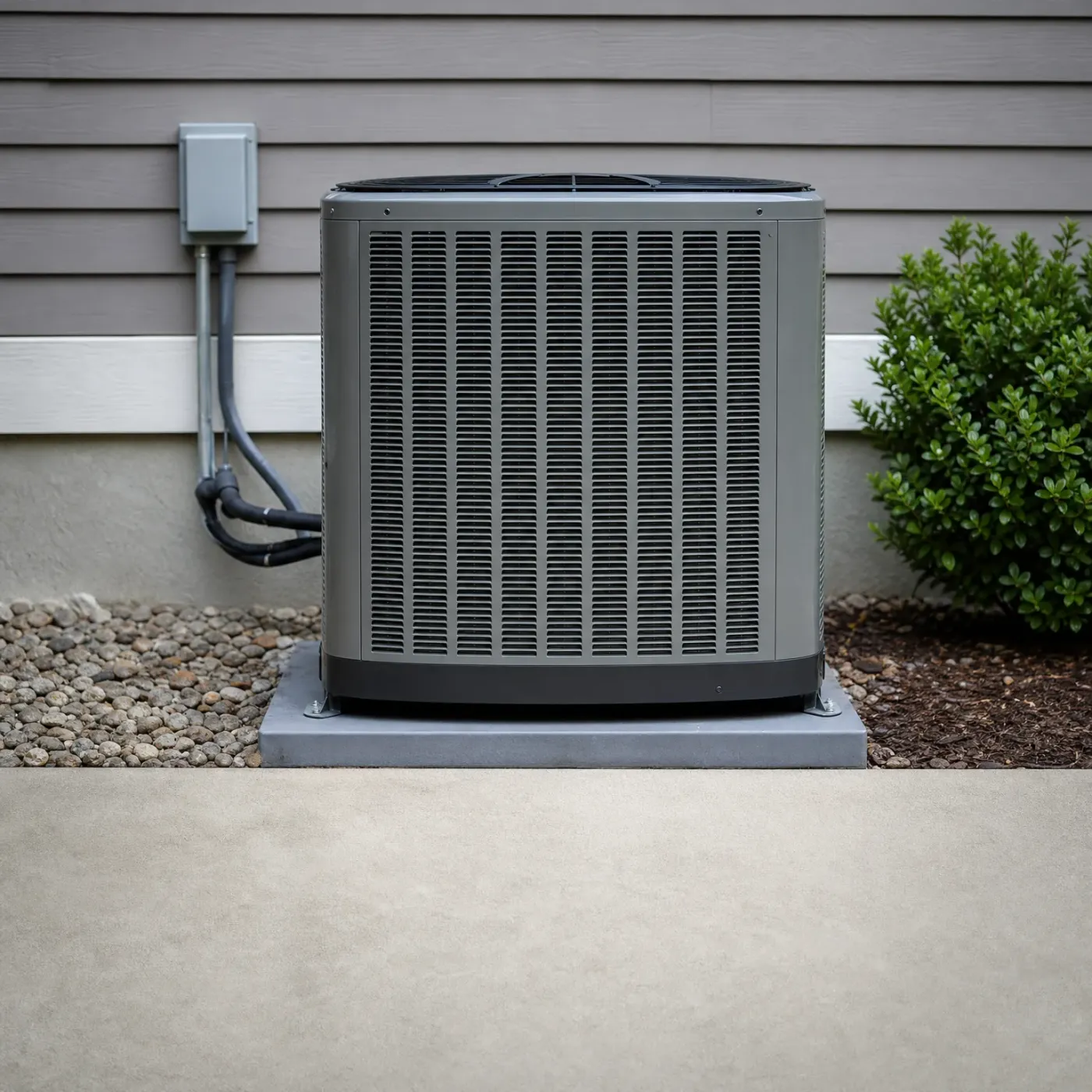
Most heat pumps in Dallas County pair with electric strips or a gas furnace for backup when the outdoor air gets too cold to pull heat from. That backup is supposed to step in below about 35 to 40 degrees, or during defrost, and carry the house until the compressor can take back over. If the backup isn't firing, the heat pump is left to fight a losing battle against a Waukee cold snap on its own, and the air coming out of the vents will feel lukewarm at best. If the backup is stuck on, it'll run nonstop and the heat pump never gets a break, which shows up fast as a much higher electric bill.
Refrigerant doesn't run out, it leaks
A heat pump is a sealed system. It doesn't use up refrigerant the way a car uses gas, so a unit that's low on charge has a leak somewhere, whether that's at a fitting, a coil, or a line running outside to the condenser. Low refrigerant means the system can't move enough heat even when everything else, the reversing valve, the fan, the compressor, is working the way it should. This is also why topping it off without finding the leak first doesn't hold. A technician checking the charge against the manufacturer's spec for that unit is the only way to know if this is the problem or not.




Get matched with a heat pump pro in Dallas County
Send the request today and let a heat pump pro reach out to you.
A Dallas County pro who repairs heat pumps gets your request.
No fee to send it, and nothing to sign.
Call Now or Wait It Out
Call for repair now
- A heat pump stuck blowing cold air isn't cycling through its defrost properly, and that won't fix itself overnight.
- Auxiliary heat strips can carry the house for a while, but they pull far more power than the compressor and the bill shows it fast.
- A low refrigerant charge gets worse over time, not better, and it strains the compressor every hour the system runs short.
- Dallas County winters push lows into the teens, and a heat pump already struggling at 35 to 40 degrees has little margin left to lose.
- Waiting through a cold snap on backup heat alone means paying for a repair later plus the extra power used in the meantime.
- A contractor can tell within one visit whether it's a stuck reversing valve, a refrigerant leak, or a sensor telling the system the wrong thing.
Wait and watch
- If the house is holding temperature and the backup heat is covering the gap, there's no immediate damage happening to the system.
- A single long defrost cycle on an unusually cold night isn't the same as a system that's stuck there every time.
- Checking the outdoor unit for a thick, solid ice buildup versus a light, normal frost layer can tell you if this is routine or not.
- Some homeowners want to track it for a day or two, noting how often auxiliary heat kicks on, before deciding it's worth a call.
- A heat pump that's merely working hard in a hard winter isn't broken, it's doing what it's built to do in the cold.
- Waiting costs more the longer backup heat alone carries the load, since strips or a furnace use more power than the compressor would.
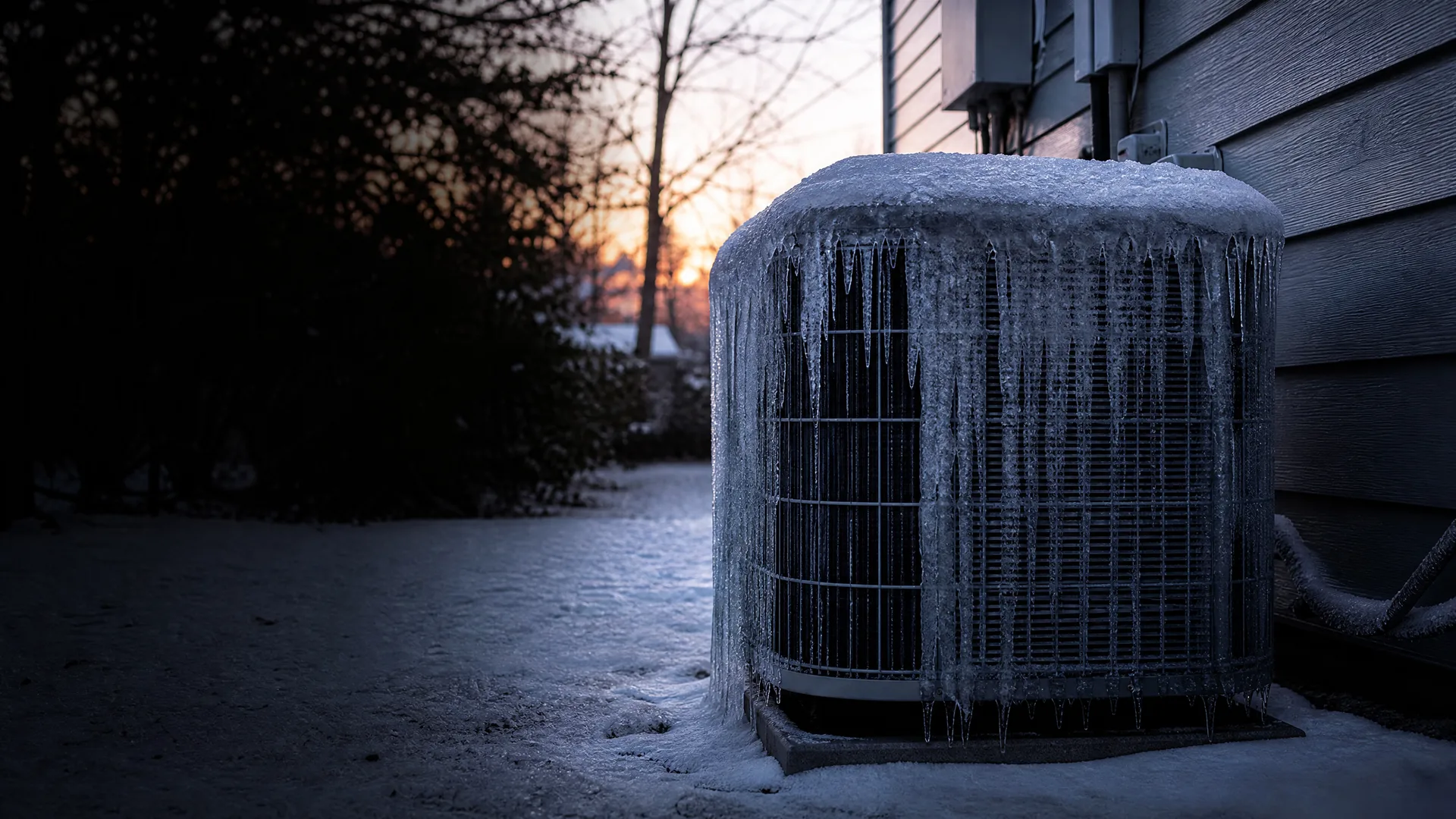
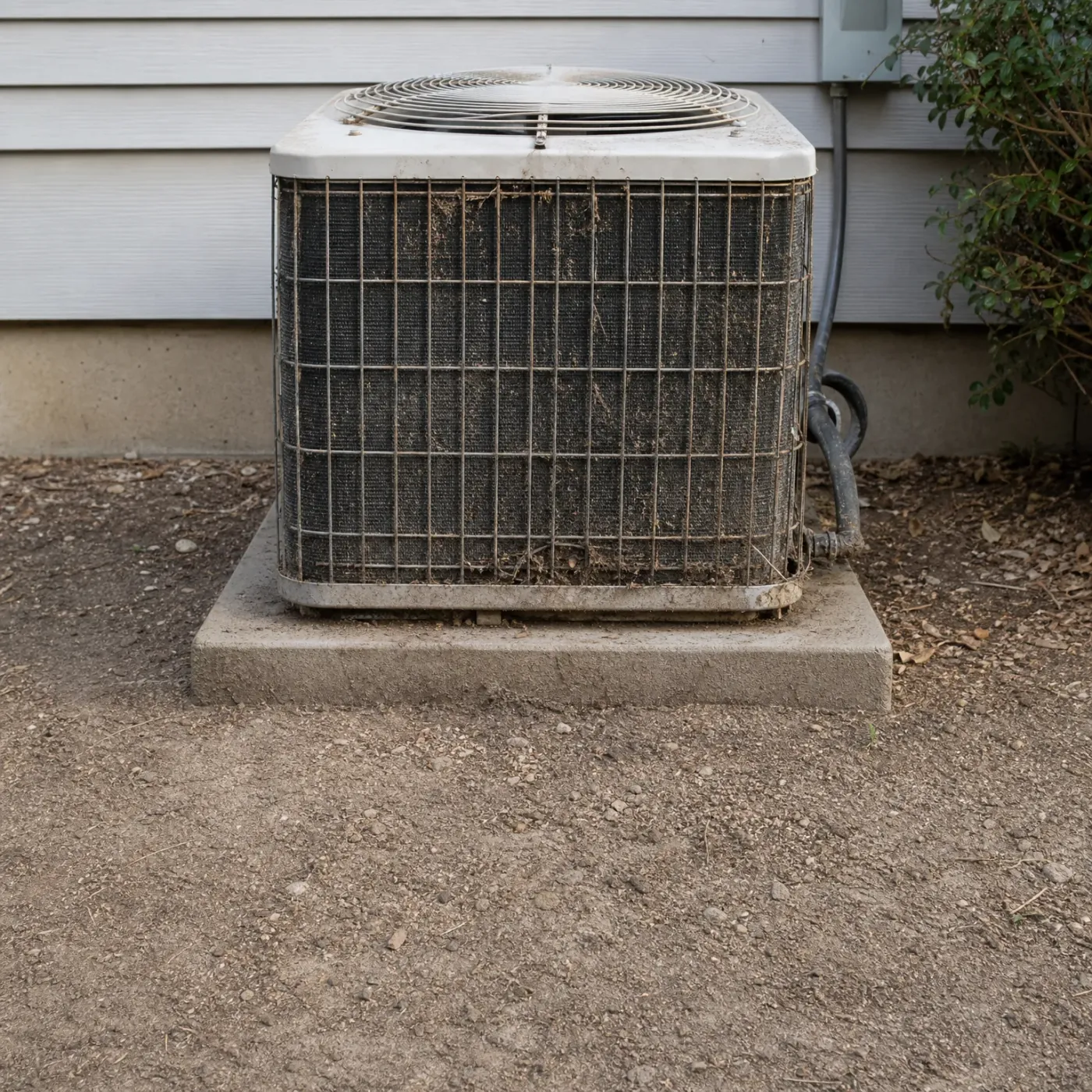
You go out for the paper a little after six, still dark, and the outdoor unit is running but it looks wrong. A half inch of ice has built over the coil, thick enough to see from the driveway, and a skin of frost reaches up the lines toward the house. It's maybe 15 degrees, the kind of morning Dallas County gets a lot of in January. Inside, the air coming out of the vents is lukewarm at best. The unit keeps running anyway, fan humming, doing nothing against all that ice. You stand there a second in your coat, breath showing, and head back in to check the thermostat.
Why does the house feel colder than the thermostat says?
The thermostat reads 70, but the air coming out of the vents feels barely warm, maybe room temperature. You might notice the outdoor unit running constantly, or going quiet for long stretches while ice builds on the coil. Some rooms stay cold no matter how long the system runs. If the backup heat has been carrying the house for days, the electric bill will show it before you do. A heat pump that can't keep up in a Waukee cold snap doesn't just mean a chilly living room. Pipes in exterior walls or an unheated crawlspace are more likely to freeze when the house can't hold a steady temperature, and a system running flat out without relief tends to wear out the parts that are already struggling.
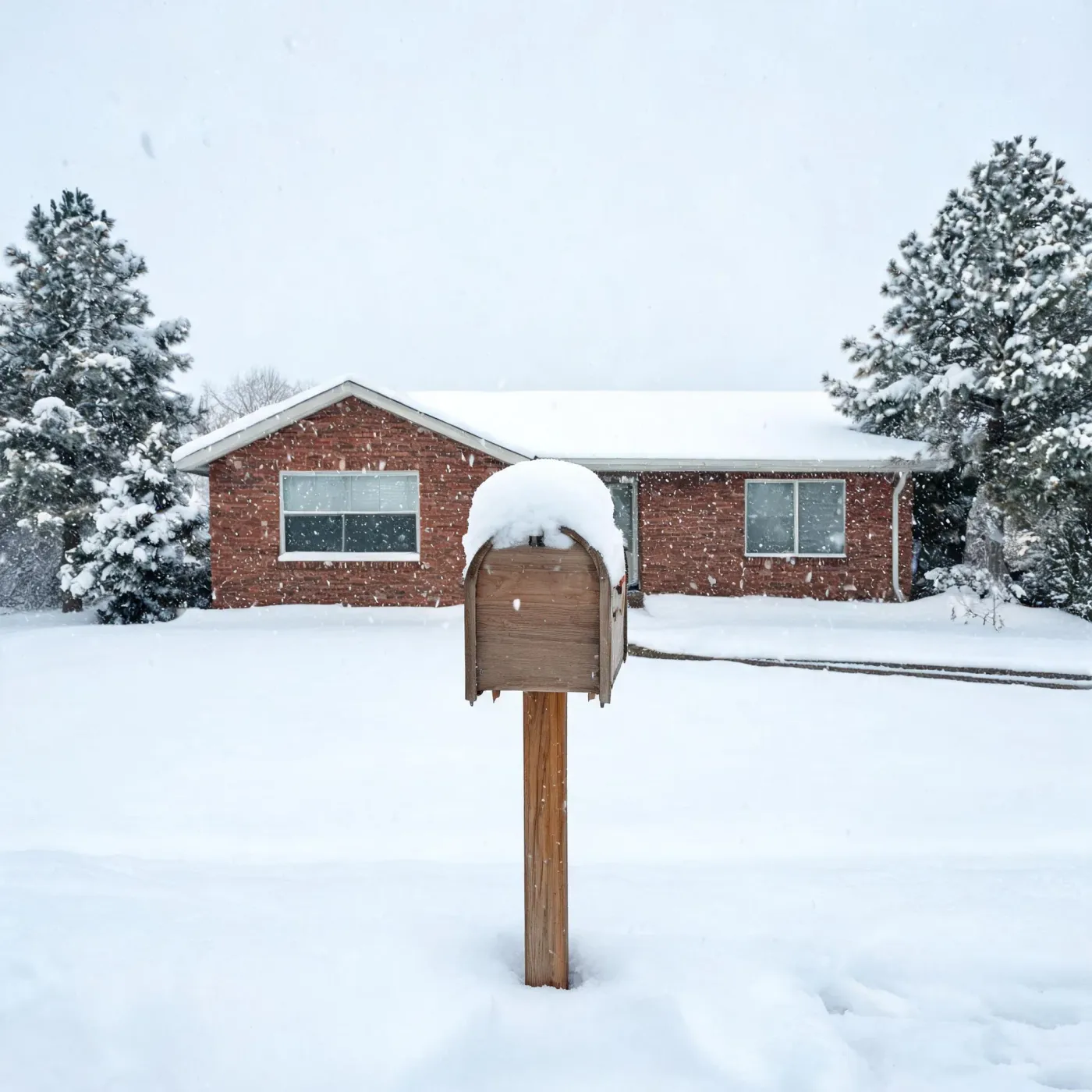
Winter nights in Dallas County average 15°F from December through February, according to NOAA climate data. That's cold enough that your heat pump is pulling almost all its heat from the backup strips or furnace, not the compressor outside. If the system is stuck in defrost or short on refrigerant, this is the stretch where you'll notice it most, cool air at the vents, the outdoor unit icing over, or the house slowly losing ground overnight even with the thermostat set normally. A heat pump working right can still struggle at 15 degrees. One that's already got a problem won't keep up at all.
NOAA nClimDiv 1991-2020
Why does my heat pump make a loud clunk when it switches modes?
You hear it most when the system shifts from heating to defrost and back, or when it kicks over to backup heat. One clunk from the outdoor unit, sometimes loud enough to notice from inside the house. It's not constant and it's not every cycle, but it happens often enough that you've started to wonder if something is wearing out or about to fail.
That clunk is the reversing valve switching direction
The reversing valve is what lets a heat pump flip between heating and cooling, and it's also what shifts the system into defrost and back. Inside it is a sliding piston that changes which way refrigerant flows, and when it moves, the pressure change can make it slam against the end of its housing. One clunk at the start of defrost and another when it ends is normal for a lot of systems. A valve that clunks on every single cycle, sounds different than it used to, or is followed by the system blowing cold air and staying that way, is worth having checked. A reversing valve that's starting to stick can eventually fail to switch at all.



A heat pump that won't heat has a reason, and it's fixable
Cold air from the vents, ice on the outdoor coil, a system that runs and runs without catching up to the thermostat. Whatever brought you here, it points to one of a few things: a defrost cycle that isn't completing, a refrigerant charge that's low, or a system simply outmatched by a 15 degree night and leaning on backup heat that isn't carrying the load. None of that is something to watch and wait on through a Dallas County winter.
Once you send the form, you're not the one tracking down who can look at it. A contractor who works on heat pumps in this area gets your information and reaches out to you. You've already done the part that takes judgment, figuring out that something's wrong. What's left is someone qualified getting back to you about it.


Get the right pro for your heat pump
Sending the form costs nothing.
A heat pump that's leaning on backup strips night after night is costing you more every day the real problem sits there. Getting it looked at now means warm air again without the power bill climbing while you wait out a cold snap.