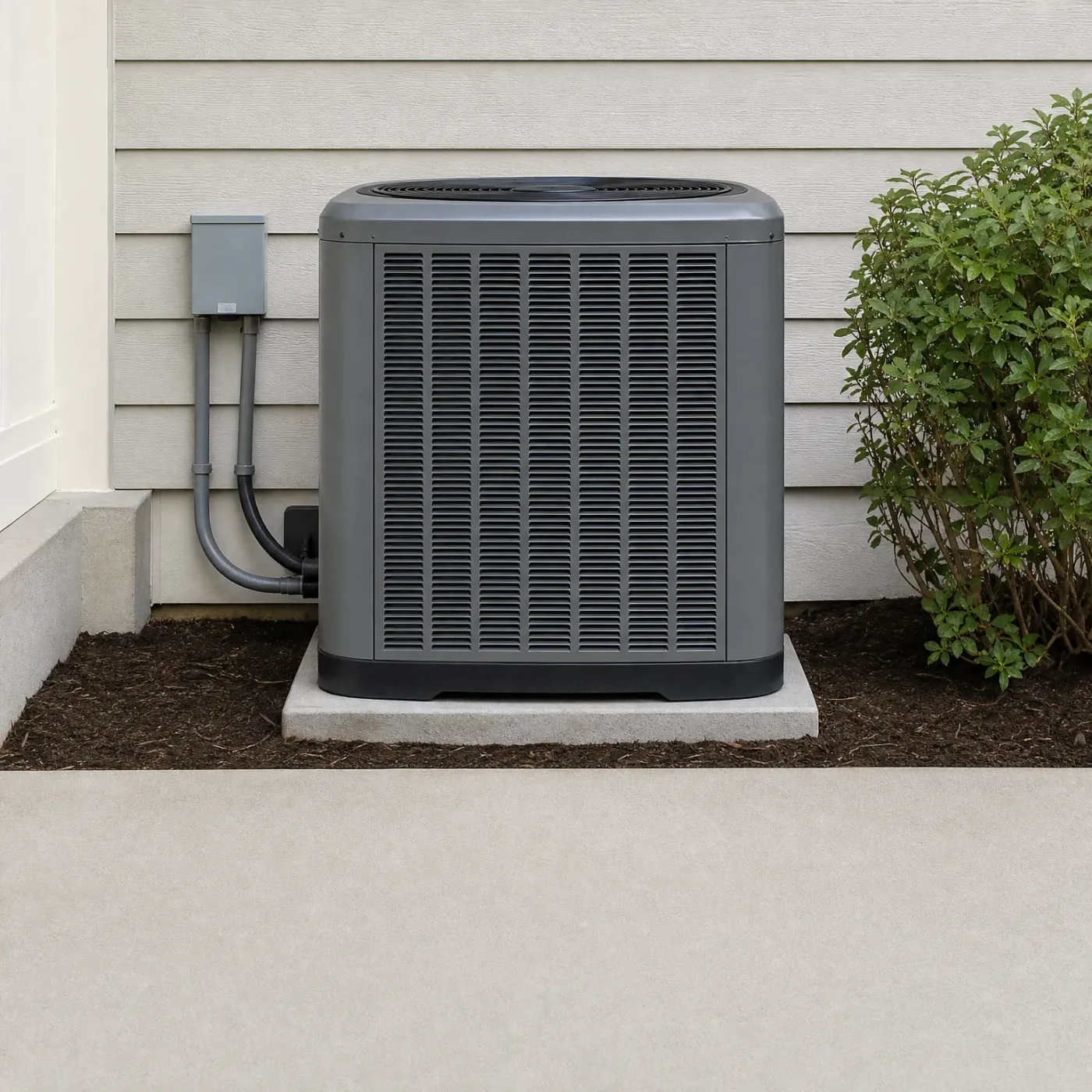
Running normal cycle
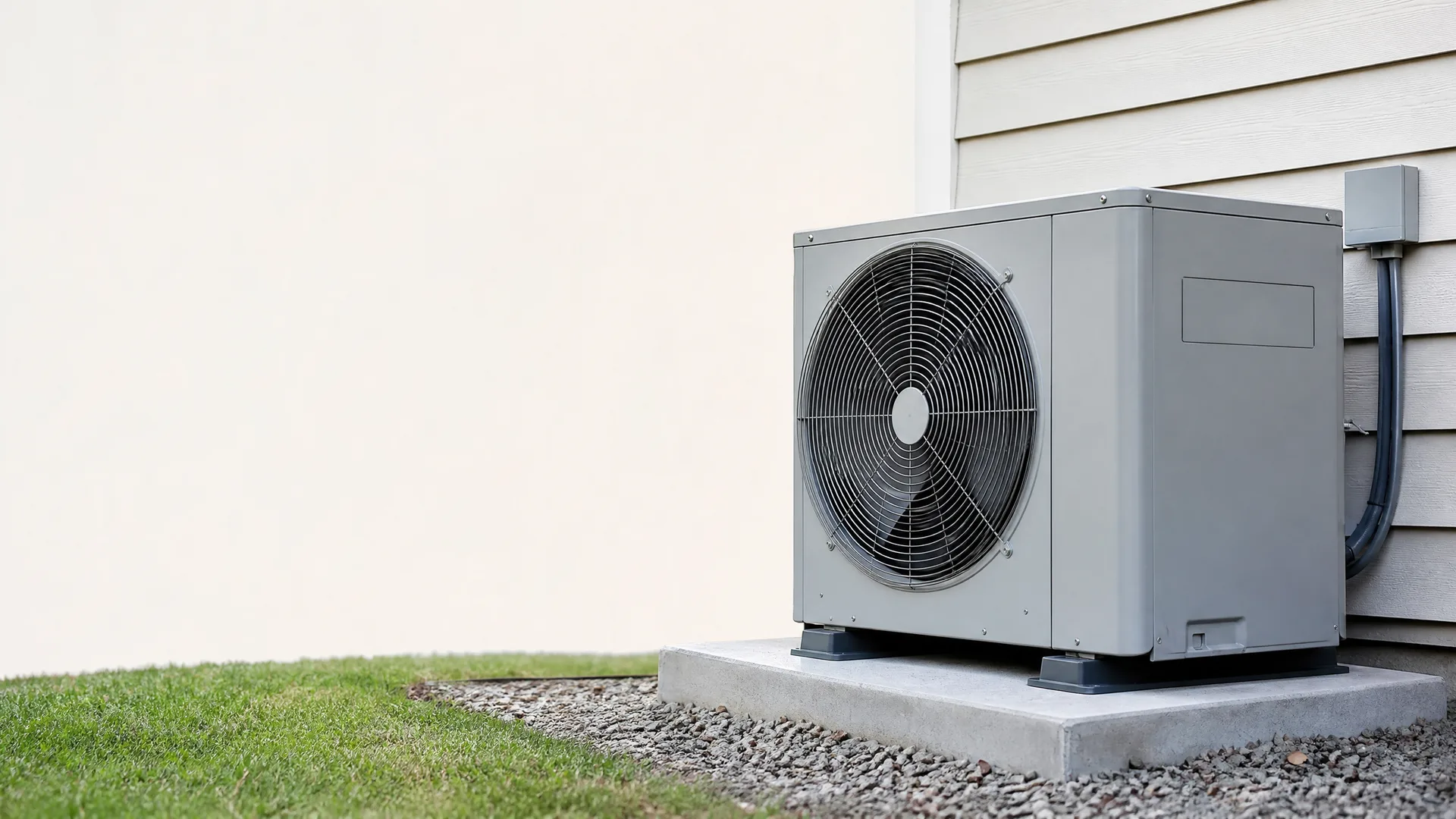
The outdoor unit hums along, the fan turns, and the coil stays clear. Heat moves into the house the way it's supposed to, without the backup kicking in. This is what you want to see most days, even when it's cold out.
Hand off the search today
Your thermostat shows a little flame or the words "emergency heat," and the heat pump outside has shut off while something else takes over. That usually means the system has decided it can't pull heat from the cold air anymore, or it thinks it can't. Here's what makes a heat pump switch to backup heat in Burlington winters, and when it signals a real problem worth having someone look at.
Let a pro reach outA heat pump switches to emergency heat on its own when something stops it from running its normal cycle, and your thermostat tells you by lighting that flame icon or the words "emergency heat". In Burlington, this usually means the outdoor unit has iced over faster than its defrost cycle can clear it, which happens on the coldest days here when the air it needs to pull heat from is working against it. It can also mean the outdoor unit has lost power, lost refrigerant, or the system's control board sees a fault and has locked out the compressor as a safety step. Emergency heat is backup, not a repair. Most homes here run it alongside gas heat, so the furnace is doing the work instead of the heat pump, and it will keep doing that, at a real cost, until whatever stopped the heat pump gets fixed.
The outdoor unit hums along, the fan turns, and the coil stays clear. Heat moves into the house the way it's supposed to, without the backup kicking in. This is what you want to see most days, even when it's cold out.
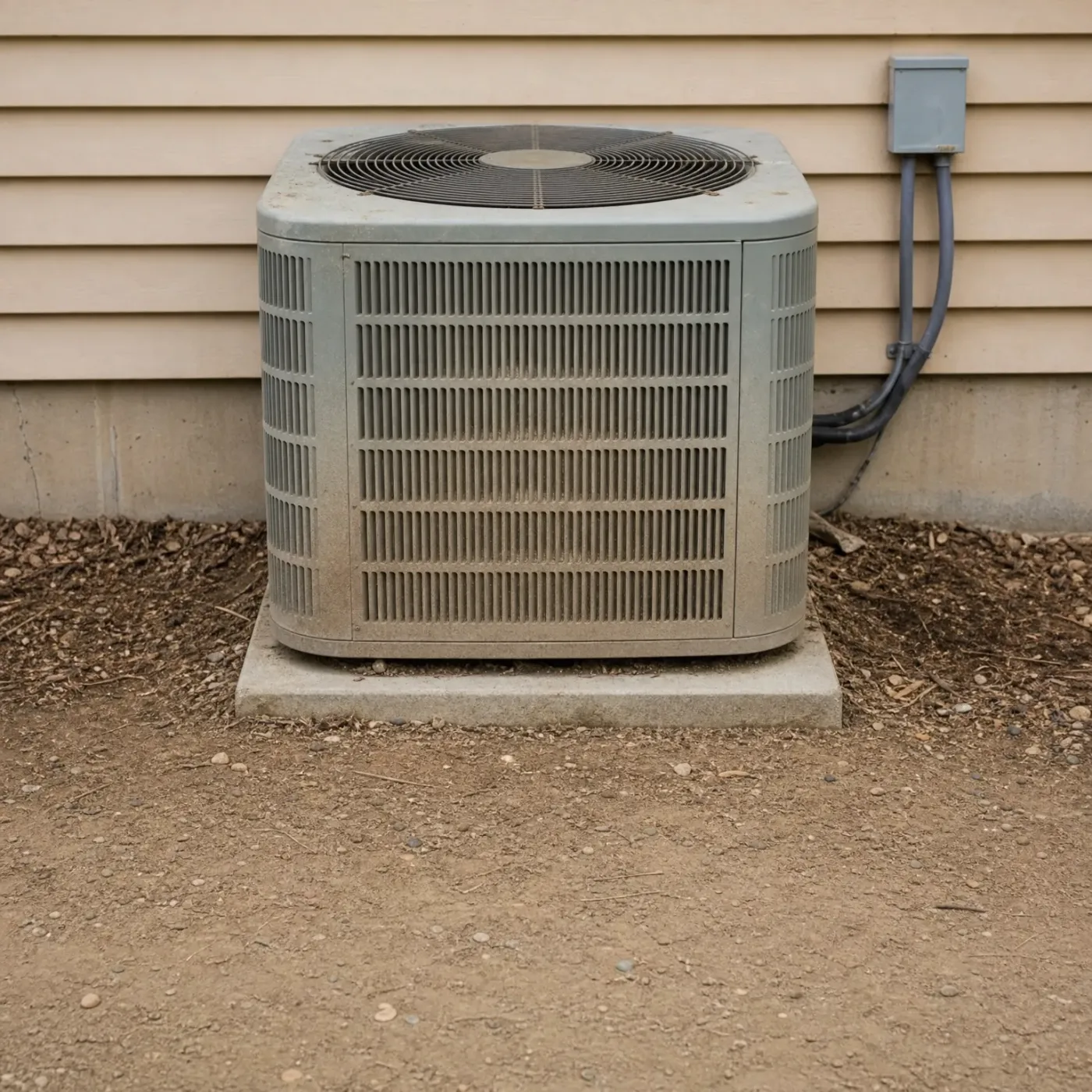
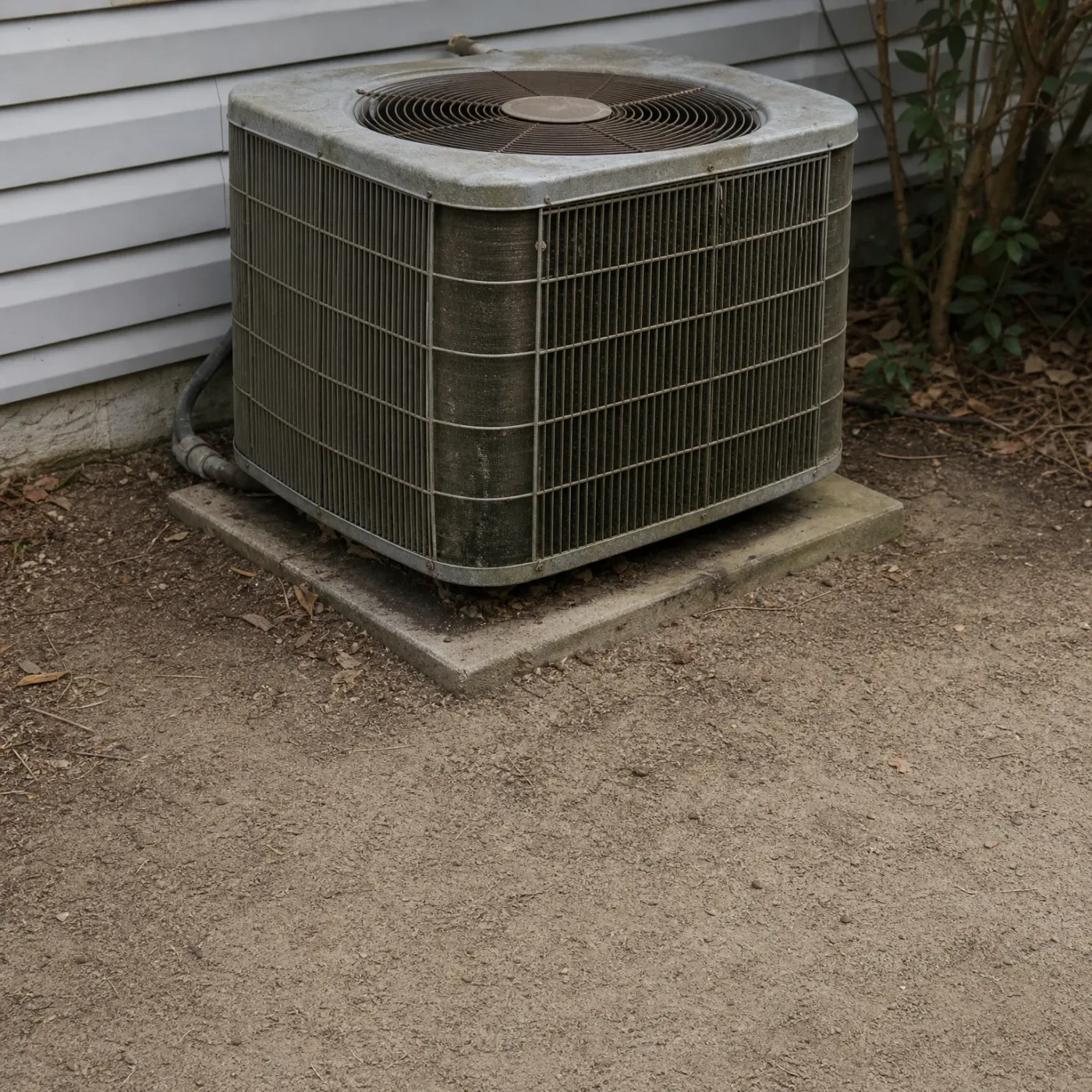
The outdoor unit sits idle or runs rough while the house heats a different way. Dust and grime on the grilles can choke airflow over the coil, and a coil that can't shed cold ice over. Once that happens, the system locks out the normal cycle until it clears.
Winter nights average 19°F
Winter nights here average 19°F, cold enough that frost builds on the outdoor coil most nights and pushes the system into defrost more often.
Heat runs October through May
Heat runs October through May here, eight months of the year the outdoor unit is working, which is eight months where a stuck defrost or failed sensor can trap it on backup.
Cooling runs June through September
Cooling only runs June through September, so the heat pump spends most of its working life on the heating side, where emergency heat actually shows up.
NOAA nClimDiv 1991-2020
Frost on the outdoor coil blocks airflow, so the heat pump pauses itself, reverses briefly, and uses heat to melt that frost off the coil. That's normal and happens on its own several times a night once temperatures sit near or below freezing. Burlington winters sit in that range for months at a stretch, so defrost cycles are frequent and short, usually just a few minutes before the system switches back. A stuck emergency heat light is a different thing from a defrost cycle. Defrost ends on its own. Emergency heat stays on because a sensor, a control board, or a reversing valve has told the system to stop trying the outdoor unit at all, not because the coil is still icy.
Emergency heat runs on electric resistance coils instead of moving heat from outside air, so it works harder to produce the same warmth. A heat pump that's actually broken outside and stuck on that backup for days will push your electric bill up fast, especially with power costs what they are in Des Moines County. That's the practical reason not to let it ride through a stuck cycle, apart from the comfort problem. The outdoor unit sitting idle while this happens is usually the clue something failed there, whether that's a defrost sensor, a control board, or the reversing valve itself, not something wrong with the furnace or the thermostat.


A heat pump that won't come off emergency heat is running on backup power, and in Des Moines County that backup is usually electric resistance heat, the most expensive way to warm a house you have. Gas heats most homes around Burlington because it's cheaper to run through a winter this long, and a heat pump stuck on its electric backup for days will show up on the next bill. The outdoor unit might just need a thaw, or the defrost control, a sensor, or the reversing valve might have failed outright. Someone who works on these systems all winter in this county has likely already seen whatever is keeping yours from switching back, because the same handful of parts tend to fail in this cold. Send the request and a local contractor licensed for this work takes it from there, so you're not the one tracking down who's free to come look while the thermostat still reads emergency heat.
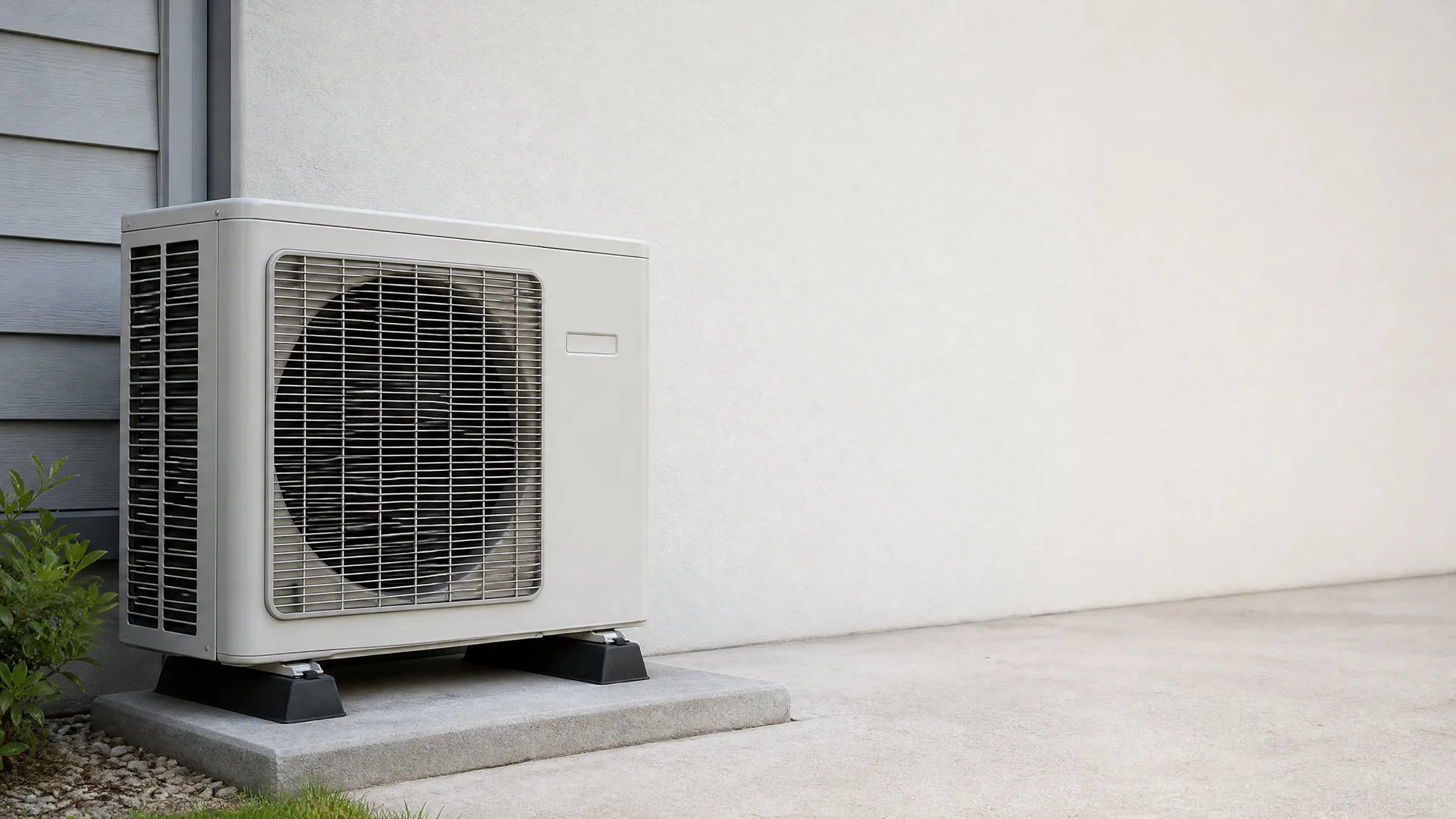
The air coming out of the vents feels different. Emergency heat still warms the house, but it runs through electric resistance elements instead of the heat pump, so the air at the register feels hotter and the system runs longer to get there. You might also hear the outdoor unit go quiet entirely, since emergency heat bypasses it on purpose. If that fan stays still for days while it's 19°F outside, the heat pump isn't doing any of the work anymore.
Electric resistance heat costs more to run than a heat pump moving the same amount of heat, and with power rates in Des Moines County already high, a week stuck on emergency heat shows up on the next bill. The longer it runs this way, the more it costs, because the backup elements are doing all the work the heat pump used to share. Most homes here lean on gas furnaces for exactly this reason. A heat pump that won't switch back is quietly running the most expensive option in the house.
A sensor or control board detects a fault and locks out the compressor.
The thermostat switches to the W terminal, cutting power to the outdoor unit.
Electric resistance elements take over heating the air.
The system stays on backup heat until a contractor clears the lockout.
At 16.62 cents per kilowatt-hour, every hour your system spends on emergency heat costs more than a normal heat pump cycle would. Electric resistance elements draw a lot of power to warm the air, so a furnace stuck on backup for days adds up fast on your next bill.
EIA-861 2025
Emergency heat is doing its job. It's just the most expensive way to do it. Once the thermostat shows that flame icon, the heat pump has locked itself out, and it stays locked out until someone finds the fault and clears it. That's not a reset you do from the thermostat. It takes a contractor checking the coil, the sensors, and the control board to find what tripped the lockout in the first place.
A contractor who services heat pumps around Burlington all winter has likely run into this same fault more than once this season. Frozen coils, failed sensors, and control board faults aren't rare here once temperatures sit near freezing most nights, and someone who works on this equipment locally knows which of those to check first instead of working through every possibility from scratch.
When you request service, the job goes to one licensed contractor, not a handful of companies bidding for your number. That means one visit to schedule, one person to talk to about what's wrong, and no sorting through competing quotes while your house runs on backup heat.
The sooner the heat pump gets back to its normal cycle, the sooner the electric resistance elements stop carrying the load. That's the whole point of the repair. Not just warm air, but warm air that isn't costing more than it should every hour it runs.
Let someone else find the pro