17°F average low
That's the kind of cold a heat pump here is pulling heat from most winter nights, which is why the compressor logs so many hours before spring.
After this form, you can stop searching for a heat pump pro.
Hand it offA heat pump in Davenport lasts about 12 to 15 years. Winters here push it hard. Below freezing, a heat pump has to pull what little heat it can from outside air, and when ice forms on the outdoor coil it has to run a defrost cycle to clear it. All that extra work, season after season, wears on the compressor faster than it would in a milder climate. Most homes around Scott County lean on gas furnaces for the coldest months, which takes some of that strain off a heat pump used mainly for shoulder-season heating and summer cooling, and that can stretch its working life toward the higher end of that range. One that's run harder, or wasn't sized right for the house, tends to fall short of it. Past 12 years, a repair bill is worth weighing against the cost of a new system before you spend much on an aging one.
Winter nights average 17°F
Winter nights average 17°F here, and that's the cold a heat pump has to pull heat out of, night after night, for months.
Heat runs October through May
Heat runs October through May here, about eight months of the year. That's most of the year your heat pump is the one working.
Cooling runs June through August
Cooling runs June through August, three months. The compressor gets a break from heating duty, but it's still working those months too.
NOAA nClimDiv 1991-2020
Run a heat pump alone through a Davenport winter and it's working near its limit on the coldest nights, leaning on backup heat to keep the house warm when the outdoor air has little heat left to give.
Pair it with a furnace and the heat pump only has to handle the milder stretches of fall and spring, with the furnace taking over once temperatures drop low. Less strain most years can mean more years out of the system.




That's the kind of cold a heat pump here is pulling heat from most winter nights, which is why the compressor logs so many hours before spring.
Every time frost builds on the outdoor coil, the system has to stop and clear it, and a long Davenport winter means a lot of those cycles.
You'll likely notice it before any part fails outright. The system runs longer to hold the same temperature, and the air coming out feels cooler than it used to, closer to room temperature instead of warm. Backup heat kicks in more often, even on nights that aren't especially cold, and that shows up on the power bill. Outside, the unit may ice up and take a while to clear, or you'll hear it cycling on and off more than it used to. If the compressor is struggling, a room or two may stay colder than the rest of the house no matter where the thermostat is set. Left alone, an aging heat pump either keeps costing more to run or quits on the coldest night of the year, when you need it most.
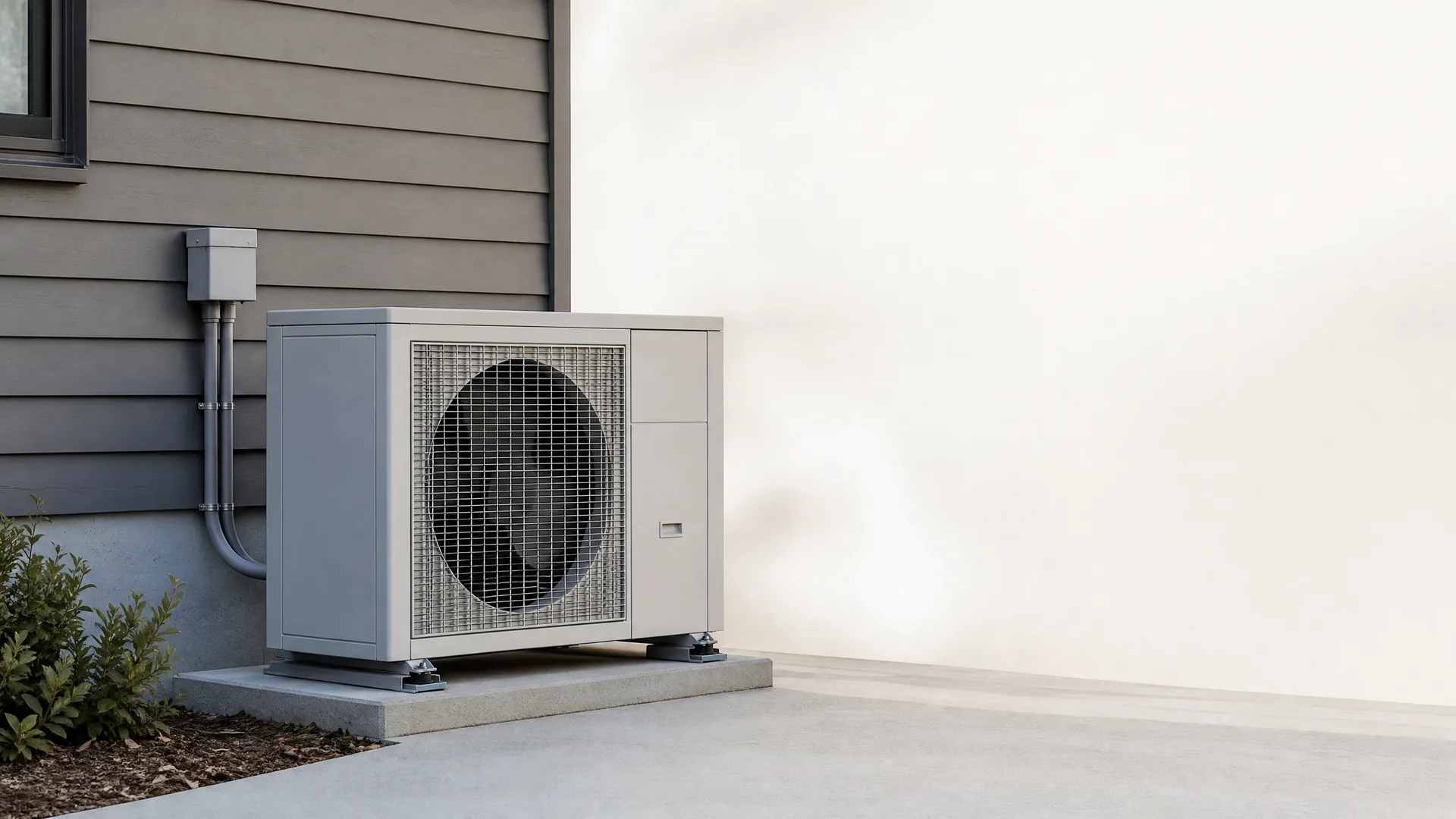
A heat pump that's holding up fine can keep going without any changes. If it's heating the house through these winters without leaning hard on backup heat, and the bills haven't crept up, there's no reason to touch it. Scott County winters are hard on a heat pump, but plenty make it to 15 years doing exactly what they were installed to do. Watching for the signs of wear matters more than acting early.
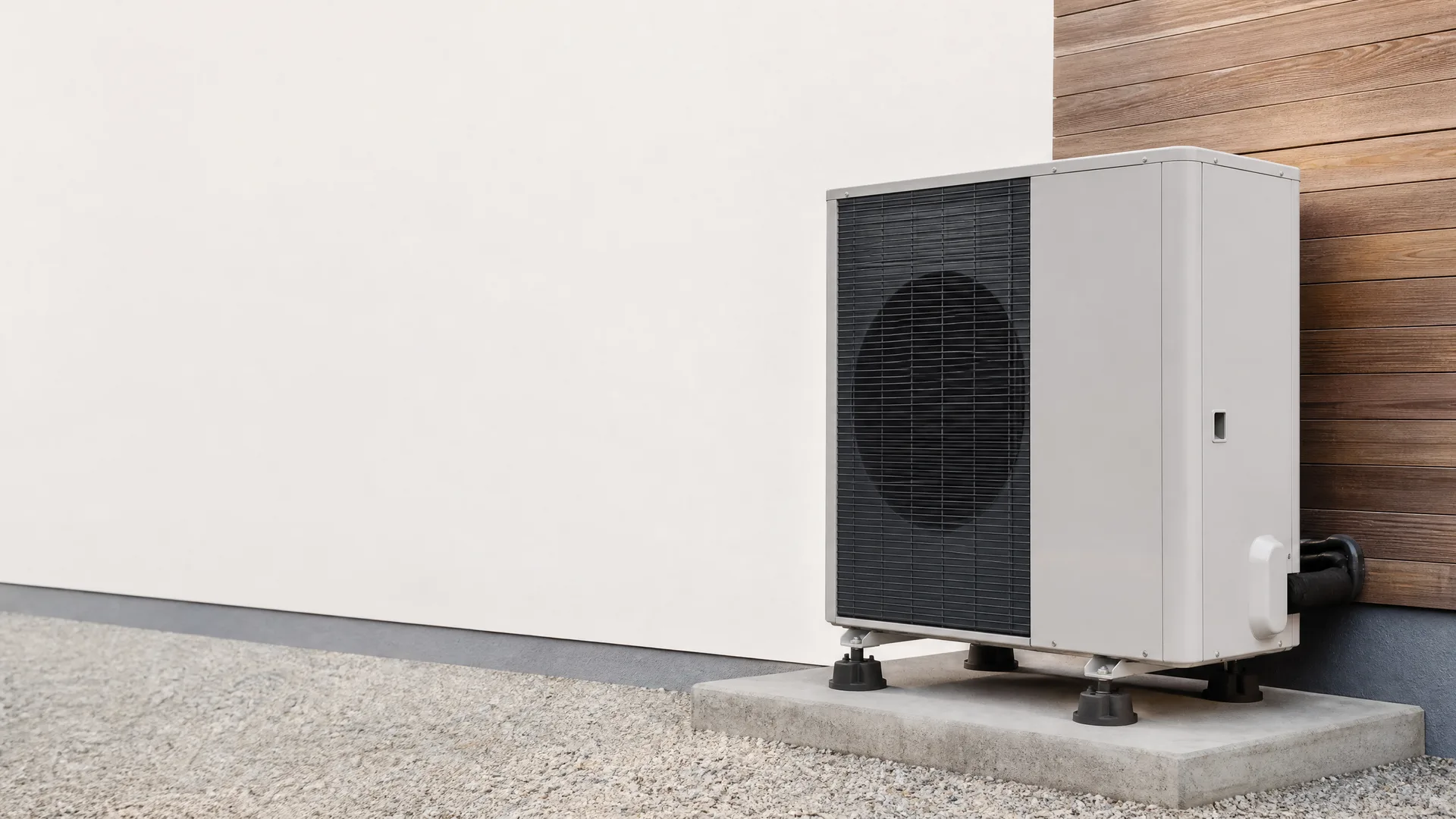
A heat pump that's struggling in a Davenport winter, running long cycles and still falling short, is worth replacing before it quits on a January night. Finding a contractor at that point means calling around, explaining the system's history more than once, and comparing quotes while the house is cold. Replacing it on your schedule, before it fails, means skipping that search entirely and having someone lined up before the next cold snap.
You've noticed the backup heat kicking on more than it used to, especially on the coldest nights, and the bill reflects it. You're wondering whether that's just how the system handles a hard Davenport winter, or whether leaning on backup heat this much is putting extra strain on the heat pump itself and wearing it down faster.
The backup heat doesn't run through the compressor, so using it more doesn't add wear to the part that fails first. It's a separate heating element, usually electric resistance coils, that kicks in when the heat pump alone can't keep the house at temperature. What it does mean is the heat pump is losing ground against the cold, likely on nights near that 17°F average low. A heat pump that needed little backup heat two winters ago and needs a lot now is pulling less of its own weight than it used to. That shift is worth paying attention to, since it usually shows up before the compressor itself gives out.
Thermostat calls for heat and the reversing valve switches modes
Outdoor coil pulls what heat it can from the cold air
Compressor presses the refrigerant to raise its temperature further
Indoor coil releases that heat into air moving through the ducts
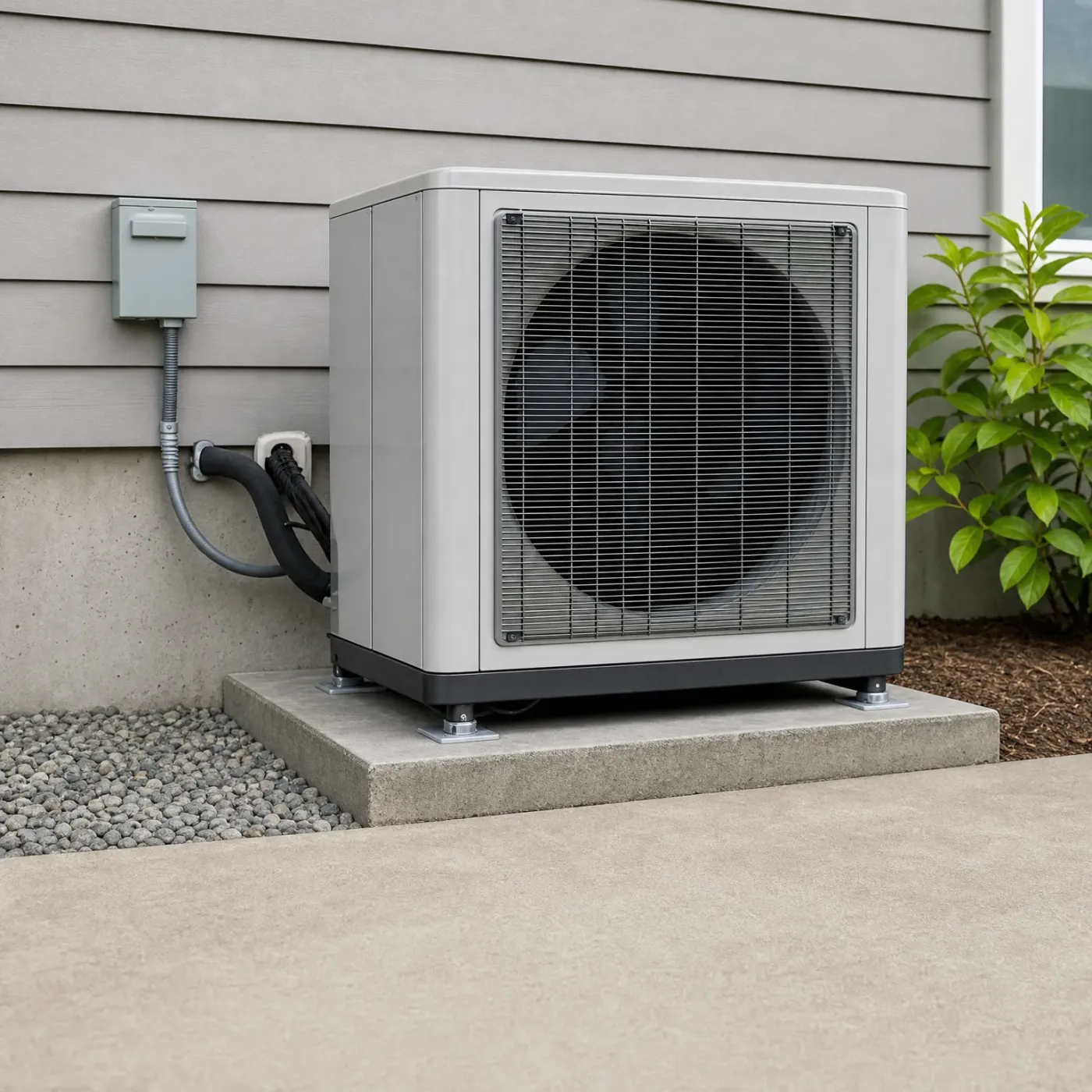


Skip the round of in-home estimates for a new heat pump.
No charge to send it. You decide if you hire them.
If the heat pump is already past 12 years and leaning hard on backup heat most winter nights, waiting through another Davenport winter means betting on a system that's already worked harder than most of its kind ever do. A failure in January leaves you without steady heat right when you need it most, and a cold snap isn't the time to start calling around for someone who can get to it. Replacing it on your schedule, not its, means picking the unit and the install date instead of taking whatever's available after it quits.
A heat pump still holding its own, heating the house without constant backup and without a bill that's climbed, doesn't need to be swapped out on a calendar. Plenty keep working fine into their teens if they've been kept up. Watching for the signs, longer run times, cooler air at the vents, backup heat kicking in earlier each winter, gives you the lead time to plan the replacement instead of reacting to a dead compressor in February. The point is knowing what to watch, not guessing when to act.
At 12.22 cents a kilowatt-hour, running the heat pump hard through a Davenport winter doesn't punish the bill the way it would somewhere with pricier power. That's worth knowing before you write it off. A system logging long hours on cold nights is still cheap to run here, even if its age means it's working for that heat.
EIA-861 2025
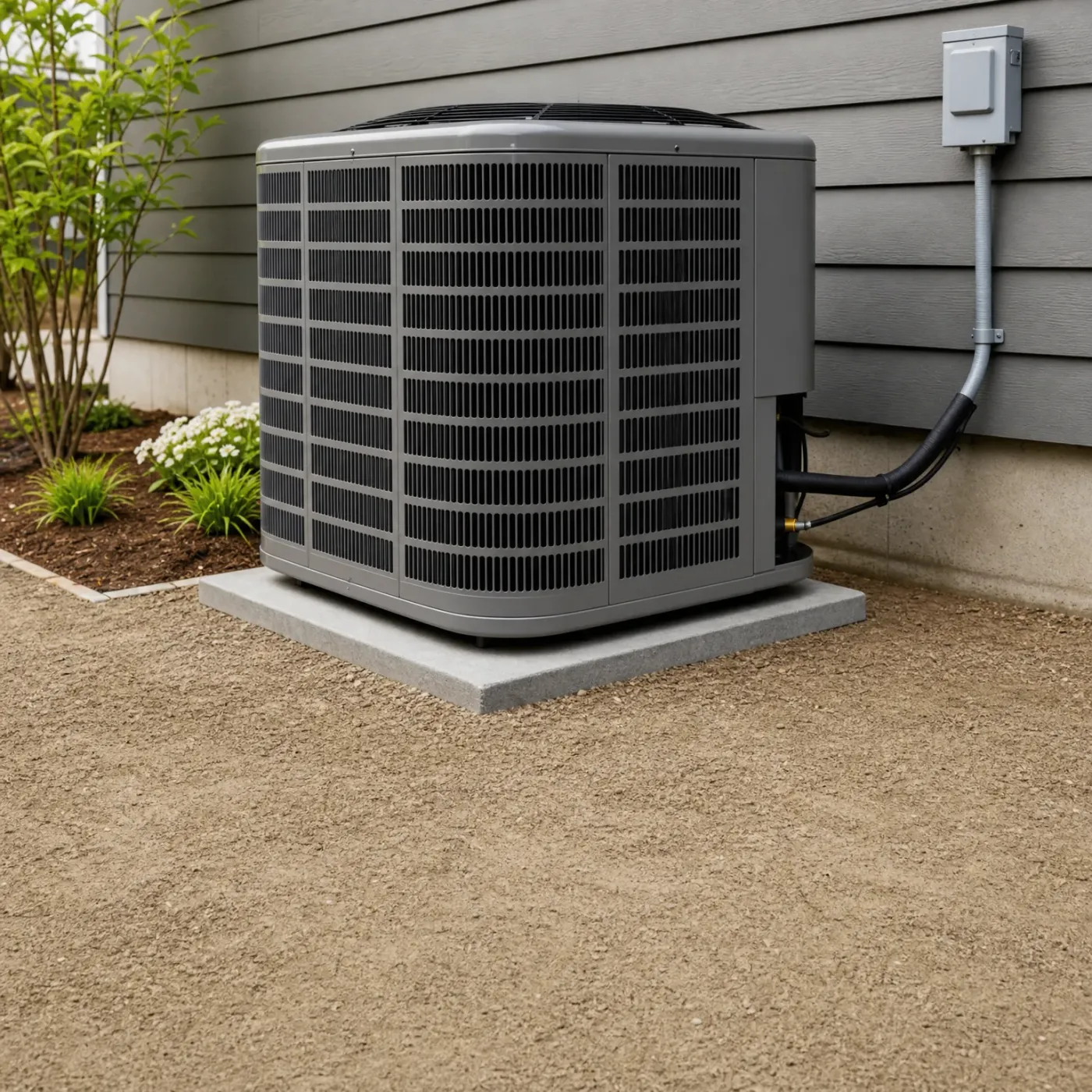
This is what good condition looks like. The fins are clean, the base is clear, and air moves through the coil the way it's built to. A unit like this pulls heat from a 17°F night without the compressor straining to make up for dirty coils underneath it.
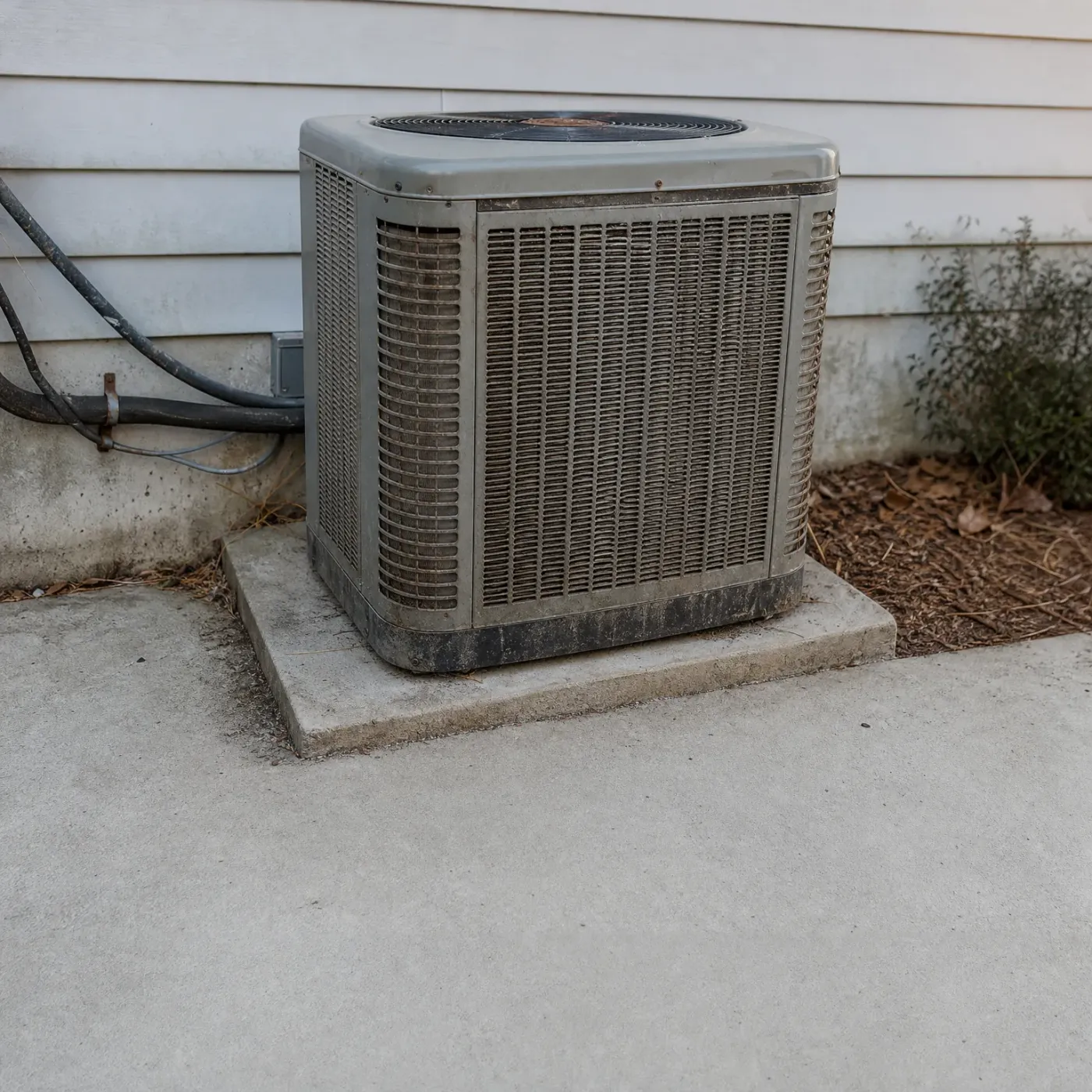
Dirt and grime like this block airflow at the coil, so the compressor runs longer to move the same heat. Utility lines nearby aren't the problem. The buildup is, and on an older unit already past its prime, it's one more reason this winter might be its last.
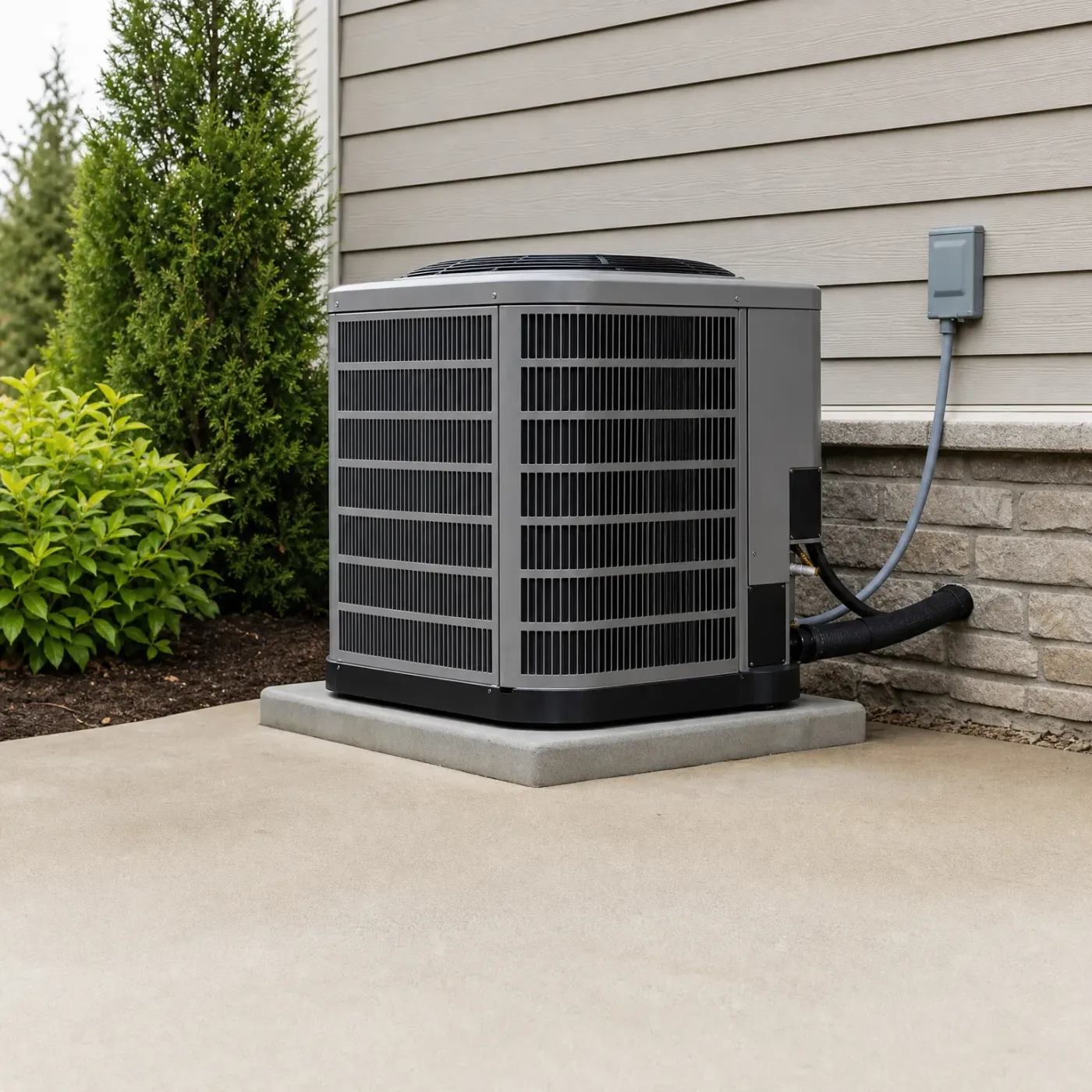
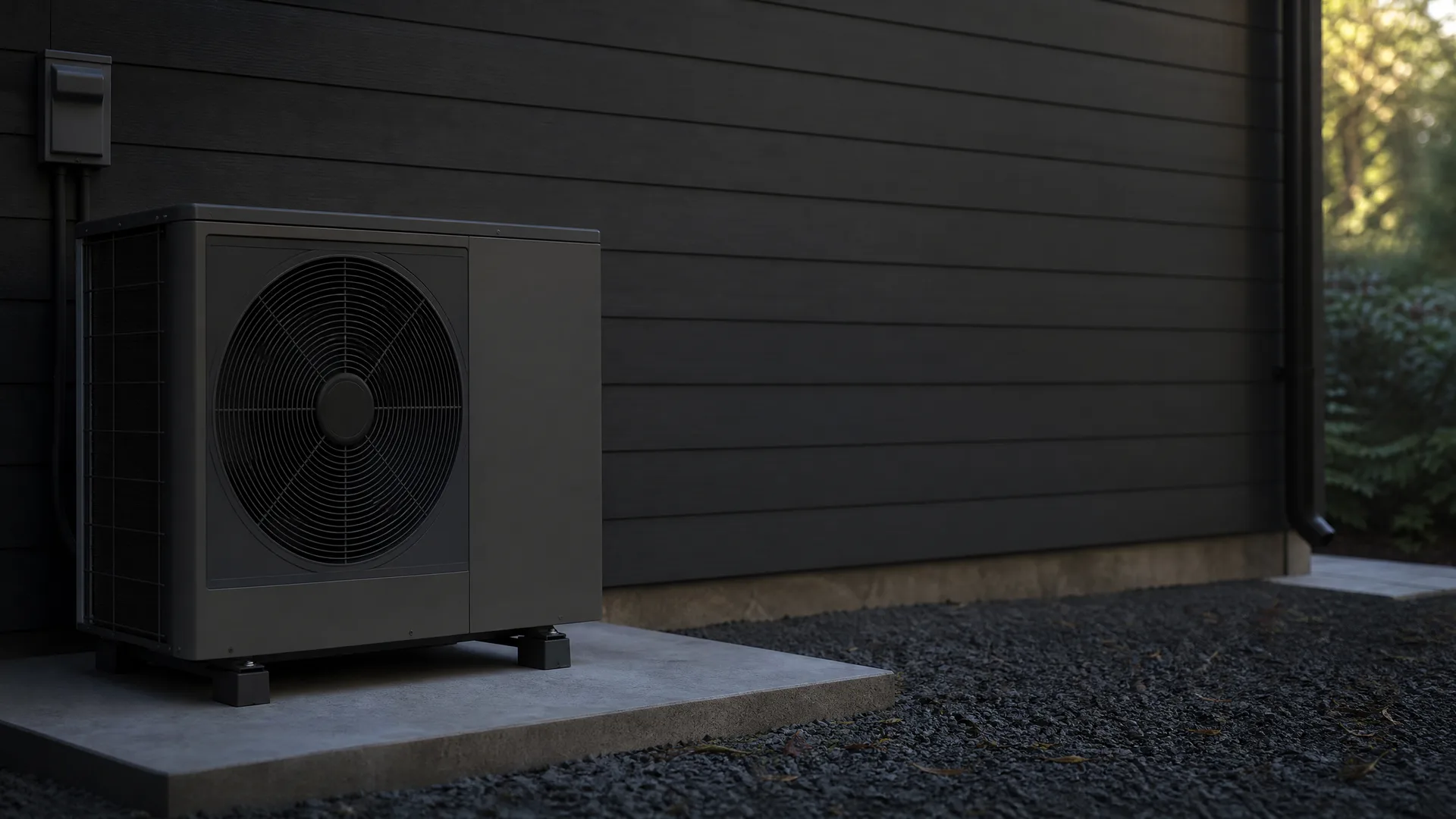
A unit like this sits quiet on the pad, lines and conduit running clean to the disconnect. It's pulling heat from the air on a 17°F night without strain, cycling on and off the way it was built to, keeping the house even.
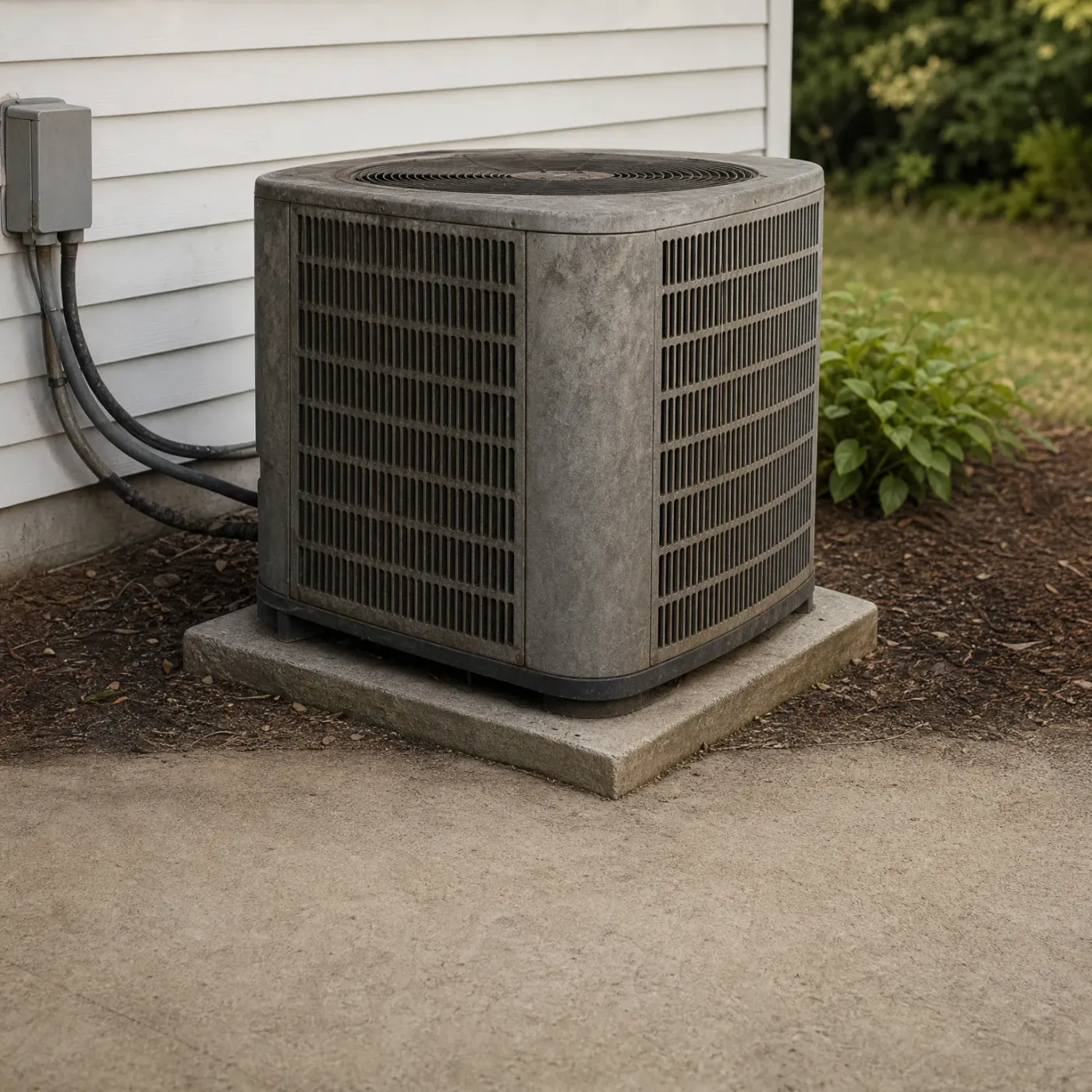
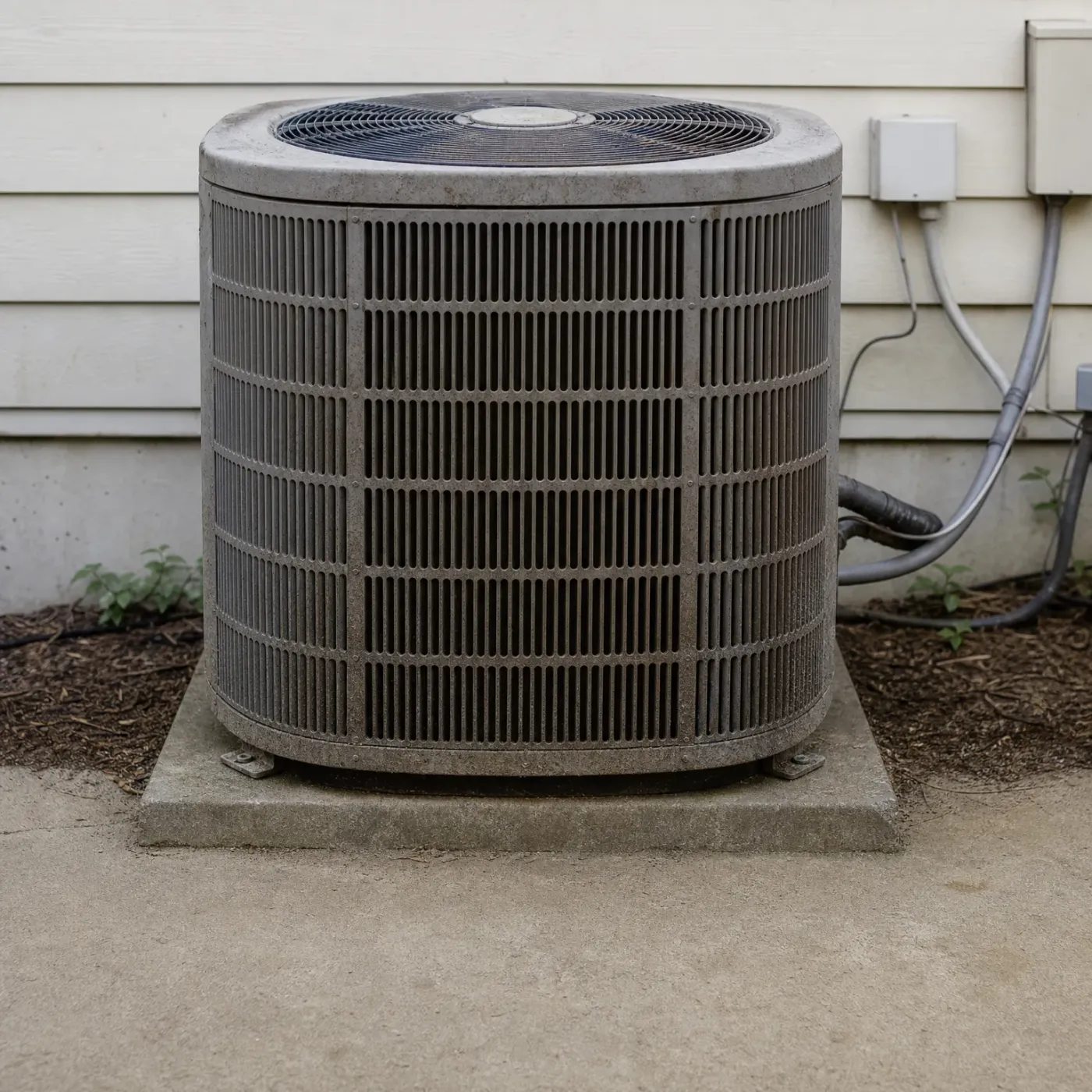
Weathered cabinet, years of frost and defrost cycles behind it. By this point it's leaning on backup heat more nights than not, running longer to hold the same temperature, closer to the end of its 12 to 15 years than the start.

A heat pump in Davenport lasts about 12 to 15 years, and a hard winter here uses up those years faster than it would somewhere milder. You know now what shortens that life and what a tired one looks like: longer run times, cooler air at the vents, backup heat kicking on more than it used to. Whether yours has a few winters left or is already past that mark, you don't have to figure out the rest alone.
Finding someone qualified to look at it means calling around, explaining the same thing to a few different companies, and sorting through quotes that don't line up. Send the form instead and that part is off your plate. You'll have someone in hand who can tell you where your system actually stands before the next cold snap settles in.

Describe the project once instead of to every installer.