
Running the way it should
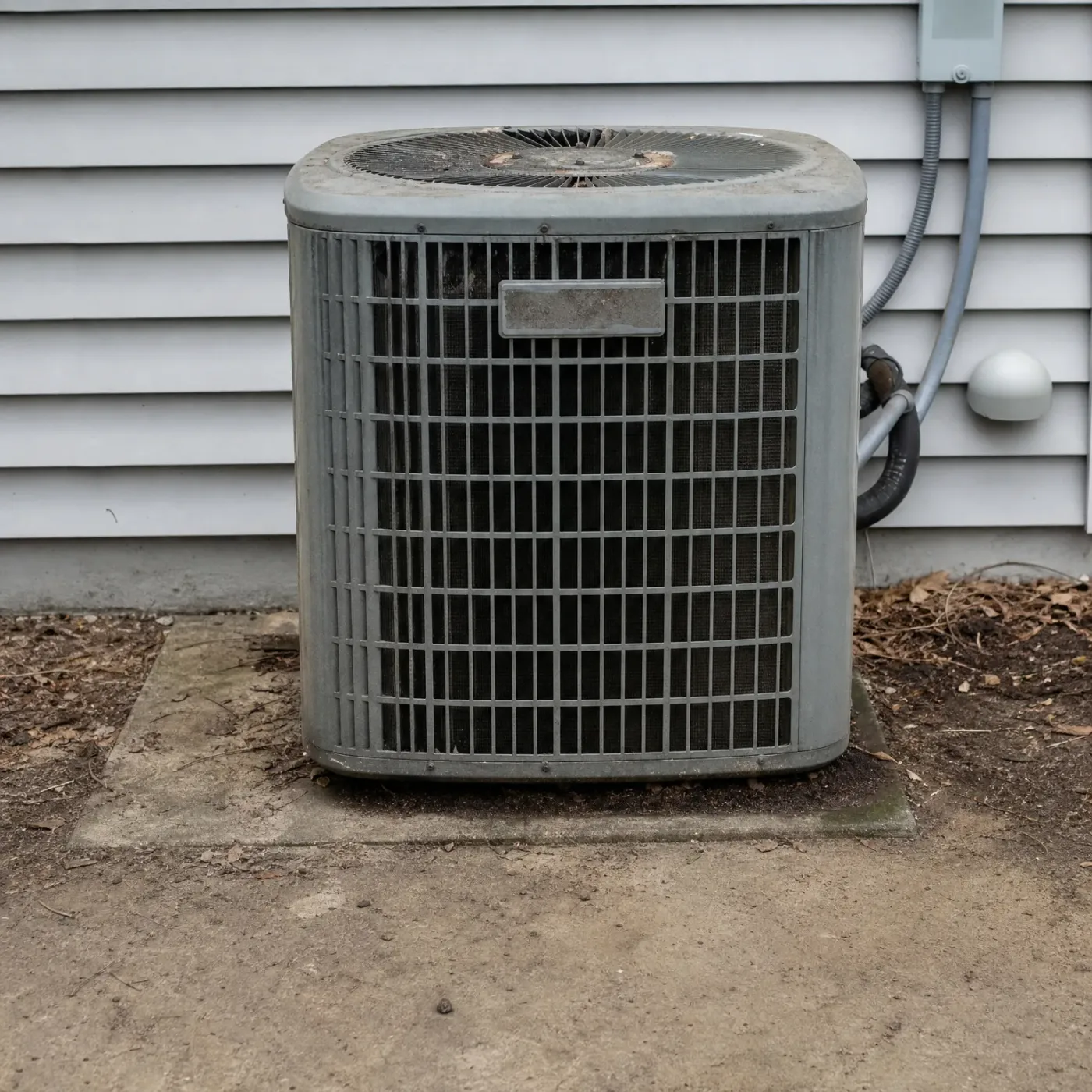
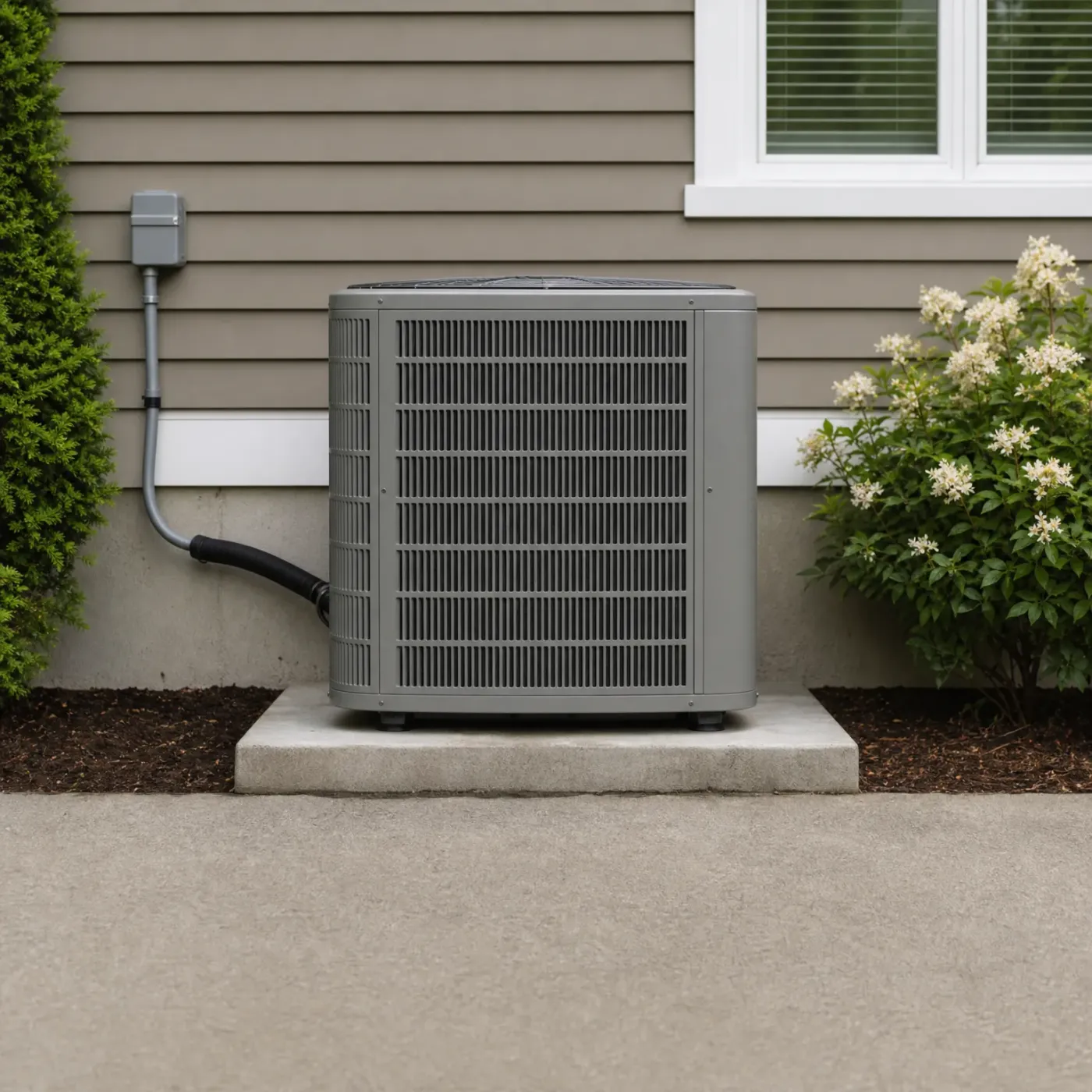
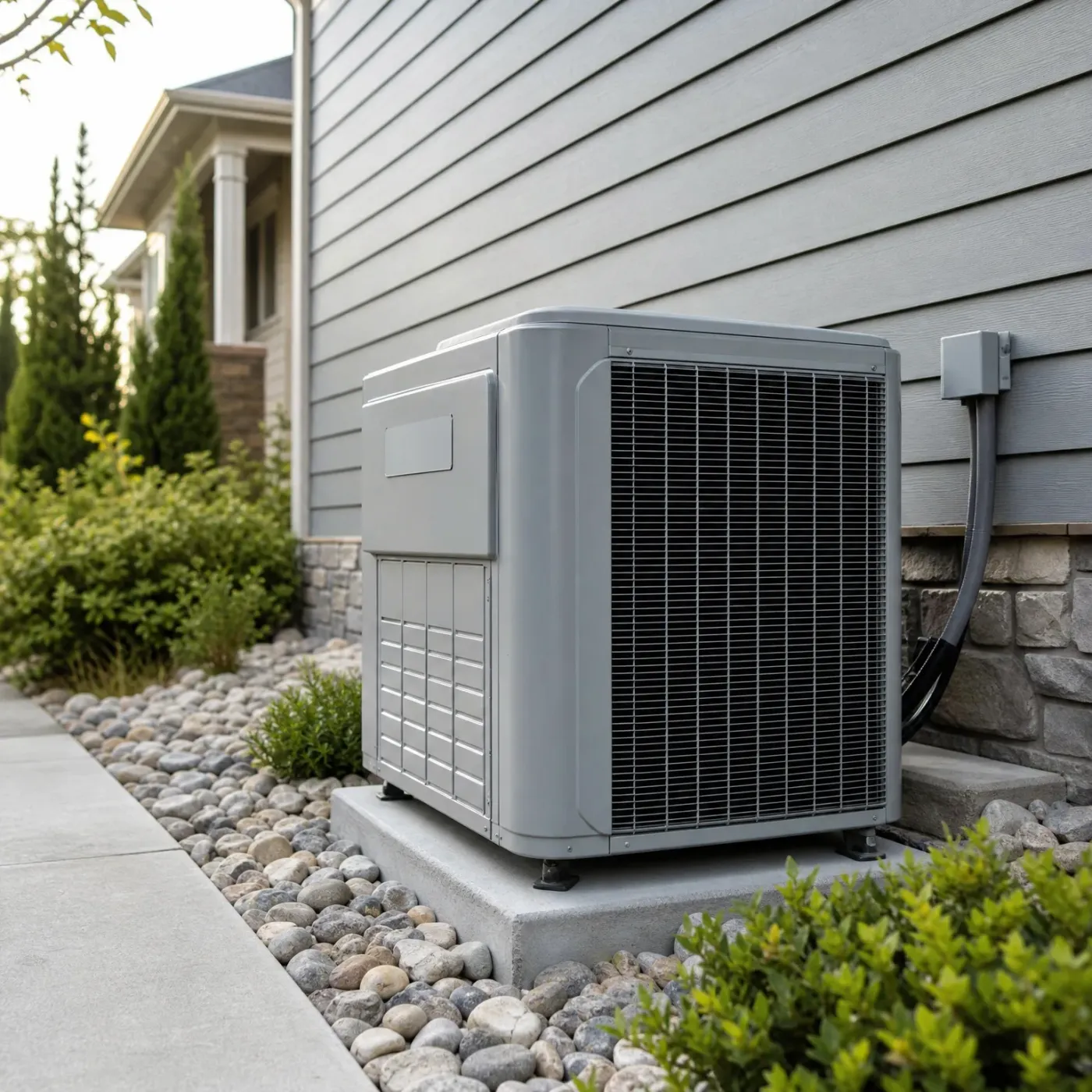
A heat pump like this one cycles on and off without strain, the fan pulling air through clean fins. Nothing pools on the pad, the lines stay wrapped, and the disconnect box sits untouched. This is what 15 years looks like.
Send the form and the search for an installer is over.
I'm done searchingA heat pump in Newton lasts about 10 to 15 years. The number lands on the low end for homes that lean on it hard. Winters here are hard, and a heat pump that carries the house on its own works to keep up once temperatures drop, putting more hours on the compressor than the same unit would see in a milder place. Most homes in Jasper County heat with gas, so a lot of heat pumps here do the cooling in summer and only share the load in the coldest months, which eases the wear and tends to push them toward the longer end of that range. What ages a heat pump fastest is ice: a unit that cycles into defrost over and over through a hard winter is working harder than its rated life assumes. If yours is approaching 10 years, it's worth having someone look at it before a cold snap finds out its condition for you.
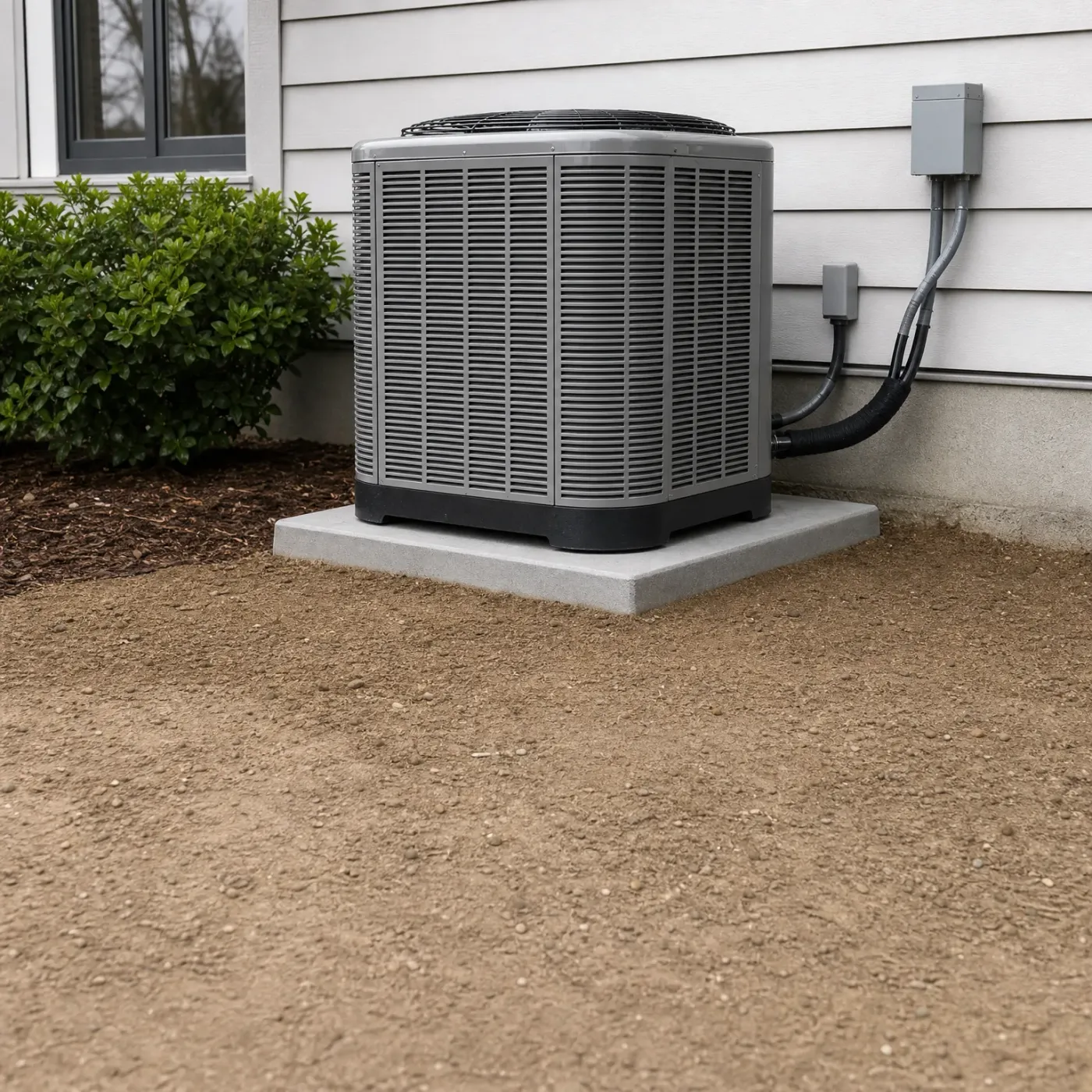
A heat pump like this one cycles on and off without strain, the fan pulling air through clean fins. Nothing pools on the pad, the lines stay wrapped, and the disconnect box sits untouched. This is what 15 years looks like.
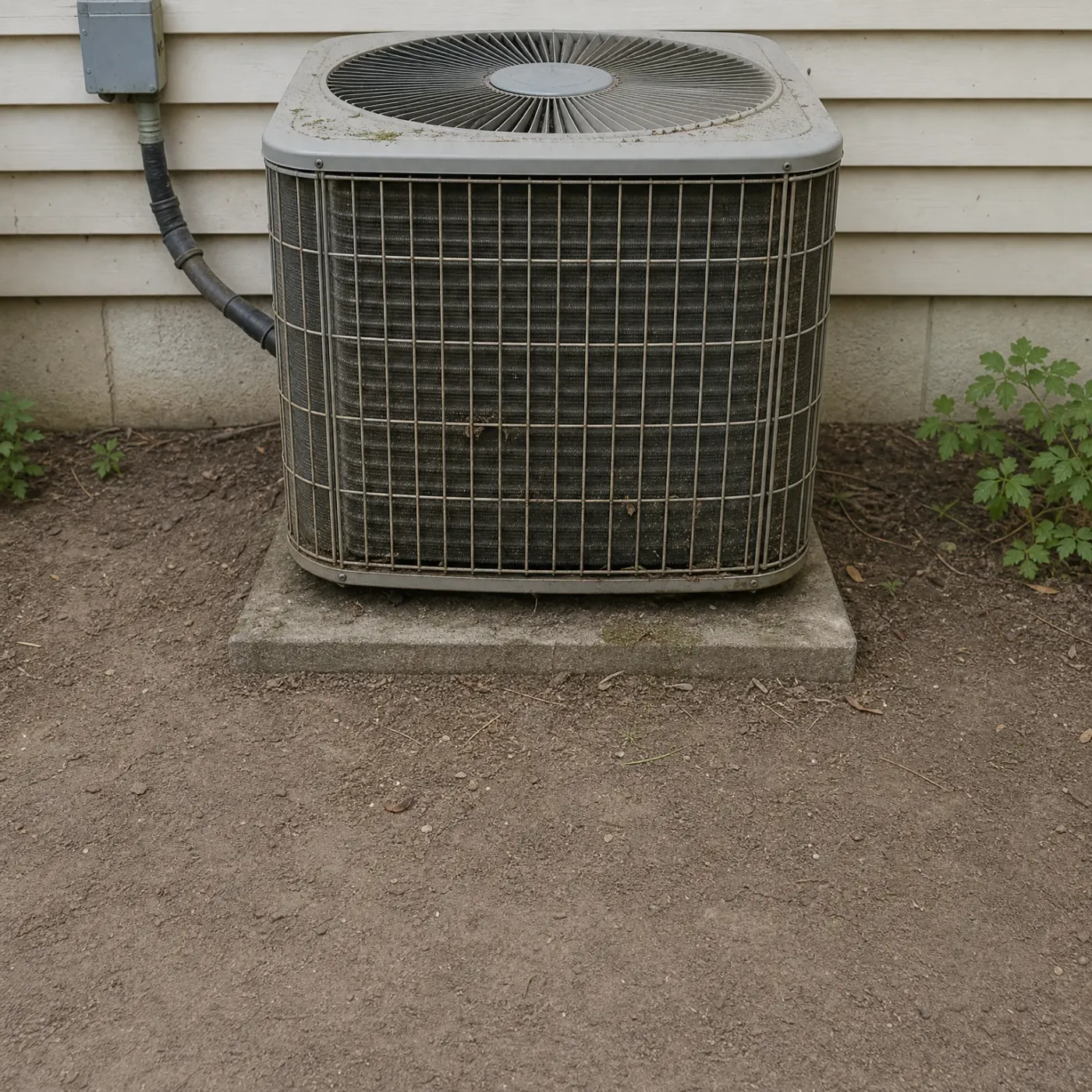
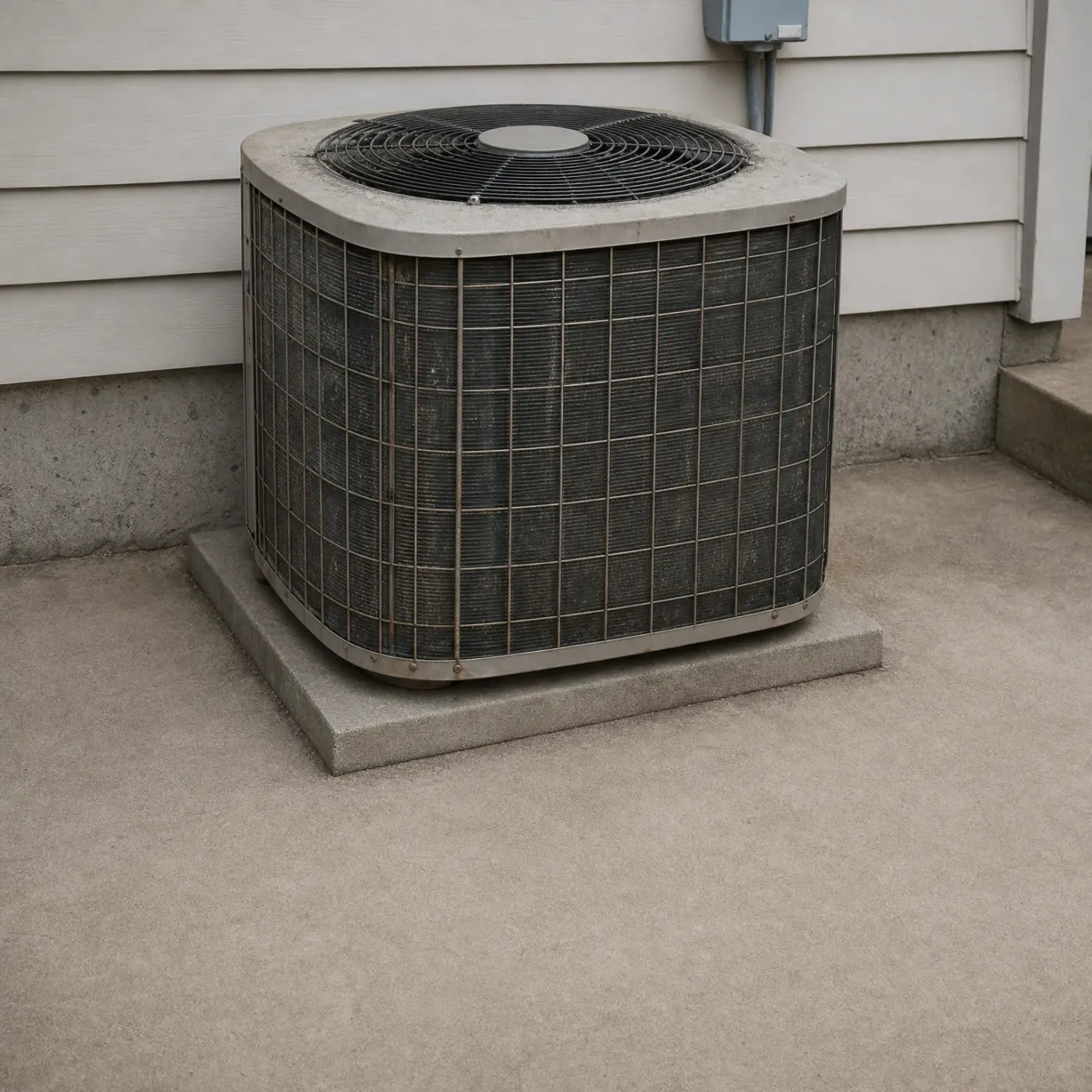
Dust and buildup across the coil make the unit work harder to pull heat from the air in January or push it out in July. Left alone through enough summers in Jasper County, that strain is what pulls a system toward the 10-year end instead of the 15.
You might notice it running longer than it used to, especially once Jasper County temperatures drop into the teens and twenties. Maybe the air coming out feels cooler than it should, or the unit outside runs almost constantly without the house ever quite catching up. You might hear a clicking before it starts, or a rattle from the fan that wasn't there last winter. Frost building up on the coil and staying there is another sign, along with a disconnect box or wiring that looks worn when you walk past it. Left alone, a struggling heat pump can mean higher bills all winter, and if it fails on a cold night, you're left relying on backup heat until it's fixed.




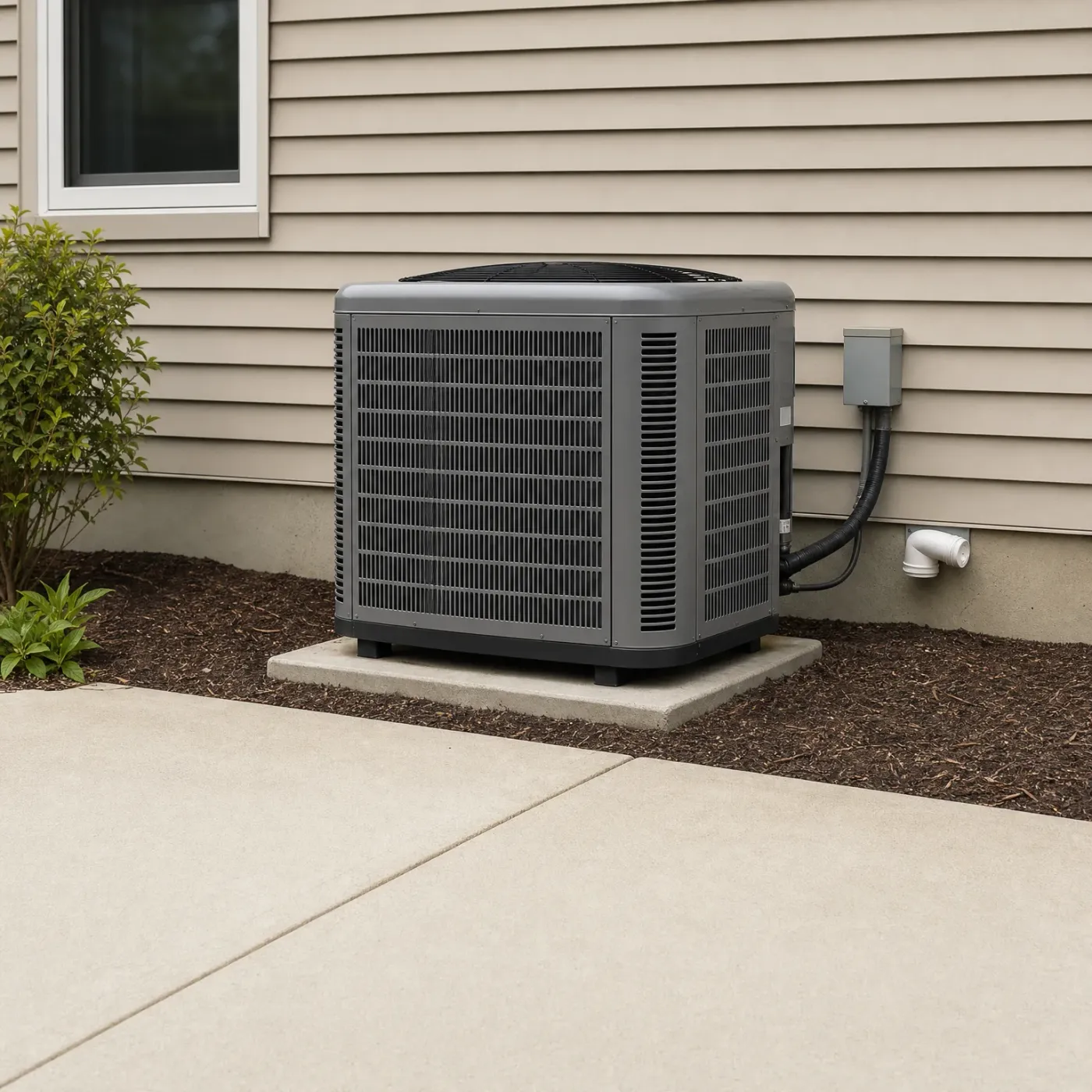
A heat pump does not make heat the way a furnace burner does. It moves heat from one place to another, pulling warmth out of outside air in January and pushing it back outside in July. That means the compressor is working almost every month of the year, not just through the hard part of winter. Inside it, a reversing valve is what switches the refrigerant between those two jobs, and it switches often. When outdoor temperatures drop below freezing, the outdoor coil picks up frost, and the unit has to run a defrost cycle to clear it, briefly reversing itself again and sending heat outdoors instead of in. In Jasper County's coldest stretches, cold air holds less heat to pull from, so the compressor has to work harder to get the same result, and it runs closer to its limit the longer a cold snap holds. All of that happens on a unit that sits outside all year, where leaves, grass clippings and ice can build up around the coil and fan and force the motor to push against more resistance than it should. Most homes around Newton pair the heat pump with a gas furnace, and that pairing matters here. When the temperature drops far enough, the furnace takes over and the compressor gets to rest instead of carrying the whole house through the worst of winter. That backup is part of why some units here hold up longer than the number alone suggests.
Winter nights average 16°F
Winter nights averaging 16°F mean the compressor runs hard to pull heat from air that cold, and that strain adds up over the years.
Heat runs October through May
Eight months of heat a year, October through May, is more run time than most parts of the country ask of a heat pump.
Cooling runs June through August
Three months of cooling, June through August, puts far fewer hours on the system than the long heating stretch does.
NOAA nClimDiv 1991-2020
The thermostat calls, and the reversing valve sets flow direction.
The compressor squeezes refrigerant into a hot, high-pressure gas.
Outside, that gas gives up heat to the cold air.
Inside, the indoor coil releases heat as the fan pushes it through the ducts.
At 13.79 cents per kilowatt-hour, power here runs close to the national average, so a heat pump that's losing efficiency shows up on the bill before most people notice the change in comfort. A compressor working harder to hit the same temperature pulls more power the whole time it runs.
EIA-861 2025
A heat pump that's aged out still runs. It just costs more to run, keeps the house less comfortable, and gets closer to the day it quits for good on the coldest morning of the year.
Replacing it before that happens means picking the timing yourself, instead of finding a contractor the same week a hard freeze hits and everyone else in Jasper County is calling too.
Skip collecting and comparing quotes for the new heat pump.
Send the request and finding a pro stops being your problem.
It costs nothing to send, and you don't have to hire anyone.


You keep paying for parts and labor on a unit that's already past the point most heat pumps in Jasper County make it to, and the next cold snap is the one that finds the part that can't be fixed.
You put in a new heat pump on your schedule, not in January at 16°F with no heat, and skip the search for who can even get to you that day.
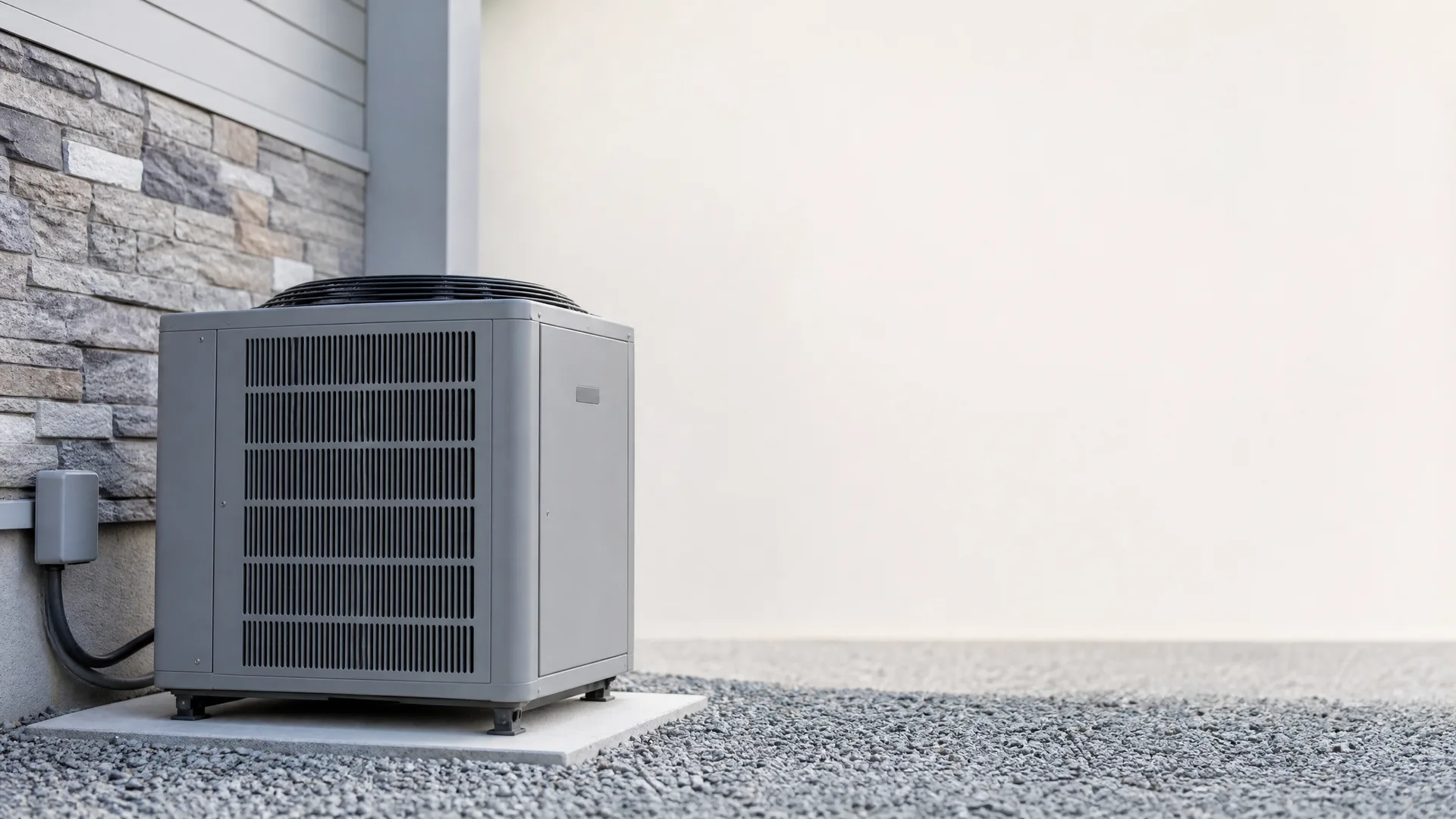
You keep an eye on the thermostat, run it a little longer to make up for what it's losing, and hope it holds until spring. Some mornings it keeps up fine. Other mornings, with Jasper County down in the teens, it struggles to close the gap, and the house never quite feels right. You're managing an old unit instead of heating a house.
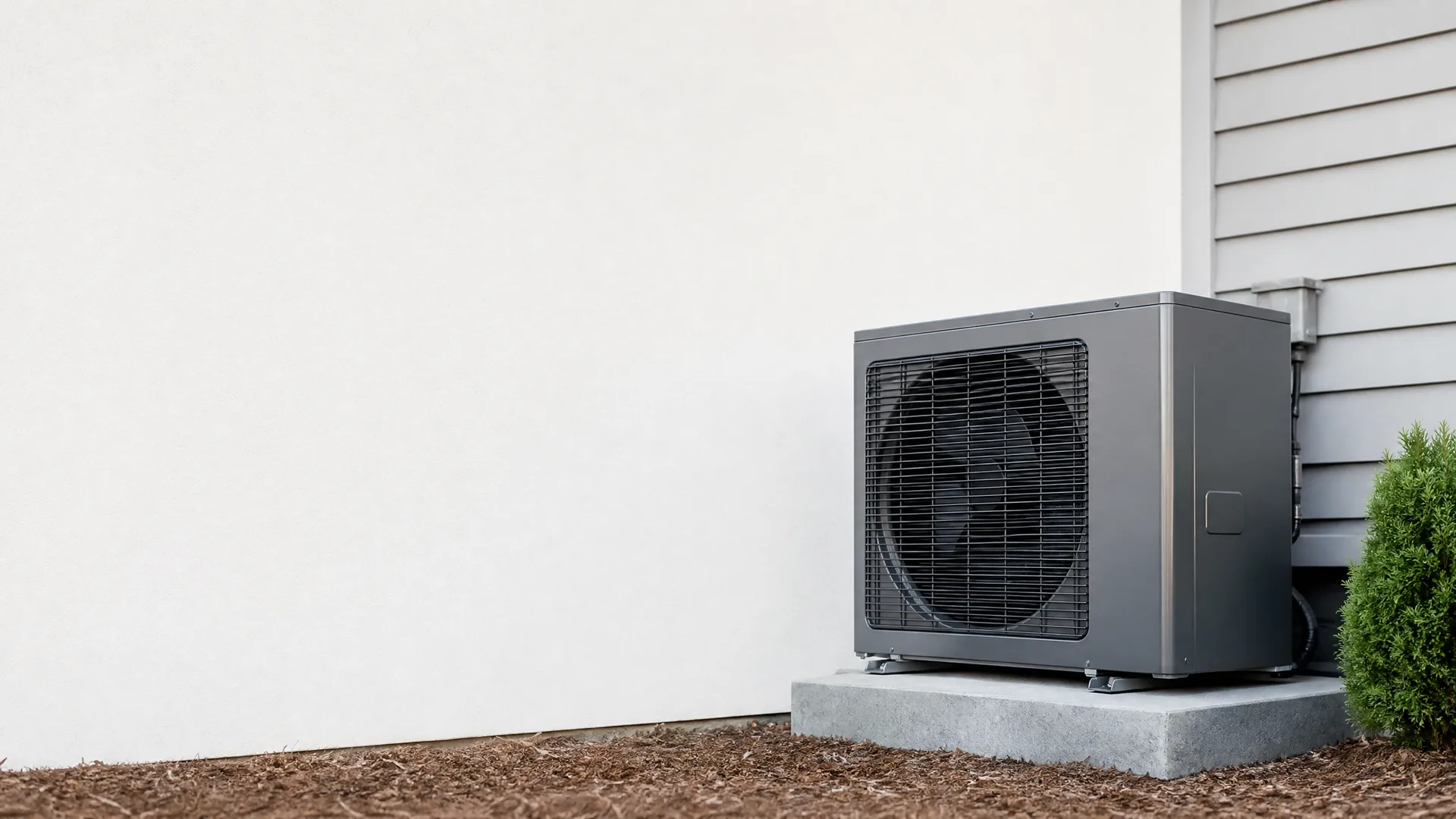
You send one form instead of searching for contractors, calling around, and explaining the same problem to three different companies. Someone who installs heat pumps for a living takes it from there. You stop tracking whether tonight is the night it finally gives out, and you stop being the one who has to figure out who to call.

A heat pump in Newton holds up for about 10 to 15 years, less if it's been carrying a hard winter on its own, longer if it's been kept clean and clear. Where yours falls depends on what you've seen: longer cycles, cooler air, a unit outside that barely shuts off. You know by now which end of that range you're on.
If it's closer to the end, the part that takes the time isn't the install, it's finding someone to do it right. That usually means calling around, explaining the same problem to every contractor who picks up, and sorting through quotes that are hard to compare. Send the form here and that part is done. You'll have someone to talk to about your actual unit instead of a list of names to work through on your own.


It's off your list after this