








How long a heat pump should run in an Iowa winter

Fill out one form instead of calling around for a heat pump tune-up.

Skip the calls

How long should my heat pump run during an Iowa winter?

Iowa winters push a heat pump hard, and if yours seems to run constantly once temperatures drop, it's fair to wonder if something's wrong. Most homes here lean on gas furnaces for heat, so a heat pump running long stretches can feel unusual if you're used to a furnace cycling on and off. You want to know what's normal before you decide whether to have someone look at it.

Long run times are normal once it gets cold

A heat pump moves heat from outside air into your house, and the colder it is outside, the less heat there is to move. Below freezing, it has to run longer, sometimes most of the day, just to hold the temperature you set. That's how the equipment is built to work. It doesn't mean it's struggling or wearing out faster. What matters is whether it's actually keeping your house at the temperature you want. If it's running all day and the house still feels cold, or you notice it running in short bursts instead of long steady stretches, that's worth having a contractor check. Otherwise, long runtimes on a cold Iowa day are just the heat pump doing its job.

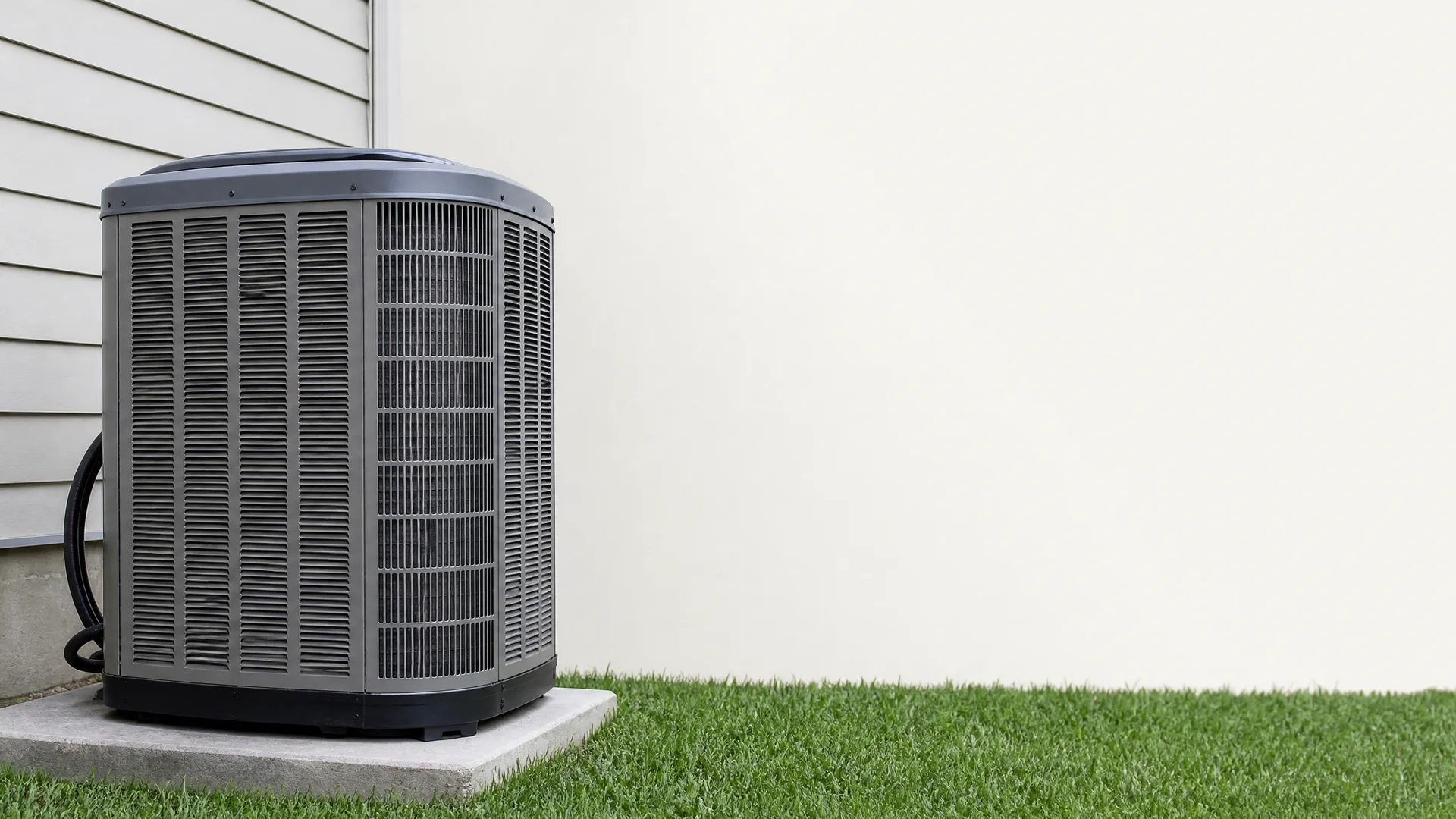
A gray outdoor air conditioning condenser unit on a concrete pad beside a house with horizontal siding, next to a green lawn and a plain light-colored wall.

Why long run times are normal

A heat pump moves heat instead of burning fuel for it, so in cold air it has less heat to pull from and has to run longer to keep up. Below freezing, it may run most of the hour instead of cycling on and off like a furnace does. That's the machine working the way it's built to work. Short bursts followed by long quiet stretches would actually be the odd pattern for a heat pump once an Iowa cold snap sets in.

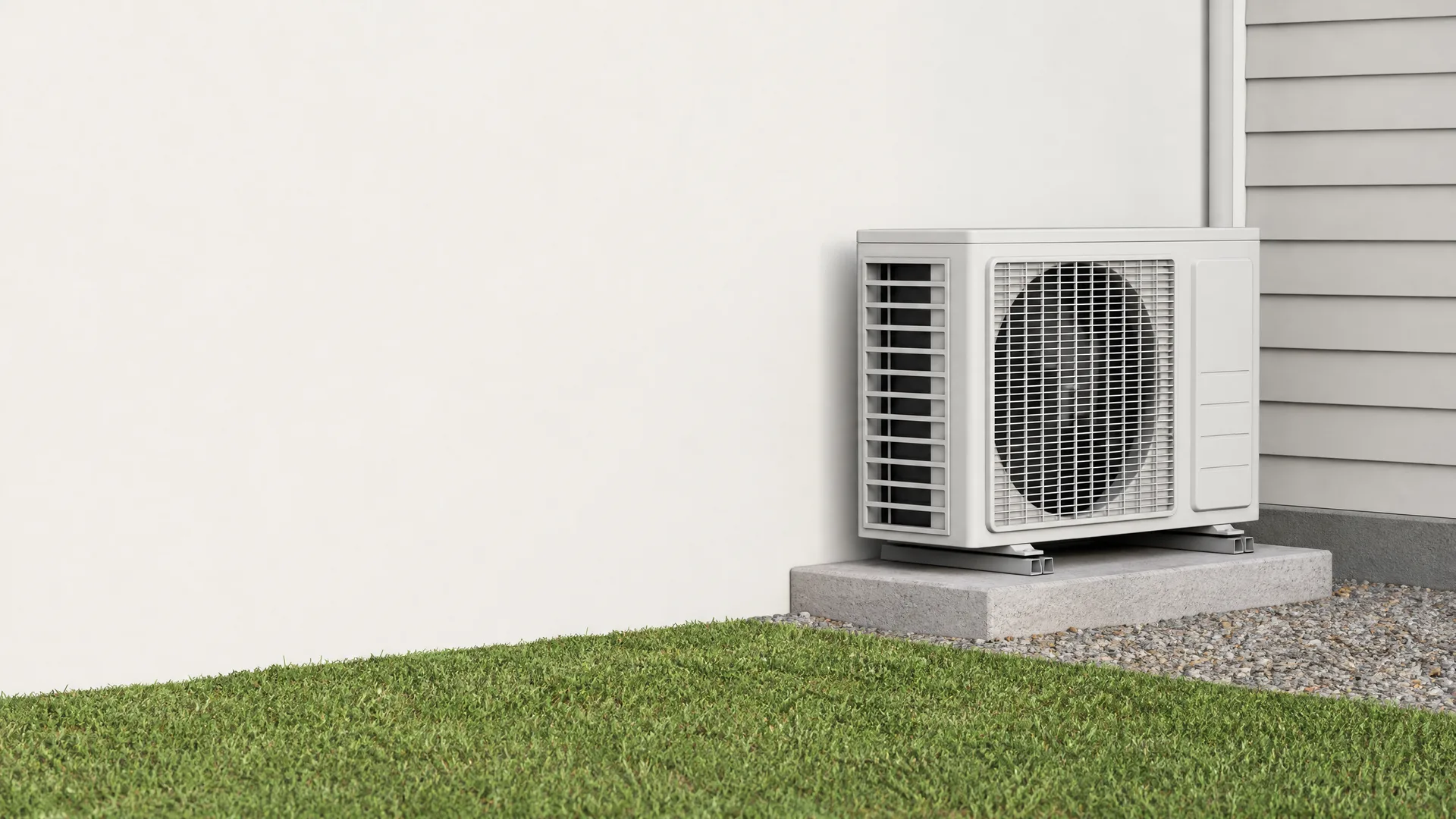
A white outdoor heat pump unit on a concrete pad beside a plain light wall, with gravel and mowed grass in front.

When the backup heat kicks in

Most heat pump systems paired with a furnace are set up to let the furnace take over once outdoor temperatures drop past a certain point, since gas can produce heat faster than the heat pump can move it. If you notice the furnace running instead of the heat pump on the coldest days, that's the system handing off the job, not the heat pump failing. A technician who services this equipment every winter can check that the switchover point is set correctly for your system.

Long Runtime: Normal or Not

Normal for winter

  • Runs steadily for long stretches once it's in the teens or single digits outside, sometimes most of the hour.
  • Auxiliary heat kicks in during the coldest snaps and raises the power draw without meaning anything is broken.
  • Outdoor coil frosts over in winter and the unit runs a defrost cycle, which can look or sound like a problem but isn't.
  • Airflow from the vents feels cooler than a furnace's, even when the heat pump is working exactly as it should.
  • A unit that's been serviced each fall tends to run long but steady, without short cycling or strange noises.

Worth a call

  • Short cycling, where it turns on and off every few minutes instead of running a long steady stretch.
  • Ice building up on the outdoor unit that doesn't clear during the defrost cycle.
  • Auxiliary heat running even when it's well above freezing outside, which points to the heat pump not keeping up on its own.
  • Rooms that stay cold no matter how long the system runs, or a thermostat that won't hold its set temperature.
  • A sudden jump in the power bill with no cold snap or weather change to explain it.
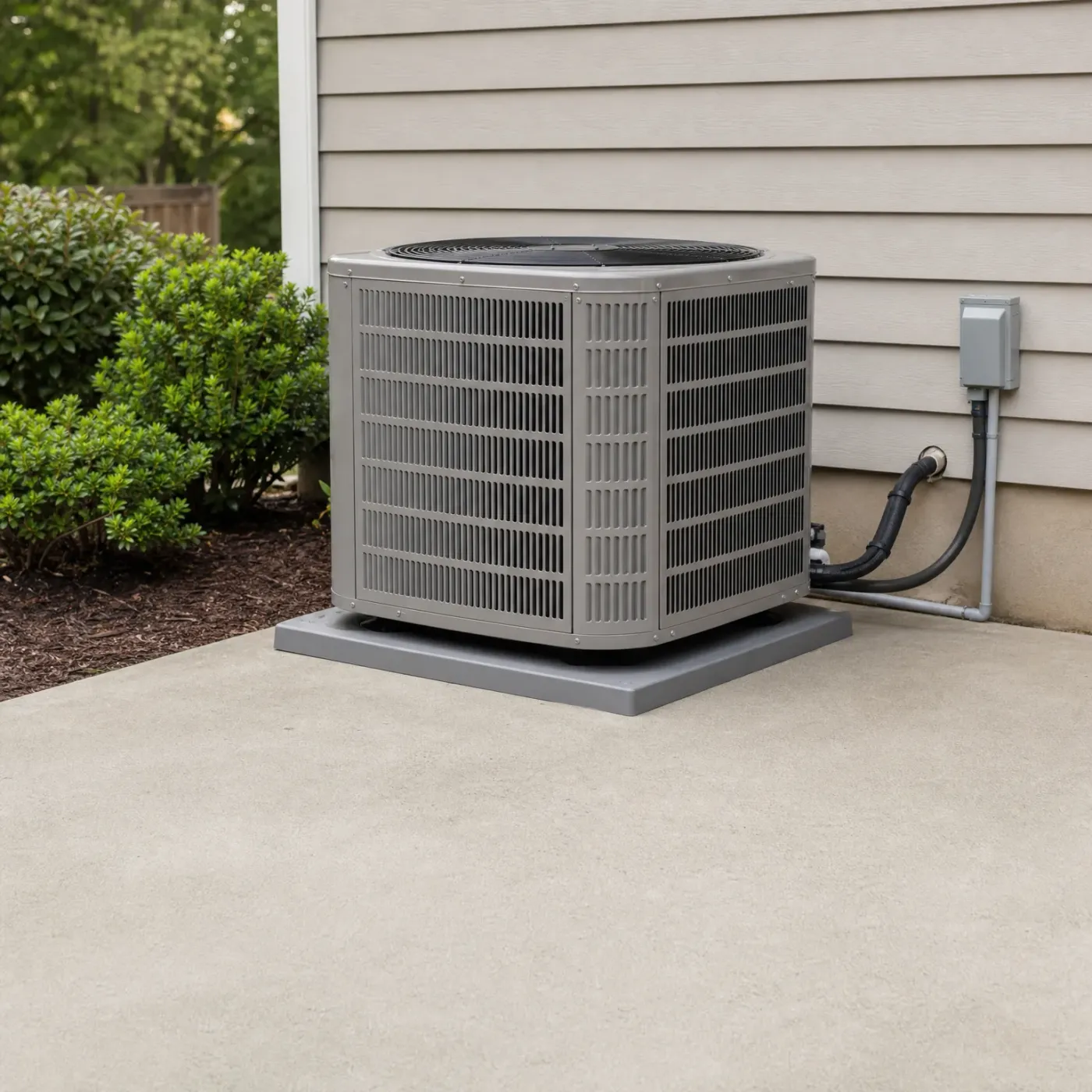
A gray outdoor condenser unit on a raised pad beside a house with horizontal lap siding, with refrigerant lines, conduit and an electrical disconnect box on the wall, and shrubs on a mulch bed to the left.
A clean coil and clear grille let the unit pull heat from the air the way it's supposed to, even on a hard January night.
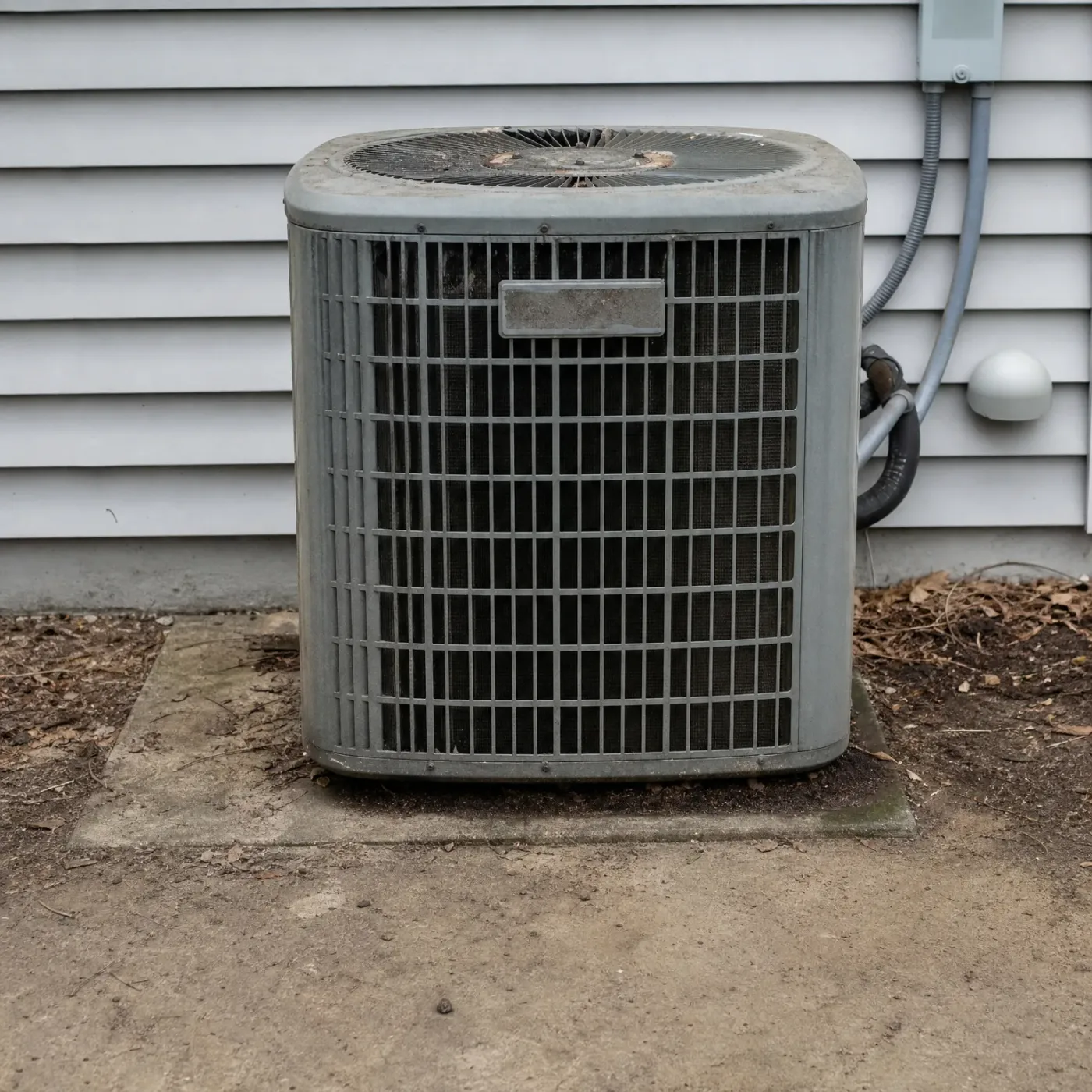
A weathered gray outdoor condenser unit on a concrete pad beside a house with horizontal vinyl siding, with conduit, refrigerant lines, and an electrical disconnect box on the wall behind it.
Caked-on grime and leaves piled against the base choke airflow, and the unit works harder to move the same amount of heat.
  1. Thermostat calls for heat and the reversing valve stays in heating mode

  2. Outdoor unit pulls heat from the cold air into the refrigerant

  3. Compressor raises that heat to a usable temperature

  4. Indoor coil releases the heat into air moving through the ducts

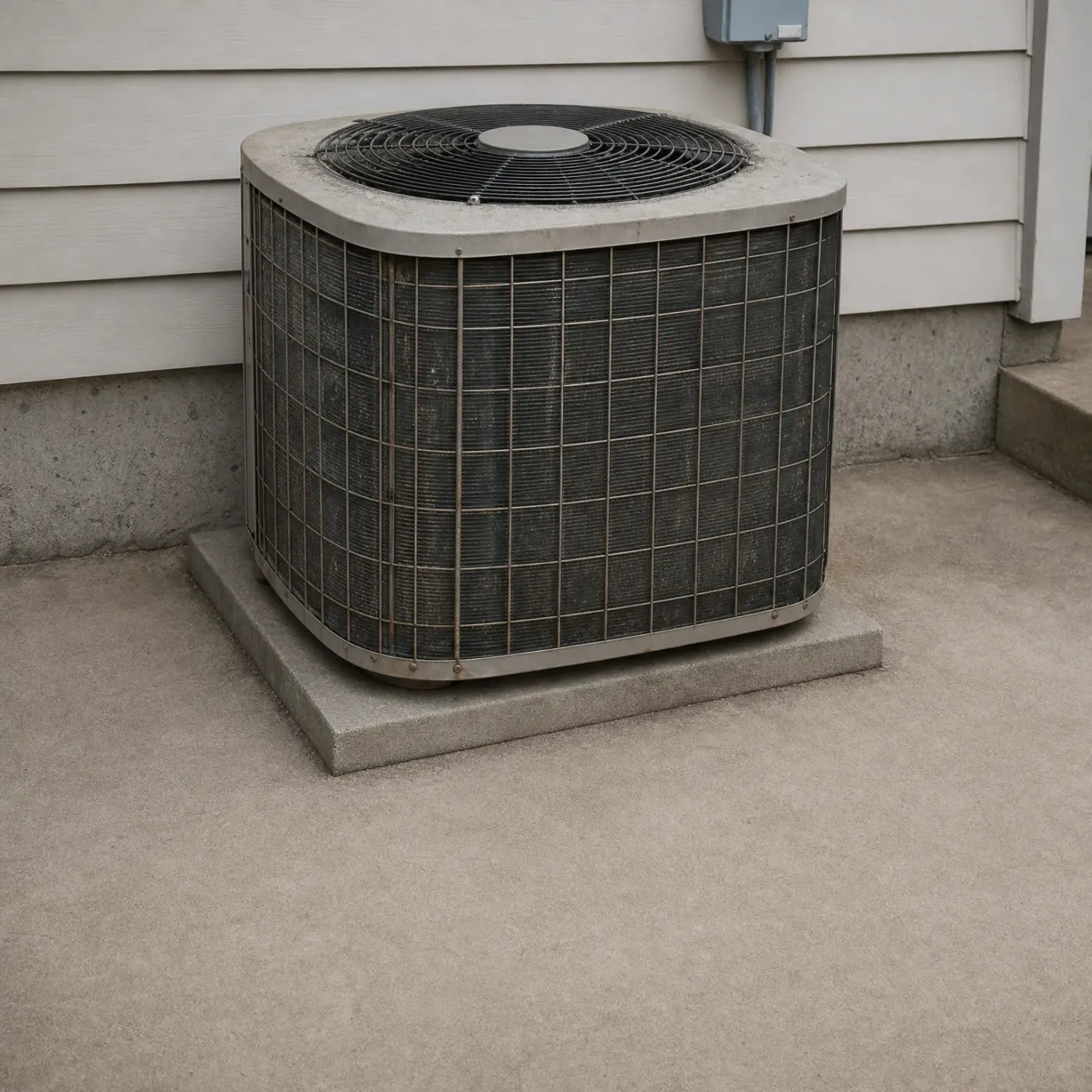
An outdoor air conditioning condenser unit with a top fan grille sits on a concrete pad beside a house with horizontal siding and a concrete step.
Before you get your heat pump maintenance
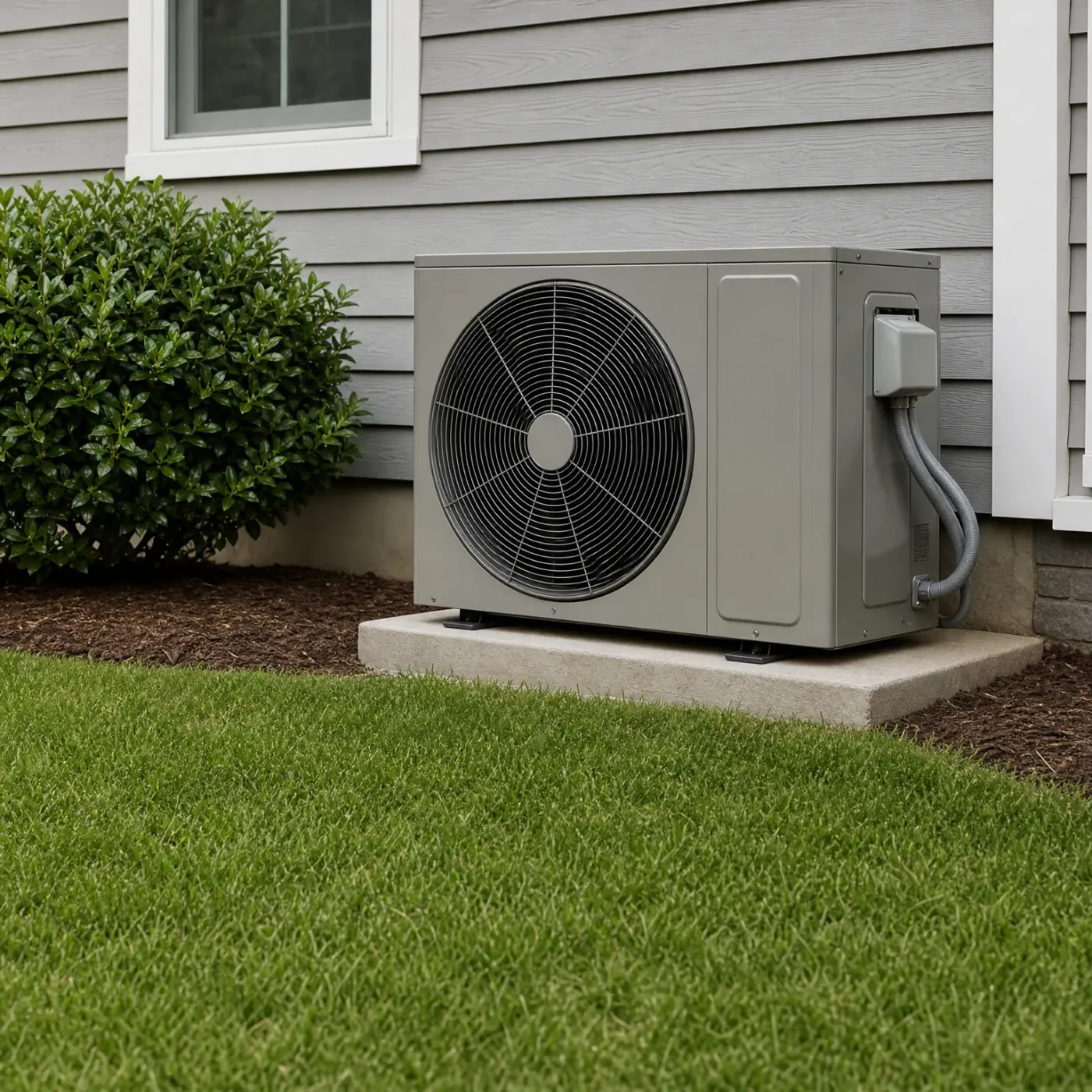
A gray outdoor heat pump unit with a large fan grille sits on a concrete pad beside a house with horizontal lap siding, next to a green shrub, mulch bed, and lawn.
After you get your heat pump maintenance
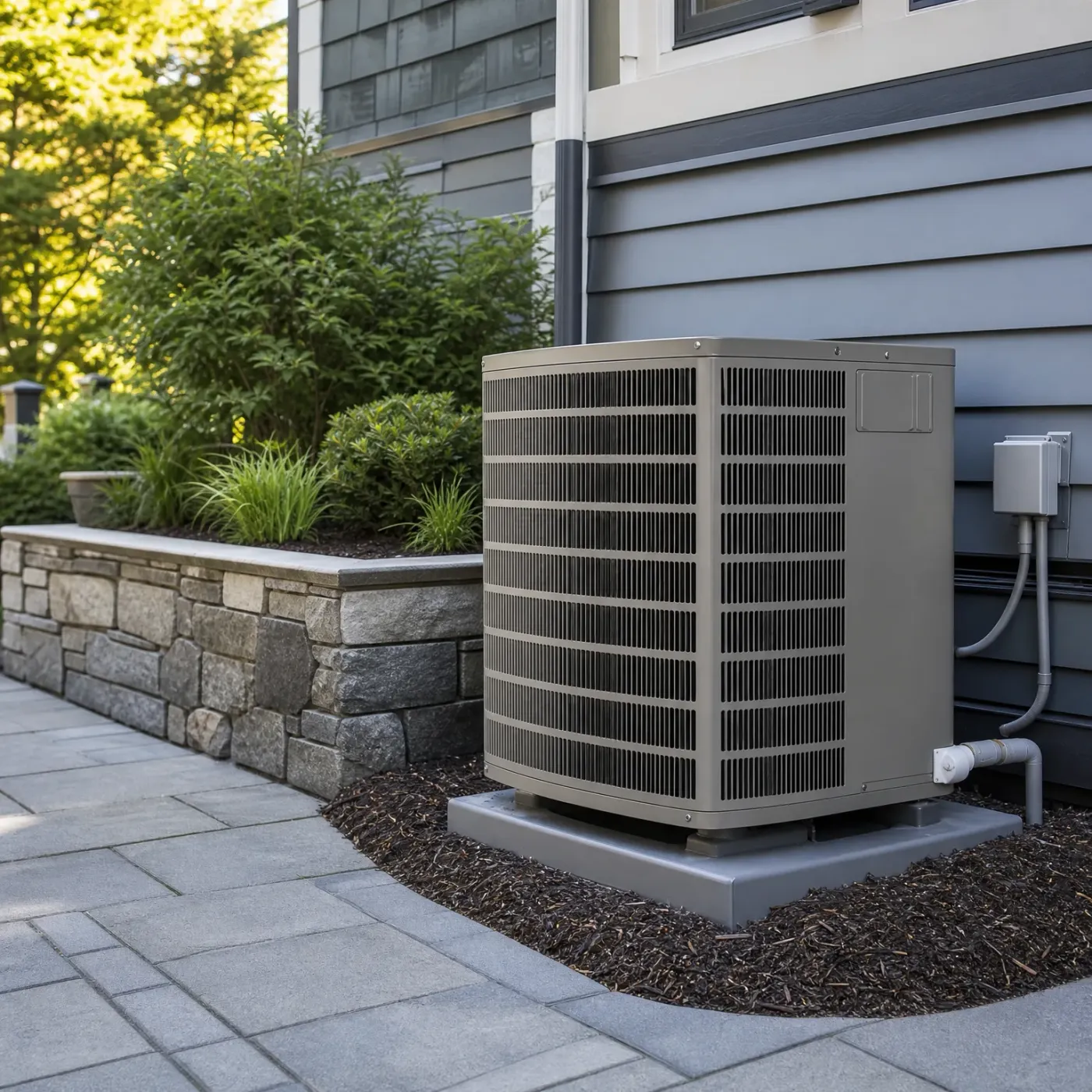
A beige outdoor condenser unit on a gray pad beside a house with gray horizontal siding, with refrigerant lines and an electrical disconnect box on the wall, bordered by dark mulch, a stone retaining wall with shrubs, and a paver walkway.

Skip calling around

Your request goes to one pro, not a list of companies.

Fill out one short form instead of calling around.

Answer a few questions

There's no charge for the request.

A smiling woman with dark shoulder-length hair in a cream V-neck sweater sits at a marble counter with a glass of red wine, with a kitchen and softly lit living room behind her.
A woman in a dark green sweater laughs while seated at a marble kitchen island with a glass of red wine, with open shelving, cabinets and a living room visible behind her.
A woman with long dark hair in a cream knit sweater laughs while looking off to the side, seated at a counter with a glass of red wine, in a dimly lit living room with a sofa, lamp, framed pictures and houseplant behind her.
A smiling woman with long dark hair in a beige sweater sits at a marble kitchen counter with a glass of red wine, with a dimly lit living room behind her.

Long runtimes in January are normal. What isn't normal is paying for runtime the cold didn't actually require. A filter clogged with dust or a coil iced over makes the unit work past what the temperature outside calls for, and you're the one who covers that difference on the power bill. The same goes for a refrigerant charge that's slipped low. Nobody notices it day to day, the house still feels warm, but the system leans harder on auxiliary heat to make up for it, and auxiliary heat pulls far more power than the heat pump running on its own. Power is cheap here, which makes it easy to miss a creeping bill until a cold snap makes it obvious. A technician who checks the coil, the filter and the charge before the hardest week of winter catches those problems while they're small and cheap to fix, instead of leaving you to find out the hard way, at the worst possible time, that something's been off for weeks.

What skipped upkeep costs you

  • A heat pump that runs long hours all winter without upkeep can lose efficiency gradually, so the extra runtime costs more than it should.
  • A dirty filter or a coil clogged with ice forces the unit to run longer than the cold alone would explain.
  • Skipped maintenance lets small issues like a low refrigerant charge go unnoticed until the system leans on auxiliary heat more than it needs to.
  • A frozen or iced-over outdoor coil can keep the unit running without actually heating the house, which raises the power bill for no benefit.
  • Since power is cheap here but auxiliary heat draws far more of it than the heat pump itself, unnecessary auxiliary use shows up on the bill.
  • Catching a worn part or a refrigerant issue before January's coldest week means fewer surprises when you need the heat most.
A smiling bearded man in a navy sweater sits at a candlelit dinner table with a glass of red wine, a bowl of salad, and plates of food in the foreground.
A woman with dark hair in a bun reclines on a sofa with her eyes closed, wrapped in a cream fleece blanket, a closed blue hardcover book resting in front of her, with a lit lamp and a vase of dried flowers in the background.
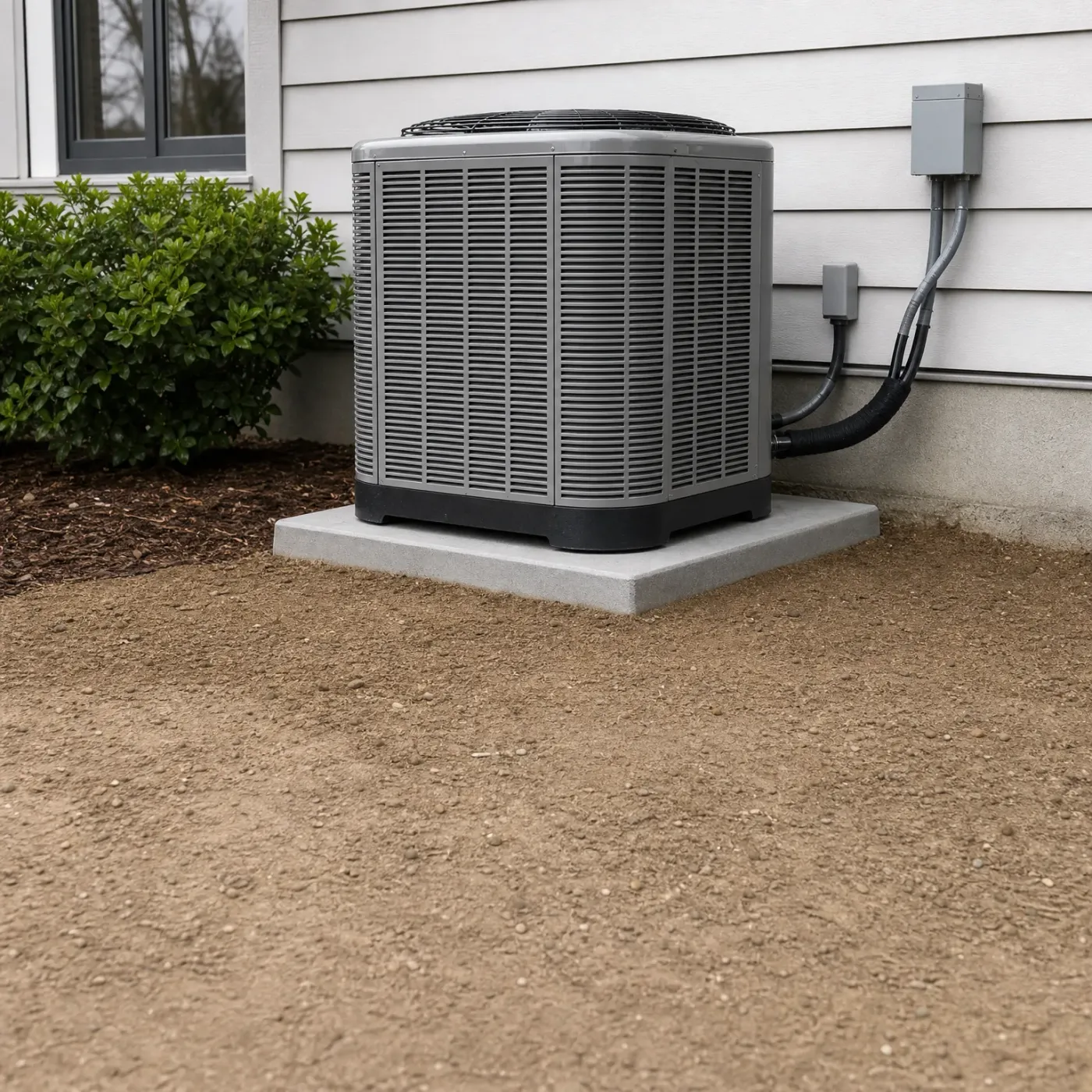
A gray outdoor condenser unit on a concrete pad beside a white horizontal-siding house, with refrigerant lines and conduit running to a wall-mounted disconnect box, bare soil in front and a green shrub at left.

Running long but working fine

This is what a heat pump pulling heat from cold air looks like on a hard night. The lines and conduit stay clear, the pad is clean, and the unit cycles on long stretches because that's what the cold is asking of it, not because anything's wrong.
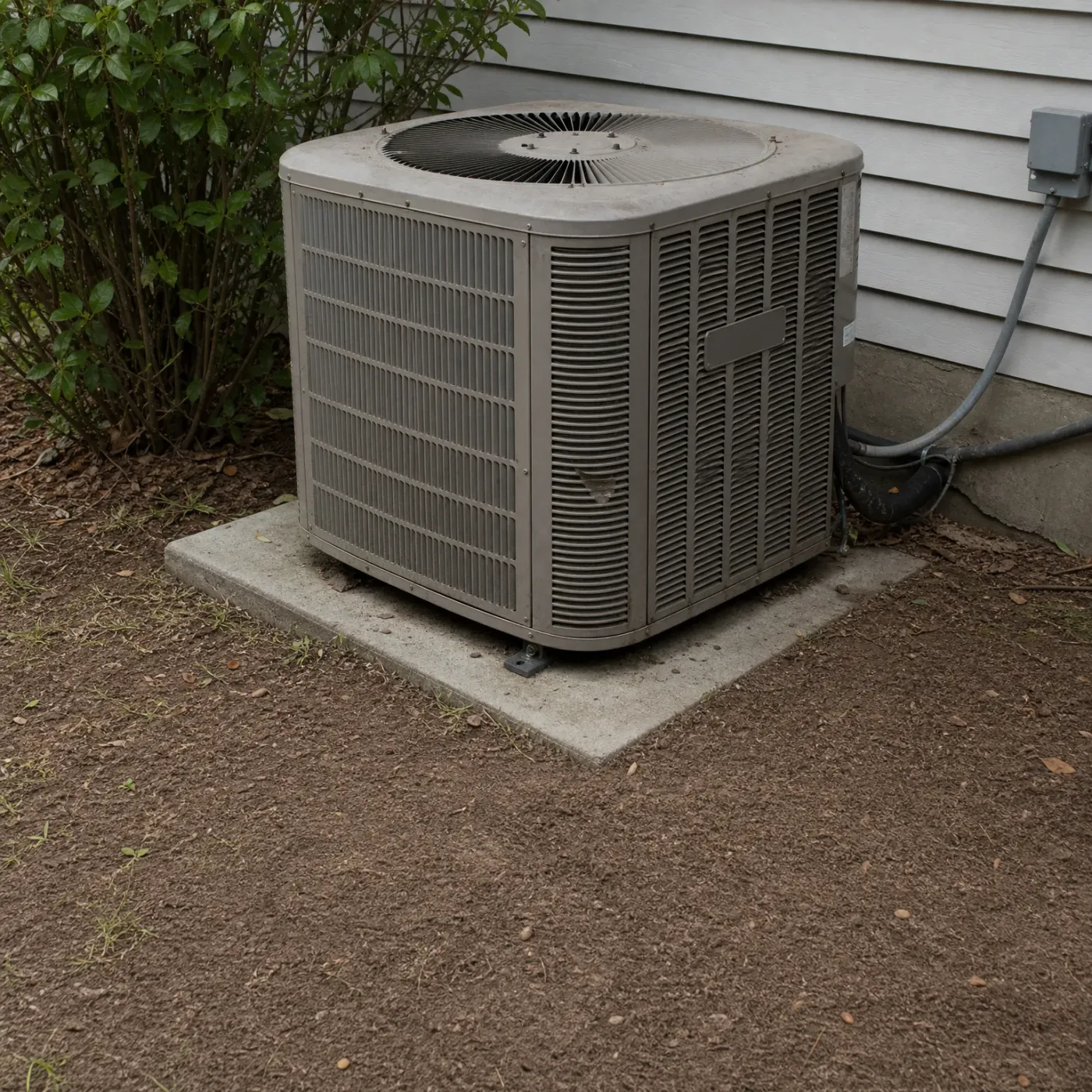

An outdoor air conditioner condenser unit on a concrete pad beside a house with horizontal lap siding, with a shrub to the left, bare dirt in front, and conduit and a metal disconnect box on the wall.

Running long and losing ground

Same setup, same cold night, but the unit is fighting itself. A coil that can't breathe or a filter packed with dust makes the compressor work longer to move the same heat, and that extra runtime shows up on the power bill before anything fails outright.

Power costs 13.62 cents per kilowatt-hour statewide

Since your heat pump runs long hours once it gets cold, every one of those hours shows up on the bill at 13.62 cents per kilowatt-hour. Power here is cheap compared to a lot of places, which is part of why a heat pump can make sense even when it's running most of the hour. Keeping the coil clean and the filter clear is what keeps those long run times from costing more than they should.

EIA-861 2025 statewide residential average

A closed laptop and a cream mug of coffee on a coaster sit on a dark wooden table, with a potted plant at left and a kitchen counter, tiled backsplash and shelf of ceramics in the background.

Long runtimes in winter are normal. Short cycling isn't.

A heat pump running most of the hour on a cold January night is doing its job. That's what pulling heat from cold air looks like. What isn't normal is a unit that struggles to keep the house warm, trips auxiliary heat on mild days, or frosts over and doesn't defrost on its own. Those are signs something needs a look, not signs of a hard winter.

If you've been putting off maintenance because you're not sure who to call, that's the part worth skipping. A local contractor who services heat pumps all season knows what usually gives out first on these units and can tell you in one visit whether your runtime is the cold or something else. No need to get three companies out to look at the same coil and compare notes afterward. One visit, one answer, and you'll know where your system stands before the next cold snap hits.

A living room corner with a beige upholstered armchair holding navy and striped cushions, a small round wooden side table with a carved bowl and a potted green plant, a framed landscape picture on a pale wall, built-in shelving, and a curtained window.
At dusk, a dark board-and-batten house with a standing-seam metal roof and lit entry walkway of stone pavers, with two large outdoor heat pump units on a stone-walled pad at right and trees and hills in the background.

Heat Pump Maintenance

Describe it once

Step 1 of 3: Equipment
  • A dimly lit living room corner with a beige upholstered sofa holding a dark green cushion and a chunky knit throw, beside a wooden sideboard with a lit ceramic table lamp, a small potted plant, and a wooden bowl, with a framed artwork on the wall and a mug on a book in the foreground.
    • A local pro who services heat pumps gets in touch about the tune-up.
    • Describe your heat pump job, and a local pro who handles it gets in touch.
  • A round wooden coffee table holding a round stone vase of green foliage, a lit candle in a glass container, and a small dark bowl, with a beige sofa, cushions and knit throw behind and a window at left.
    • Send the form, and lining up the heat pump tune-up stops being yours to chase.
    • One request and the search for a pro is handled.
  • Sunlit living room with a wooden coffee table holding a ceramic vase of leafy branches and a carved wooden tray with two stacked books, in front of a beige sofa with tan and green cushions and a potted plant near a window.
    • Skip searching for a heat pump pro and answer a few questions instead.
    • One form replaces the calls you'd make to find a heat pump pro.
  • Interior corner with a lit ceramic table lamp and wooden bowl on a wood sideboard, a framed picture and branch-filled vase behind, a knit throw over an upholstered chair, and a lit candle in a glass holder, stoneware mug and round planter of green foliage on a wooden table in the foreground.
    • Only one pro gets your request, so you hear from one company.
    • Your request stays with one local pro.