Heat Pump Iowa

Is a dual fuel heat pump worth it in Iowa

Step 1 of 3: Equipment

Yes, for most homes in Iowa. A heat pump alone struggles once temperatures drop into the 20s and below, which Iowa sees for weeks at a stretch most winters. Dual fuel pairs your heat pump with a gas furnace, so the heat pump handles the mild days in spring and fall and the muggy summer cooling, then the furnace takes over automatically when it gets too cold for the heat pump to work efficiently. Since most homes in Iowa already heat with gas, adding this setup usually means tying the heat pump into a furnace that's already there or going in alongside a new one, rather than running new gas service. You get a system that leans on electric power when it makes sense and gas when the air outside gets too cold for a heat pump to keep up. The result is steadier heat through the worst of winter, without giving up the heat pump for the rest of the year.

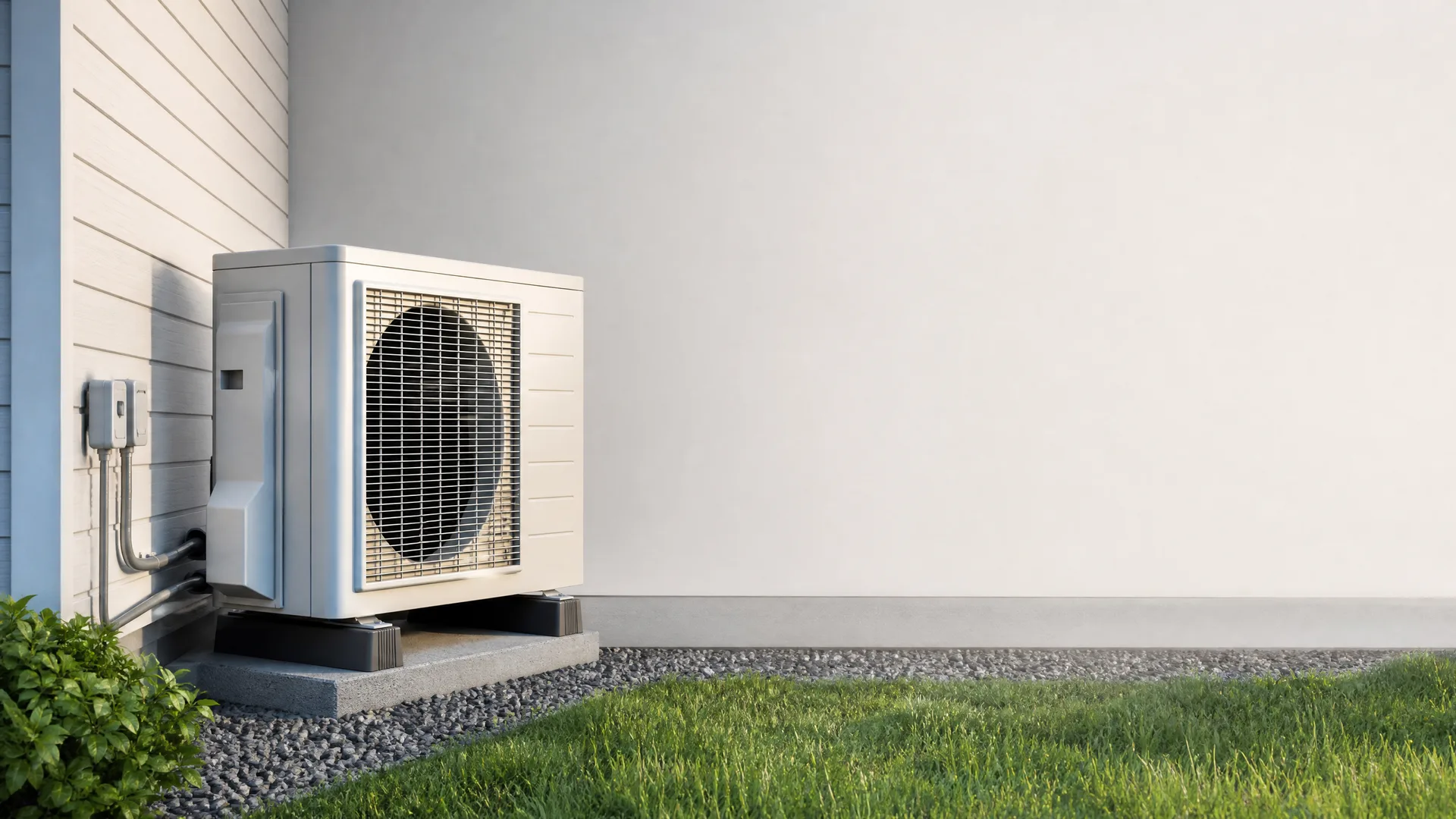
An outdoor heat pump unit on a concrete pad beside a house corner, with a small electrical box and conduit on the wall, gravel border, grass, and a plain light-colored wall filling the right side.

Where the switch actually happens

A dual fuel system has a thermostat or control board set to a balance point, usually somewhere in the 30s, where it hands off from the heat pump to the furnace. Below that temperature, the heat pump uses more electricity than it saves compared to burning gas. A contractor sets this point based on your home and your utility rates, and it can be adjusted later if your bills say otherwise.

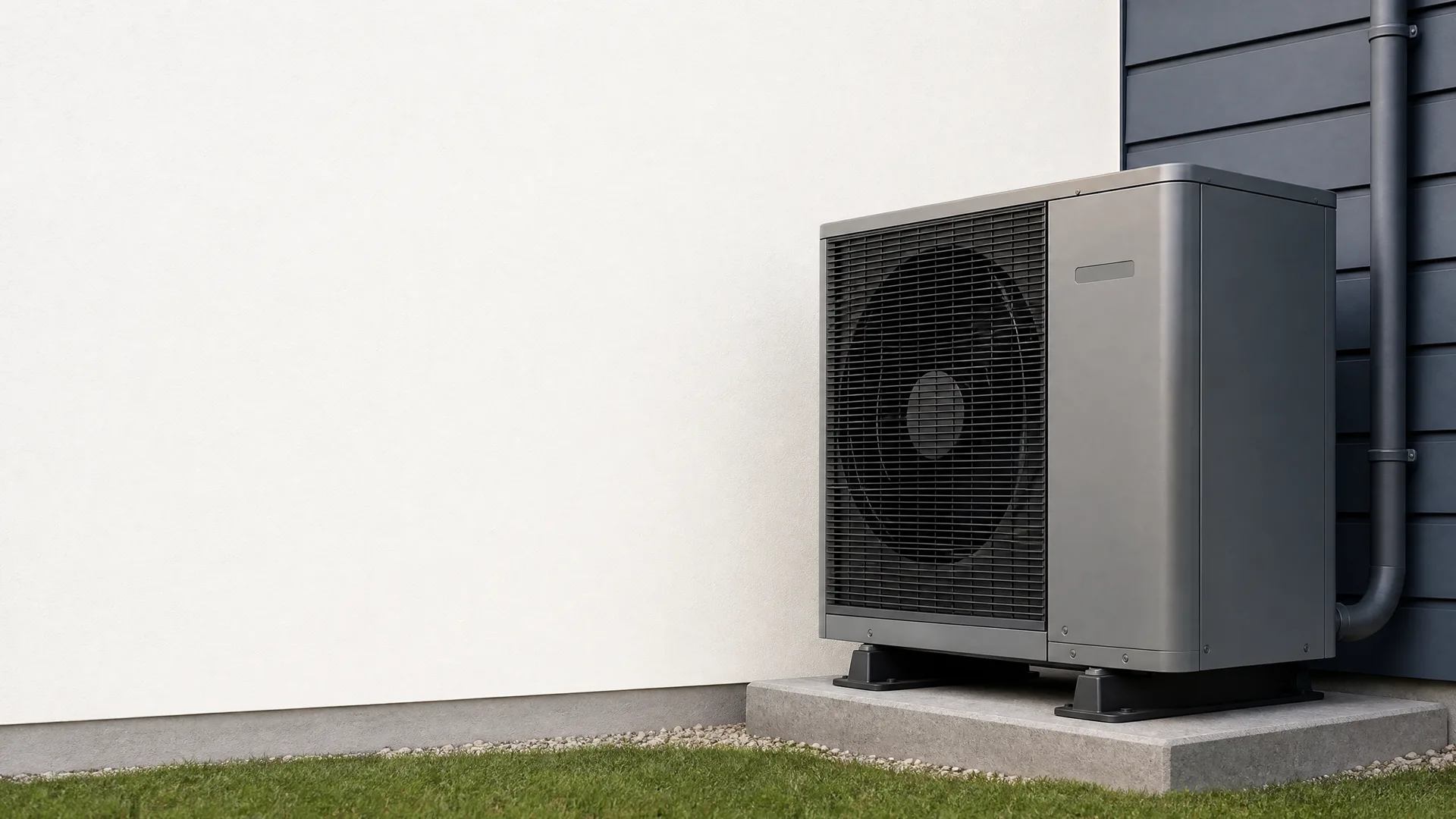
A grey outdoor heat pump unit on a concrete pad beside a white stucco wall and dark siding with a downpipe, with gravel and grass in the foreground.

Why gas furnaces stay in Iowa homes

Most houses here already have a gas line and a furnace in place, which is what makes dual fuel possible without rerouting anything new. The furnace only fires during the coldest stretch of the year, so it sees far less run time than it would as your only heat source. That lighter workload is one reason these pairings tend to hold up well through an Iowa winter.

Is your heat pump struggling once it gets cold out

You run the heat pump and it keeps running, long stretches without shutting off, and the air coming out doesn't feel very warm. Your electric bill climbs in January and February while the house still feels cooler than the thermostat says it should. Some homeowners notice the outdoor unit icing over and staying that way. If your heat pump is the only source of heat, it's working hardest exactly when Iowa's coldest days hit, and a unit that can't keep up means higher bills for less comfort, and more wear on a system that's already straining. A furnace paired with it would take over right when the heat pump starts losing ground.

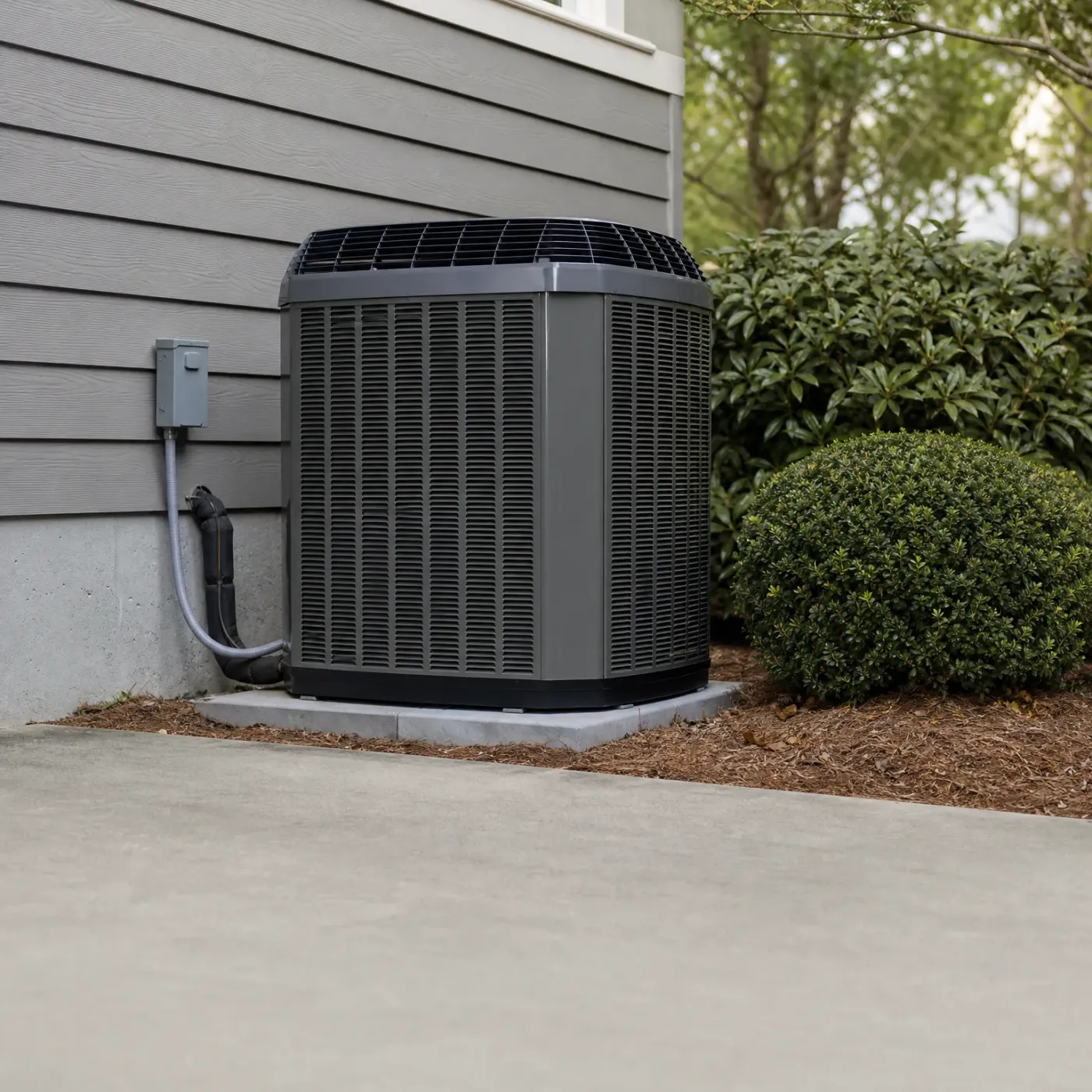
An outdoor condenser unit on a concrete pad beside a gray lap-sided house, with an electrical disconnect box and conduit on the wall and shrubs with mulch to the right.

Heat pump above the balance point

This is your heat pump doing the job it's built for, pulling heat from outside air into the house. Above the balance point it runs efficiently on electricity, which costs less here than propane or oil. Iowa's muggy summers are the same unit working in reverse, cooling the house.
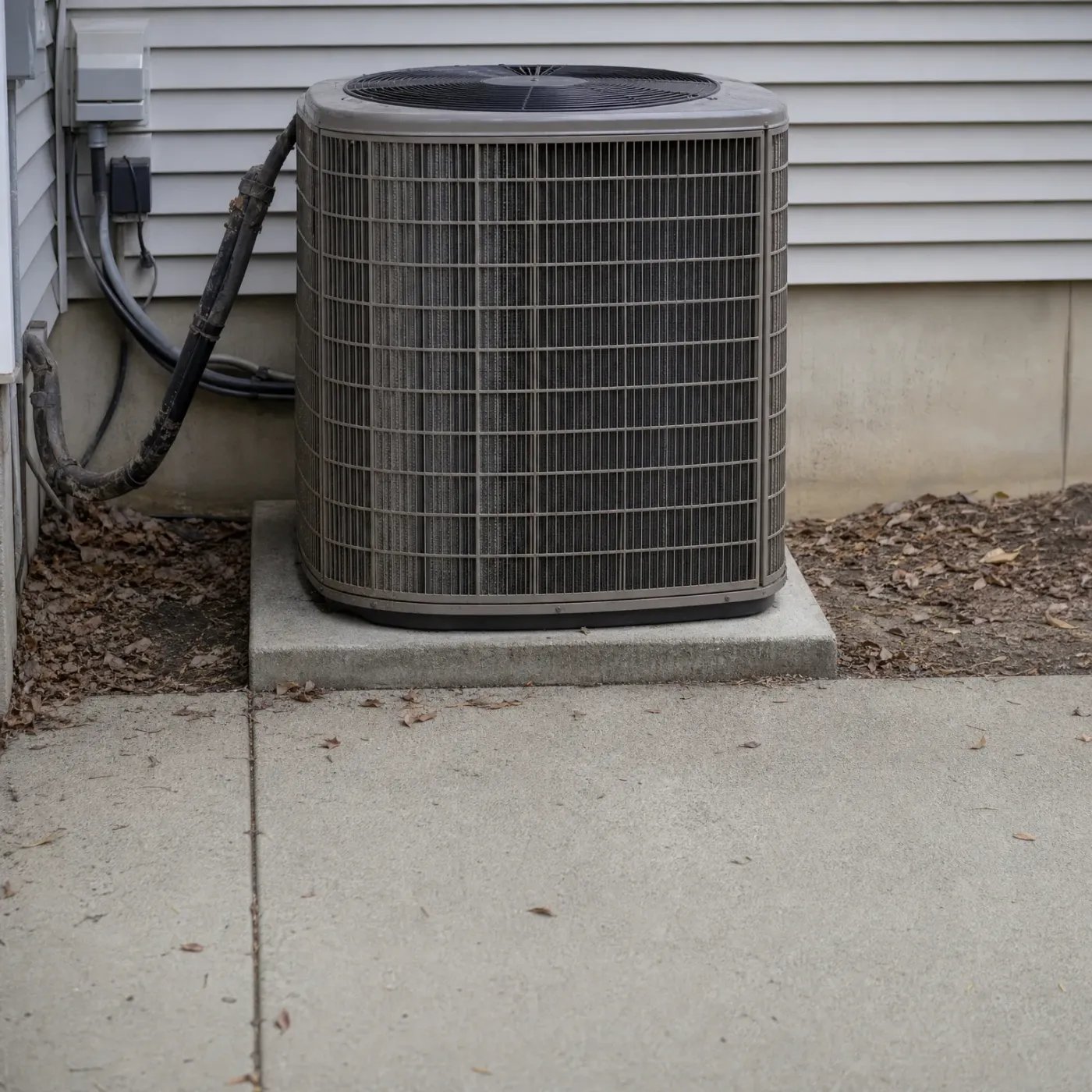

An outdoor air conditioner condenser unit on a concrete pad beside a house with horizontal vinyl siding, with refrigerant lines and an electrical disconnect box on the wall and dry leaves on the ground.

Heat pump below the balance point

Once temperatures drop into the 20s, the heat pump has to work harder for less heat, and coils can ice over if a defrost cycle falls behind. Left to run alone through an Iowa cold snap, it strains to keep up and pulls more electricity doing it. This is where the furnace takes over.

A man in a blue sweatshirt reclines with closed eyes in a brown leather armchair in a living room with a bookshelf, houseplant, sofa, window, and a side table holding newspapers and a dark mug.
A bearded man in a gray pullover reclines with closed eyes on a brown leather sofa in a sunlit room with a window, framed picture, potted plant, and a wooden cabinet holding papers and a dark mug.
A man in a gray sweater leans back with closed eyes in a brown leather armchair beside a wooden side table holding a dark mug and a folded newspaper, with bookshelves and a window seat behind him.
A man in a green sweater reclines in an armchair with his eyes closed and a slight smile, beside a window with plants, a small table holding a mug and folded newspaper, and bookshelves behind him.

Finding a pro stops being your job

If your heat pump is already paired with a gas furnace and you're not sure the switchover is set right, or the furnace side is old enough that you're wondering if it'll make it through another January, that's worth having someone look at before the cold really settles in. A contractor who works on dual fuel systems in Iowa every winter has seen where these setups usually go wrong, a balance point set too low, a furnace that's been quietly struggling for years, a thermostat that was never matched to the equipment it's controlling. This goes to one licensed contractor local to you, not a handful of companies competing for the job, so you're dealing with one person who can actually look at your system and tell you what it needs. Send the request and let that part be someone else's job for a while.

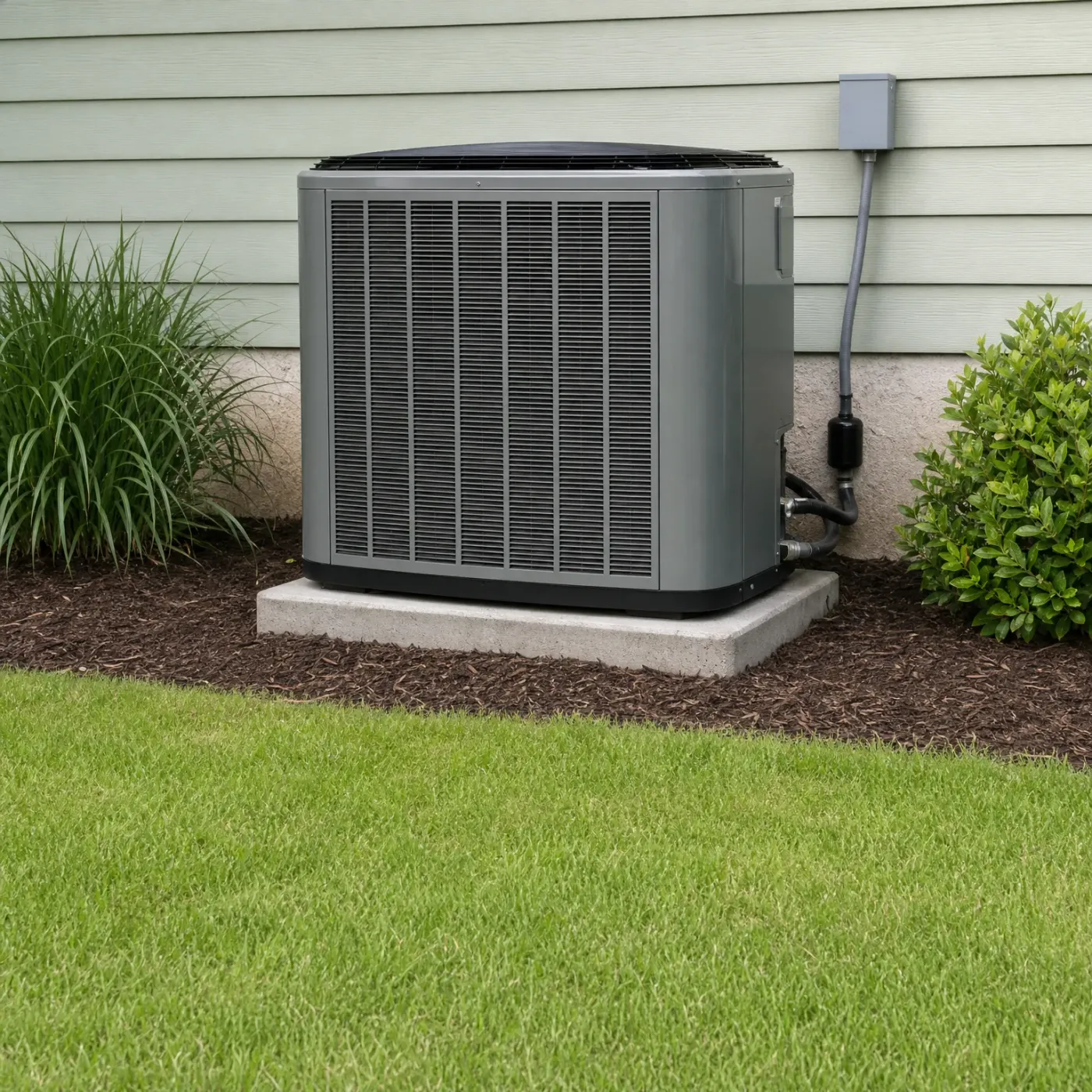
A gray outdoor condenser unit on a concrete pad beside a light-green sided house, surrounded by mulch, ornamental grasses and a shrub, with mowed lawn in the foreground.

The heat pump handling it fine

This is what it looks like most of the year, sitting on its pad doing the job quietly. Above the balance point it keeps up with the house without strain, and there's nothing here to point to as a problem.

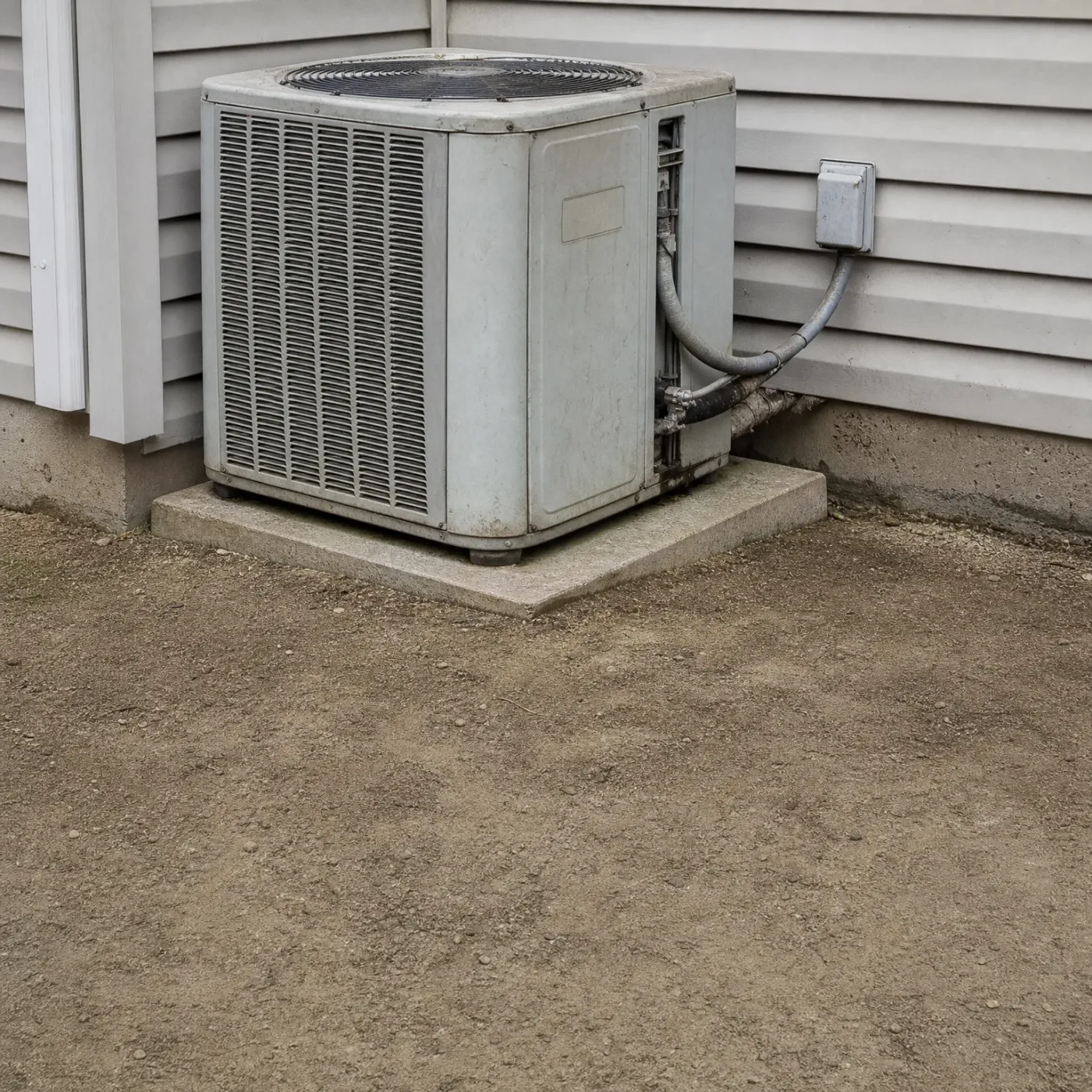
An outdoor condenser unit on a concrete pad beside a horizontal-sided house, with insulated refrigerant lines running to a wall-mounted box, surrounded by bare dirt.

The heat pump that's aged out

Weathering like this is worth a second look, especially on the coil and the wiring running to the disconnect. If yours came with the house and looks like this, it may not have much left for a hard January.

An older man with gray hair and a beard leans back on a beige sofa with his eyes closed, in a sunlit room with potted plants, a wicker chair and large windows behind him.
A woman in a cream knit sweater sits in an armchair with her eyes closed and a slight smile, beside an open window showing orange autumn foliage, with a mug, books and a lit candle on a small side table.

Gas furnace alone

Burns propane or natural gas straight through January, no electric backup. Reliable in a cold snap, but you lose the cheaper electric heat on the milder days in between.

Find a local pro

Dual fuel setup

Heat pump covers the fall and spring months on electricity, furnace takes over once it drops into the 20s. You get the lower cost without giving up backup for the worst of winter.

Find a local pro
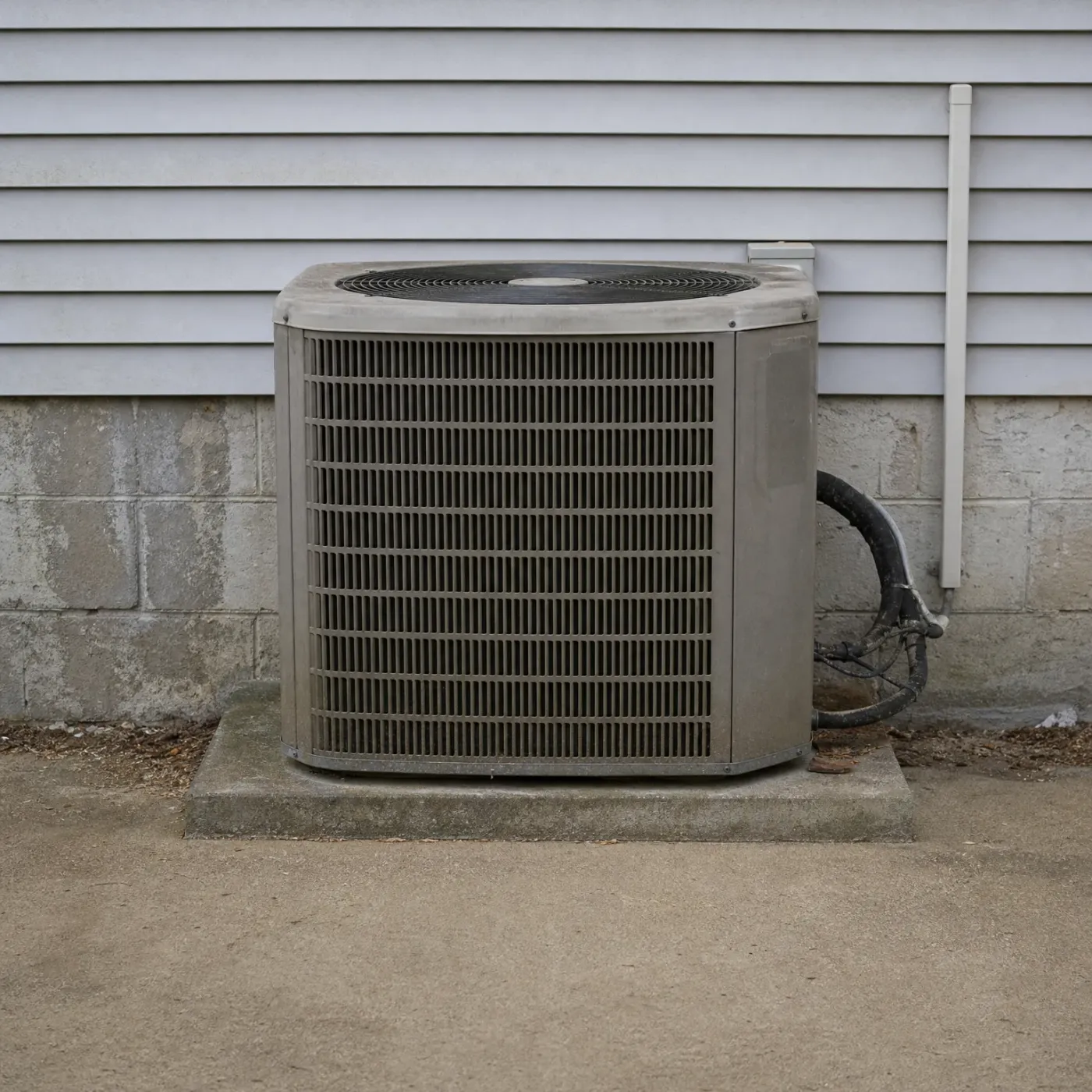
An outdoor air conditioner condenser unit on a concrete pad beside a house with horizontal siding above a concrete block foundation, with insulated refrigerant lines and a vertical white pipe on the wall.
Before you get your heat pump installation
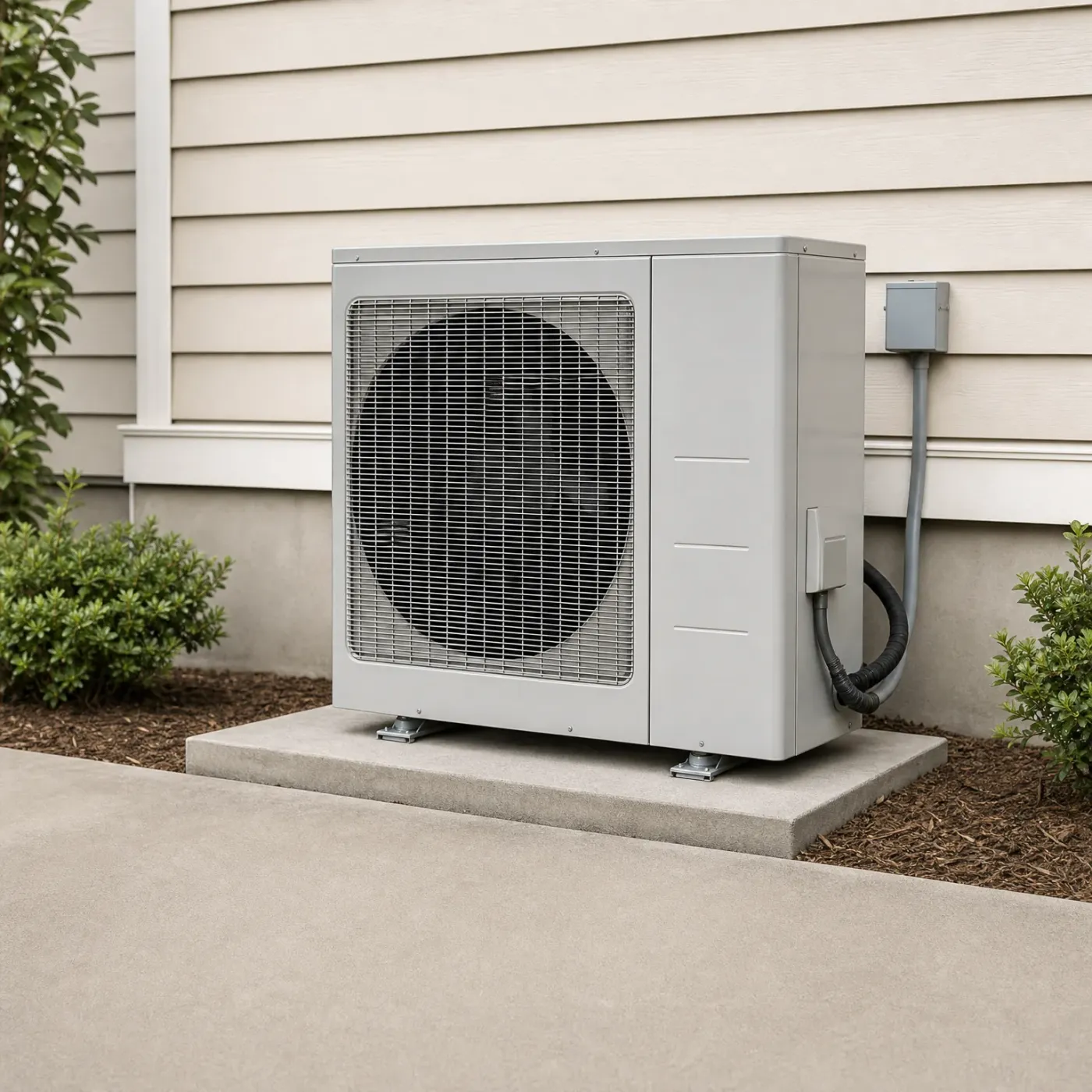
A gray outdoor heat pump unit on a concrete pad beside a house with horizontal lap siding, connected by conduit and a flexible line to a wall-mounted disconnect box, with low shrubs and mulch nearby.
After you get your heat pump installation
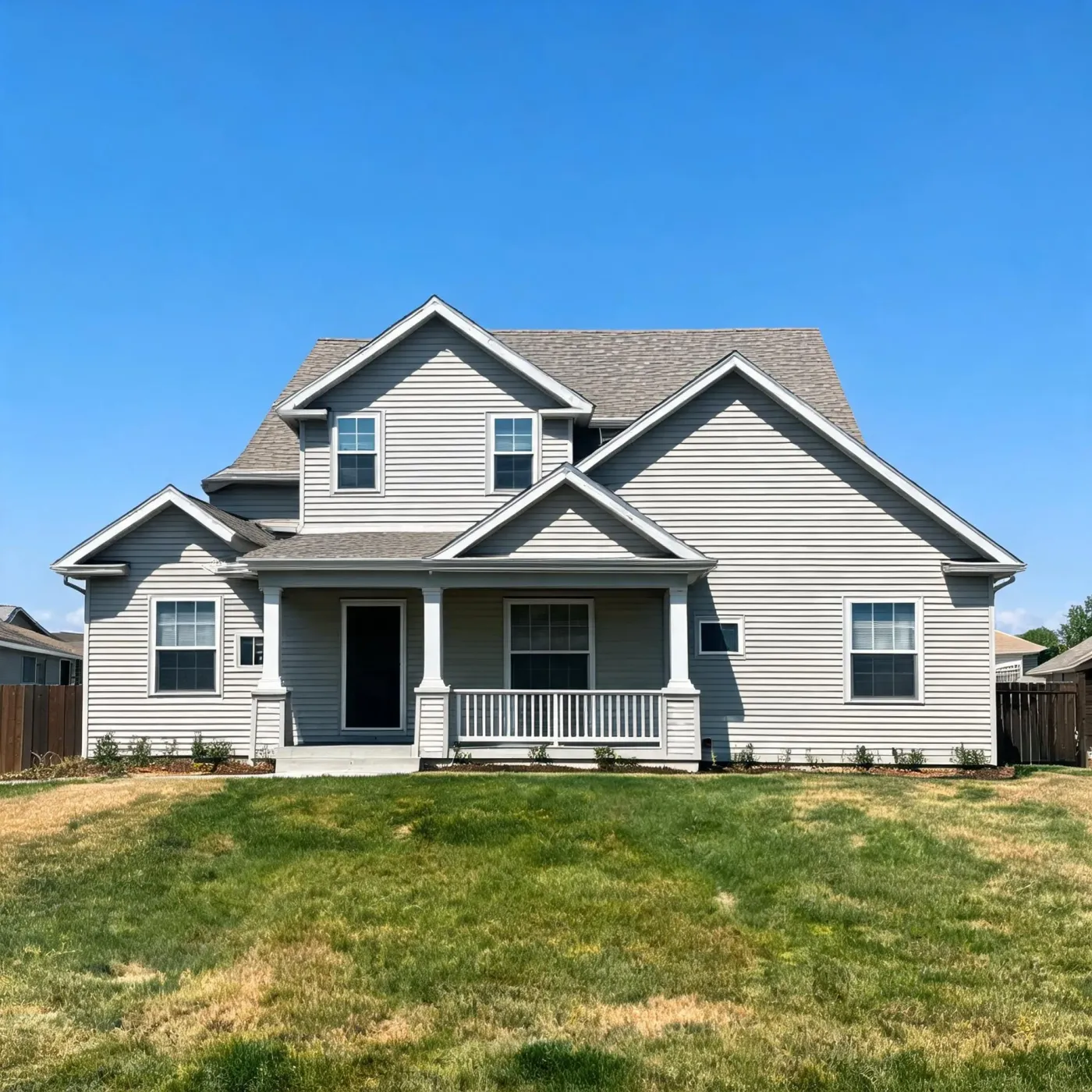
A two-story gray horizontal-siding house with multiple gables, a covered front porch with white columns and railing, and a dark front door, fronted by a patchy green and brown lawn under a clear blue sky.

That same heat pump works just as hard in July. Iowa's summer dew point averages 62°F across June, July and August, and anything above 60 is what makes air feel heavy instead of just warm. Your heat pump has to pull that moisture out of the air before the house feels comfortable, not just drop the temperature on the thermostat. On the sticky days this summer, notice how long it runs even after the house feels cool, and whether the air coming out of the vents feels damp rather than dry. That's the dew point, not the heat, doing the work.

NASA POWER T2MDEW county cells weighted by homes

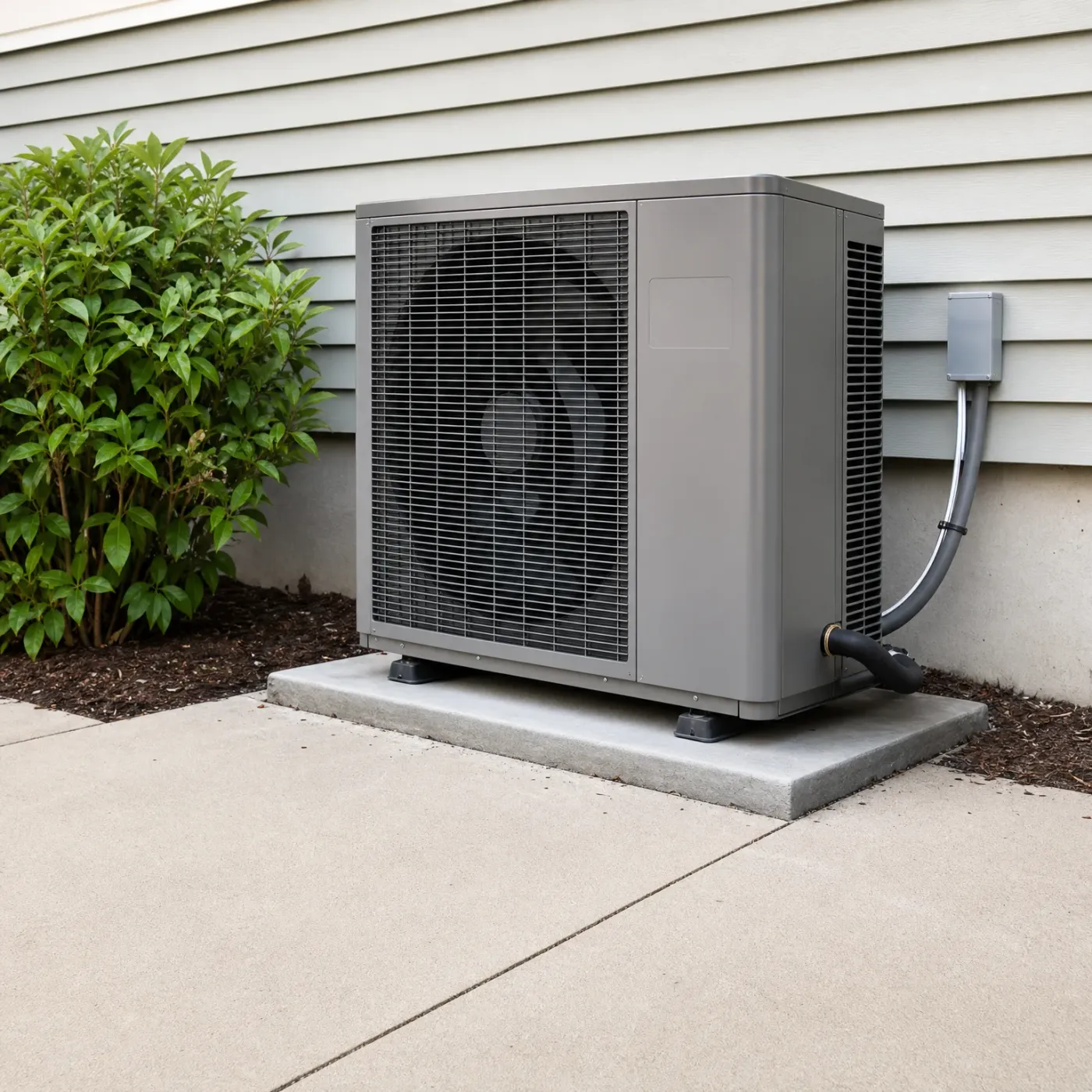
A gray outdoor heat pump unit on a concrete pad beside a house with horizontal lap siding, with a conduit running to a wall-mounted disconnect box and a green shrub to the left.
This is the unit pulling its weight, clean and clear of the siding with nothing blocking the airflow around it.
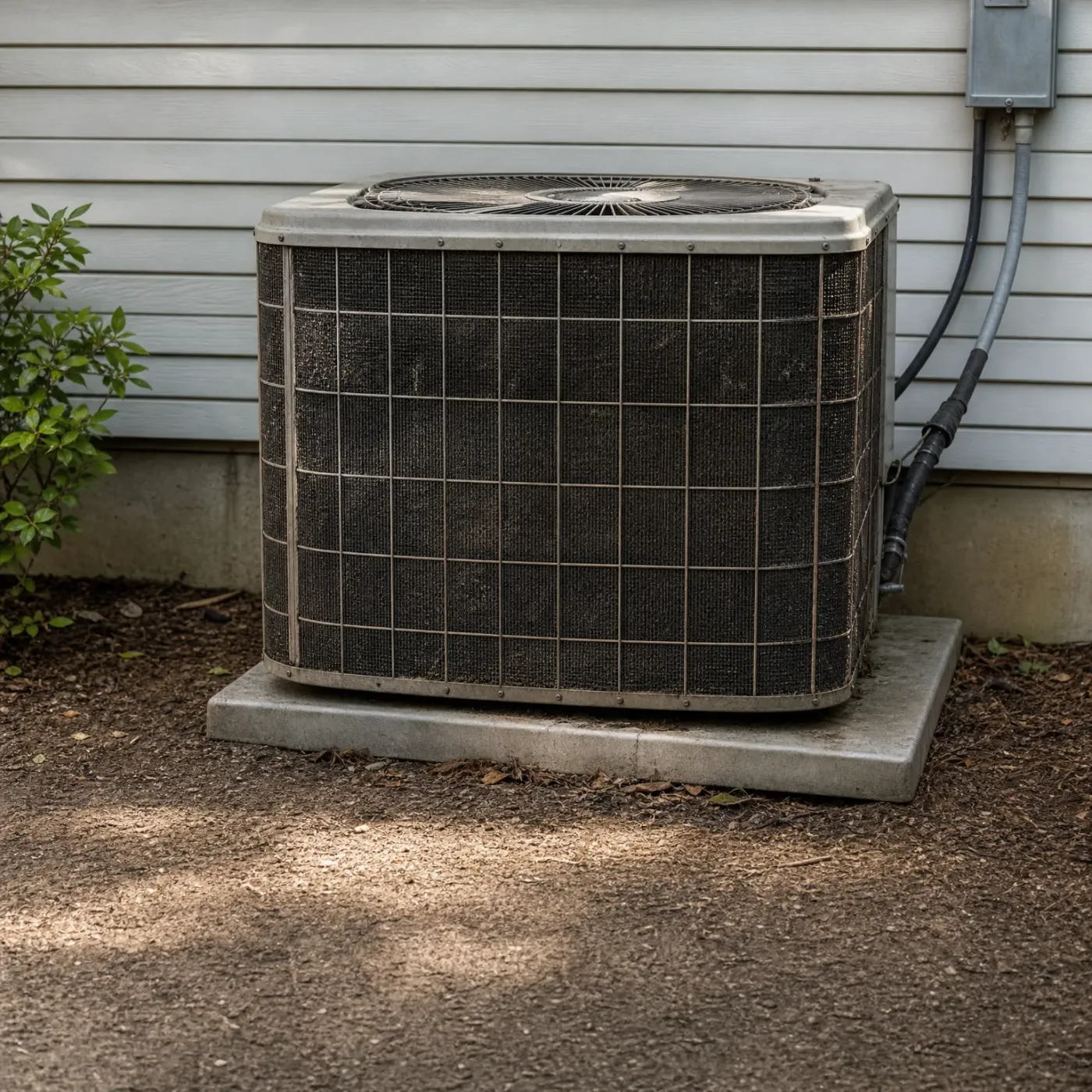
An outdoor air conditioning condenser unit with dusty coils sits on a concrete pad against light horizontal siding, with an electrical disconnect box and refrigerant lines on the wall and a shrub and mulch at left.
This is one left to grime and a crowded bed, the kind of neglect that makes a furnace backup earn its keep.

Dual fuel pays off here

  • For most Iowa homes, pairing a heat pump with a gas furnace is worth it once winter temperatures drop into the 20s and below.
  • The heat pump still handles spring and fall on electricity, which costs less here than propane or oil.
  • The furnace only has to carry the coldest stretches of the year, so it won't rack up hours of run time.
  • A local contractor who works on these systems all winter can check whether your balance point is set where it should be.
  • One contractor means one visit to sort out the setup, not several companies competing to tell you what's wrong with it.
  • If the pairing is set right, you get cheaper heat most of the year and a furnace that's ready when the cold actually hits.

For most homes in Iowa, dual fuel earns its keep. The heat pump takes spring and fall on electricity, which costs less here than propane or oil. The furnace waits for the stretches in the 20s and below, so it isn't running up hours it doesn't need to. That split is the whole case for doing this, and it holds up over a full year of Iowa weather, not just the mild months.

Where it falls apart is the setup. If the balance point is off, you end up paying to run a heat pump in weather it can't handle, or burning gas on days the heat pump would have managed fine. That's not something you can check by looking at the thermostat. It takes someone who services this pairing through a full winter, not just furnaces or just heat pumps on their own, to know where your balance point should actually sit and whether the control board is holding it there.

That's the kind of thing a local contractor catches in one visit, because they've seen the same setup go wrong in other houses nearby and know what to check first. You get one contractor who knows the equipment, not a handful of companies each giving you a different answer about what's wrong.

Get the pairing right and the math works the way it's supposed to: cheaper heat most of the year, and a furnace that's ready the day it actually gets cold.

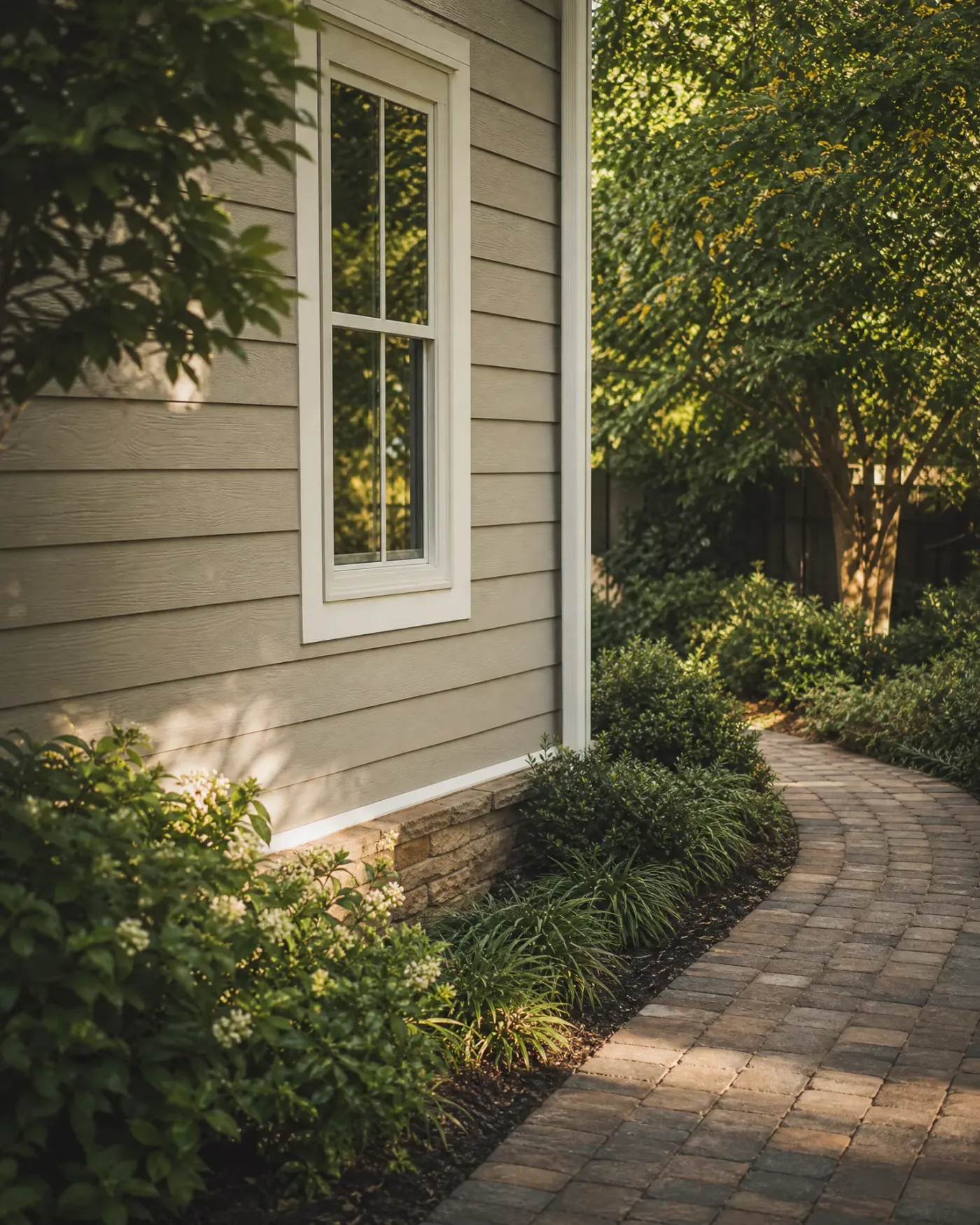
A curving paver walkway runs alongside a house with beige lap siding and a white-trimmed window, bordered by low shrubs, grassy plants, and trees in sunlight.
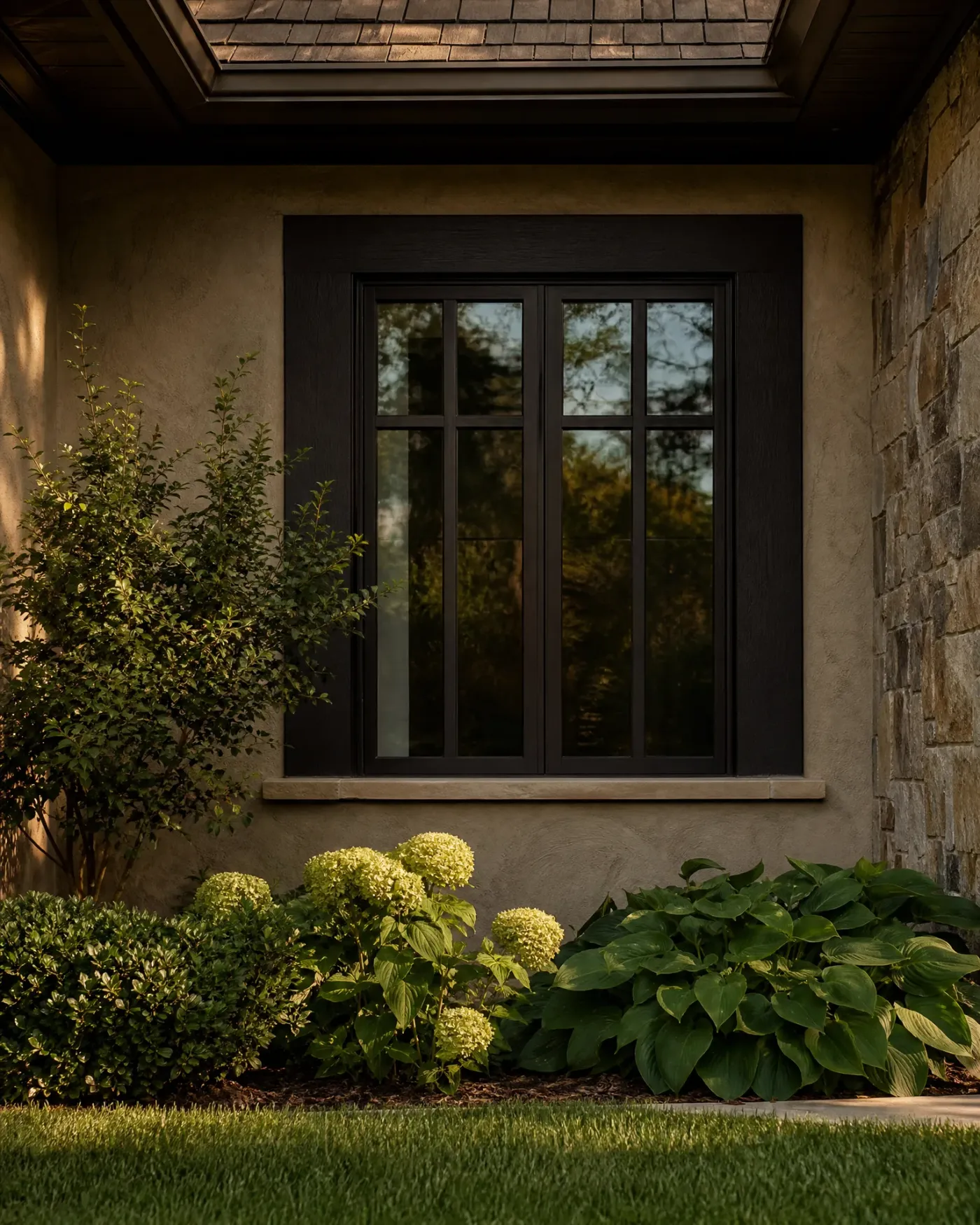
A dark-framed casement window with divided upper panes set in a stucco wall beside a stone-clad section, with hydrangeas, hostas and trimmed shrubs in a mulched bed above a lawn.
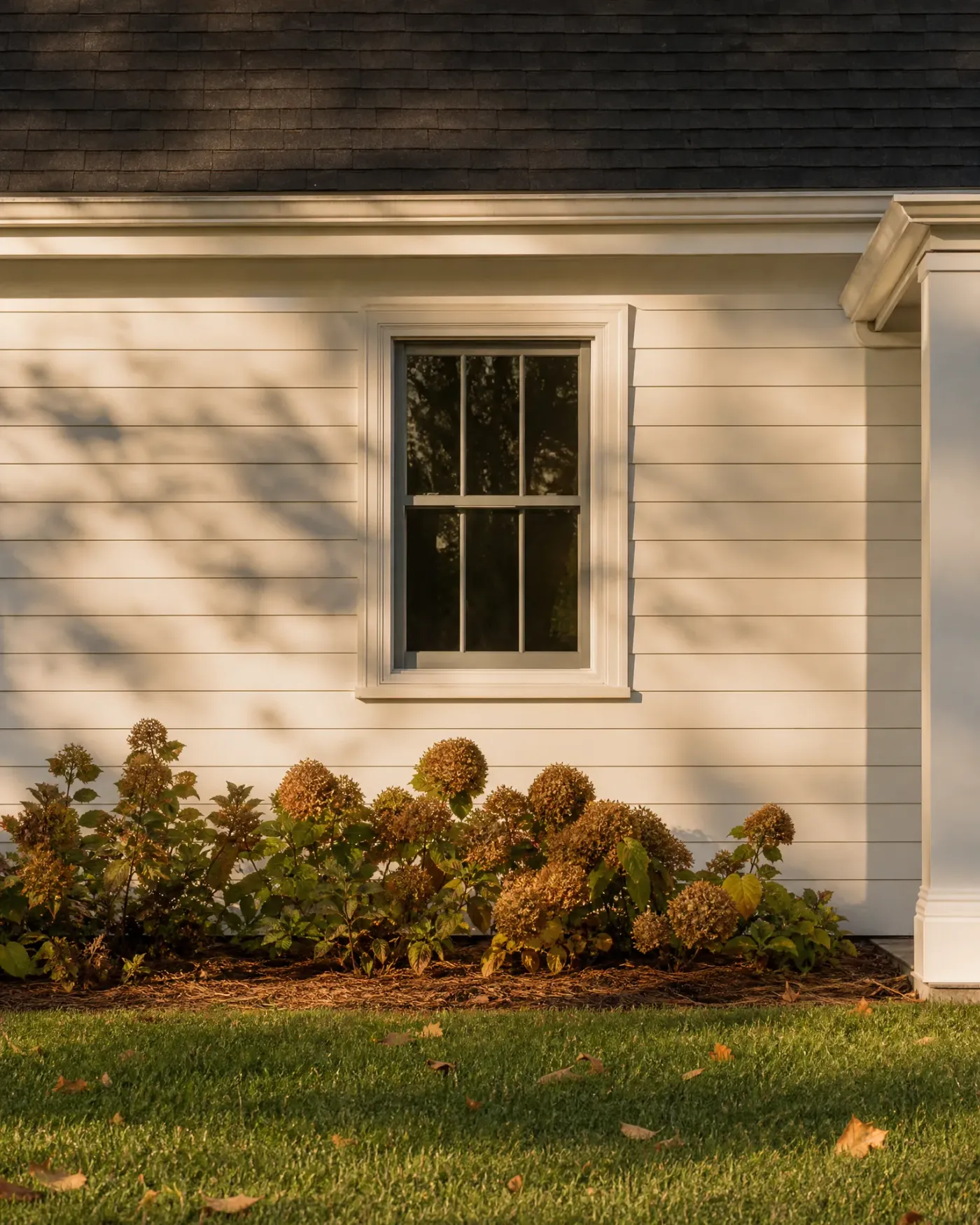
White horizontal lap siding wall with a single six-pane double-hung window, above a mulched bed of hydrangea shrubs with browning blooms, bordered by mown grass in low sunlight.
Interior corner with tan plaster walls, a potted olive tree in a large terracotta urn beside a floor-to-ceiling window, and a wooden bench with a beige cushion on a herringbone brick floor partly covered by a woven jute rug.
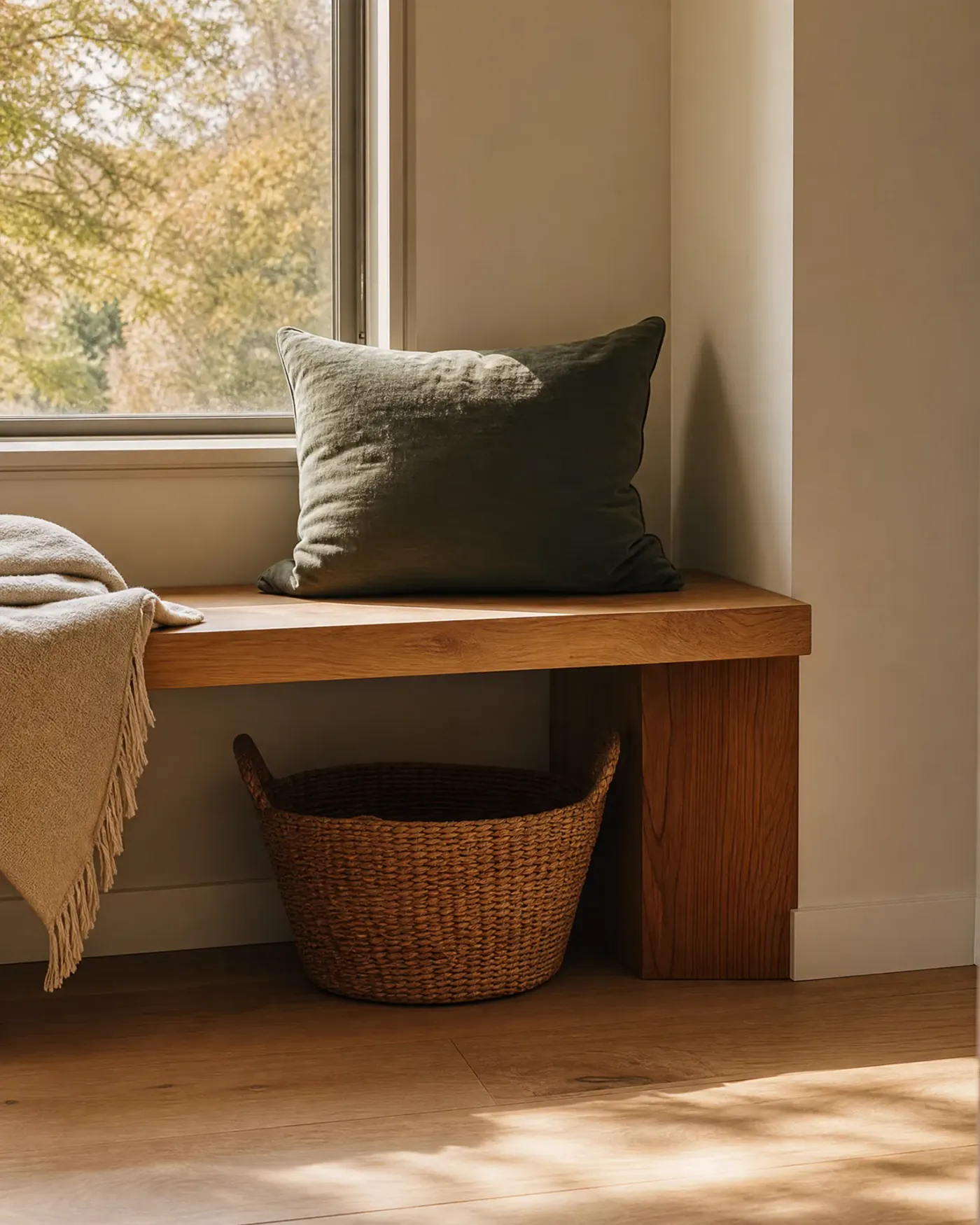
A wooden bench beneath a window holds a green linen cushion and a fringed cream throw, with a woven basket stored underneath on a wood plank floor.

One request and it's handed off

The pro who reaches out is licensed in Iowa.

Get a licensed local pro

No charge to send it. You decide if you hire them.