Is a heat pump enough for winter in Davenport, IA

Get in touch with a local installer about a new heat pump.

Find a pro near me

Will a heat pump keep my house warm during Davenport winters?

A lot of homeowners in the Davenport area hear mixed things about heat pumps and cold weather. You've got one, or you're thinking about putting one in, and January here gets well below freezing for weeks at a stretch. You want to know if it'll actually keep the house warm, or if you'll be shivering through February wondering why you spent the money.

On its own, usually not through the coldest stretch

A heat pump pulls heat out of outside air, and the colder that air gets, the less heat it has to give up. Once temperatures drop into the teens and below, which happens for real stretches of a Davenport winter, most heat pumps lose enough capacity that they can't keep pace with the house on their own. That's why almost every heat pump installed around Scott County is paired with a gas furnace as backup, since most homes here already heat with gas. The system runs on the heat pump when it's efficient to, then switches over to the furnace when it's too cold for the heat pump to keep up. Set up that way, you stay warm the whole winter and still get the heat pump's savings most of the season.

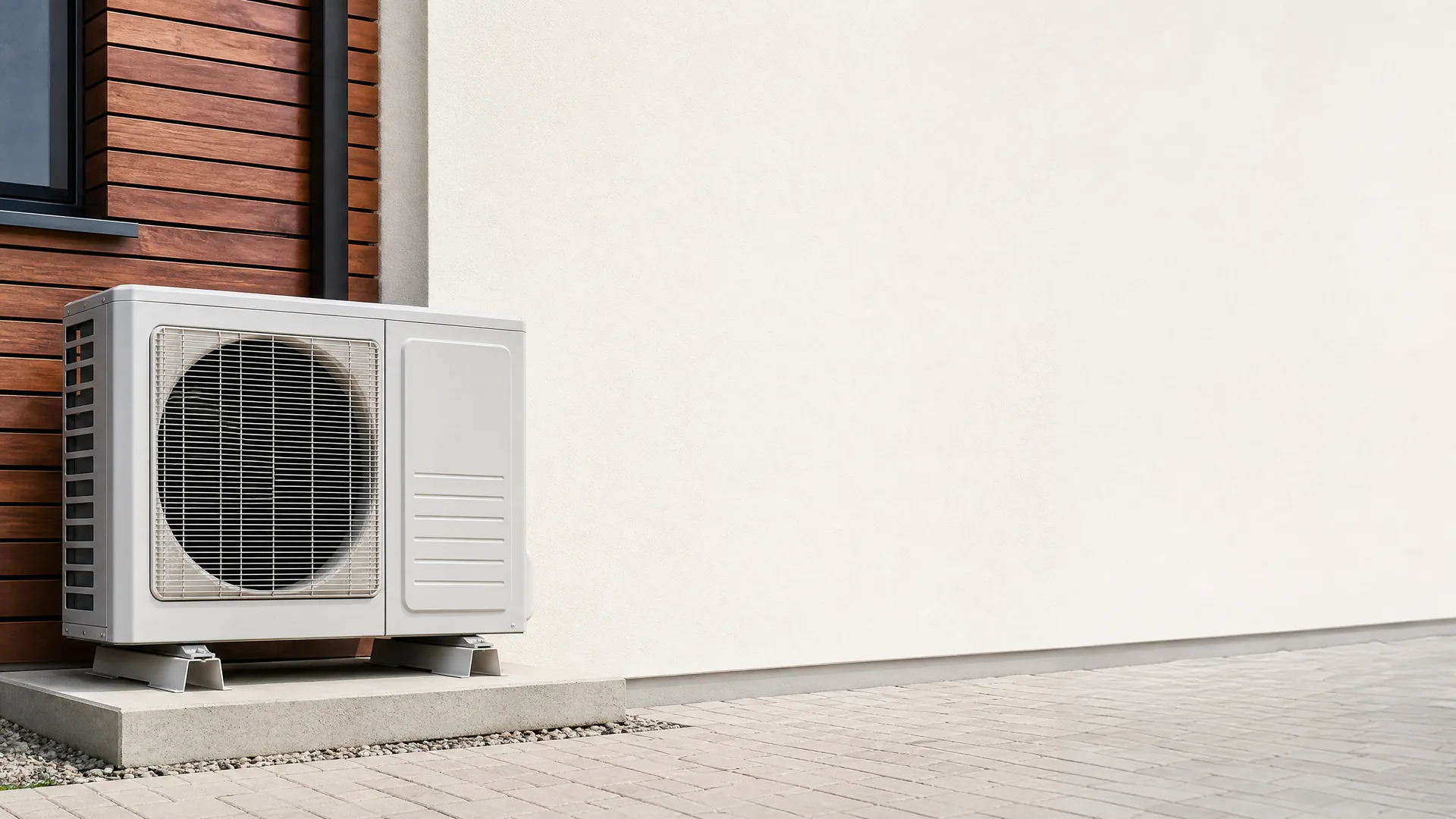
A white outdoor heat pump unit on a concrete pad beside a house with wood-slat siding and a large plain light-colored stucco wall, with paving stones in the foreground.

Why cold air still has heat in it

A heat pump moves heat from outside air into your house. It doesn't burn fuel to make heat. Even at 10 degrees, outside air still holds some heat, and the unit pulls it in and compresses it to raise the temperature before pushing it through your ducts. The colder it gets, the harder the system has to work to pull out what's left. That's why output drops as the temperature falls, even though the unit is running the same as always.

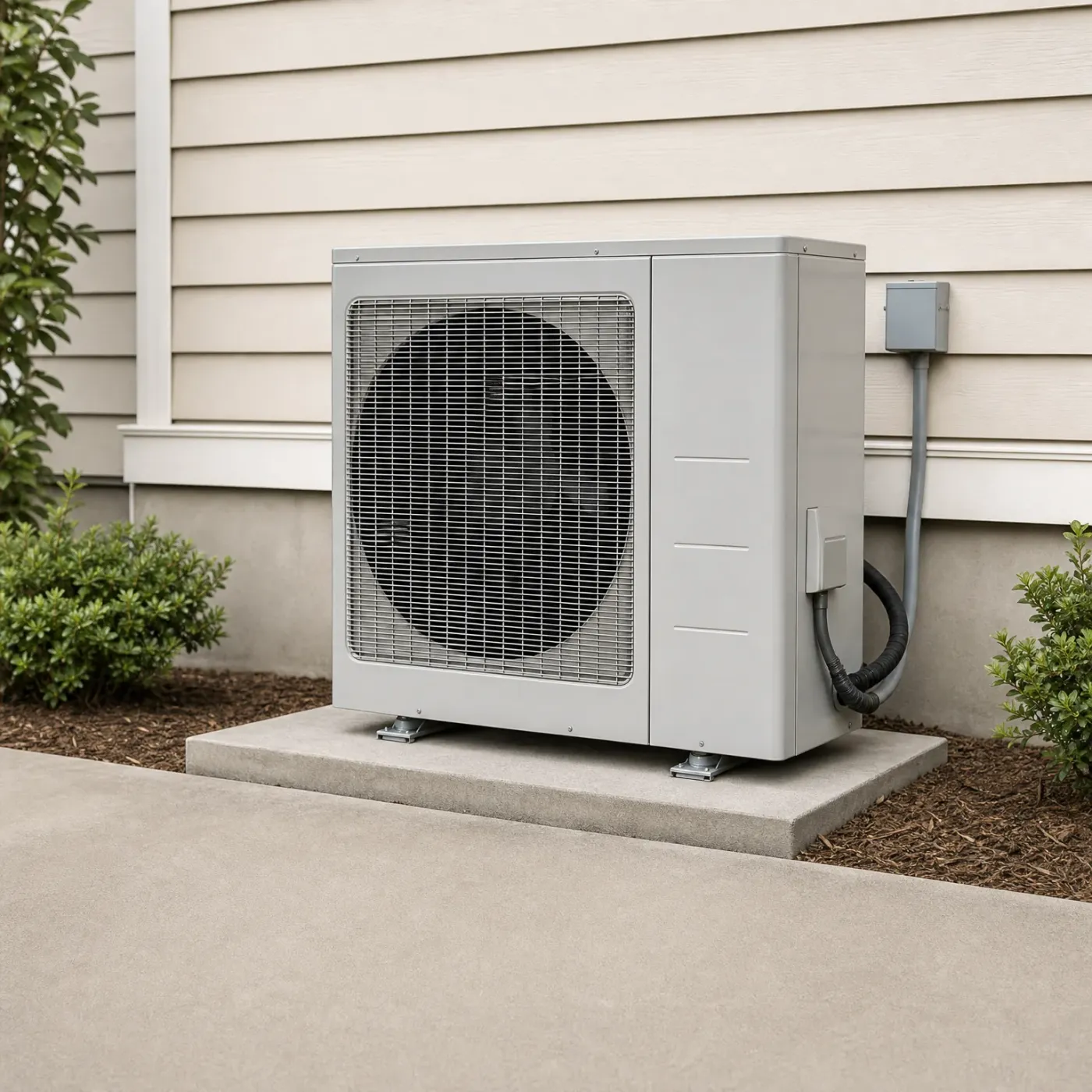
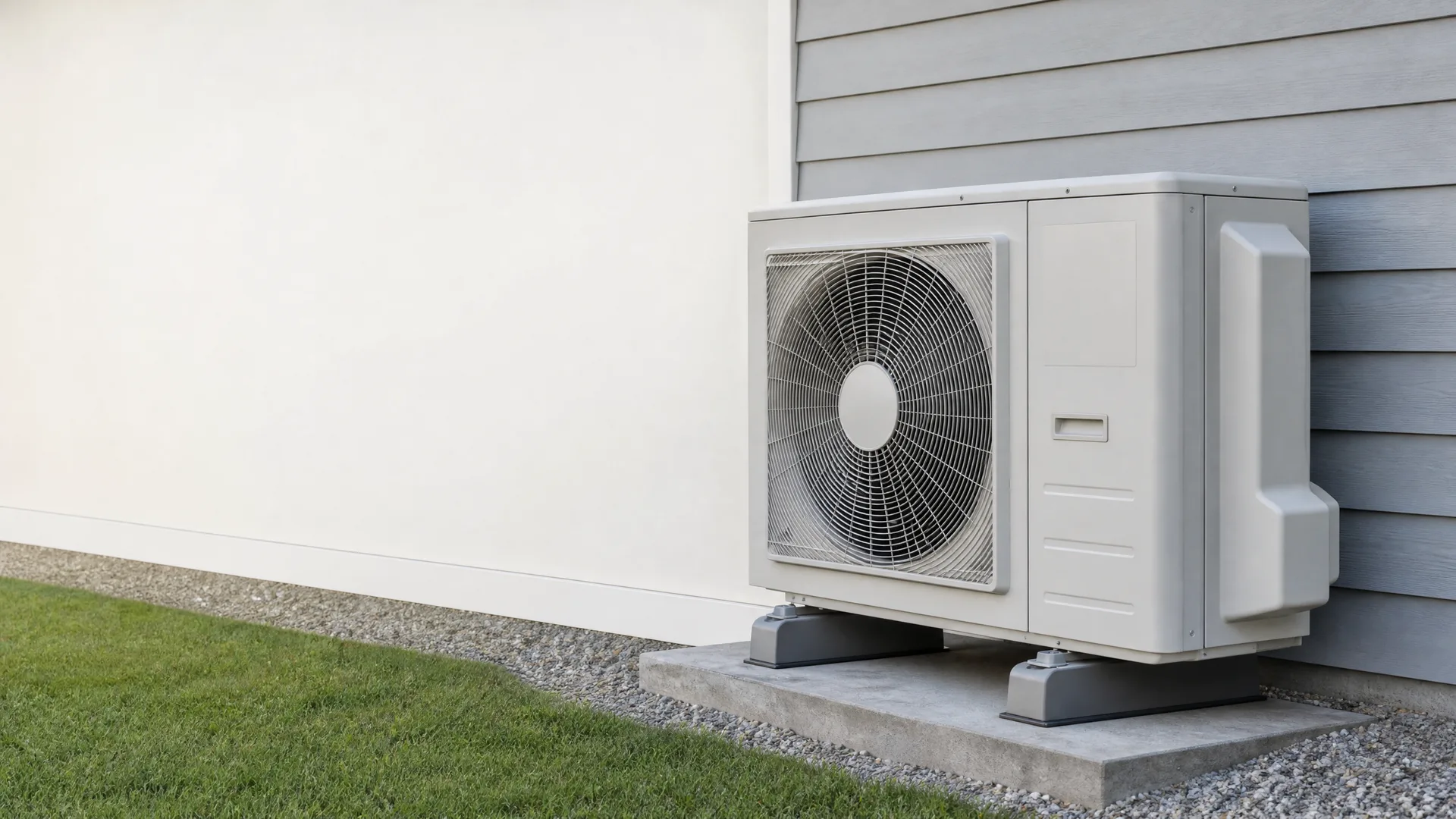
A white outdoor heat pump unit on rubber feet sits on a concrete pad beside a gray-sided house wall, next to a smooth light wall, gravel strip and lawn.

What happens when it can't keep up

Most heat pumps in Scott County are paired with a backup heat source, usually a gas furnace, through what's called a dual fuel setup. When outdoor temperatures drop below the point where the heat pump can heat efficiently on its own, the system switches over and the furnace takes over. You don't have to do anything for this to happen. It's built into the thermostat and controls, and it's the reason most homes here run a heat pump without losing heat on the coldest nights.

How cold does it actually get, and for how long?

  • Winter nights average 17°F

    Those December, January and February nights average 17°F, and that's the range where a heat pump has to work hardest to keep up.

  • Heat runs October through May

    Heat is on in Scott County from October through May. Eight months is most of the year your heat pump carries the load alone.

  • Cooling runs June through August

    Cooling only runs June through August here. The same unit that struggles on the coldest nights handles summer with room to spare.

NOAA nClimDiv 1991-2020

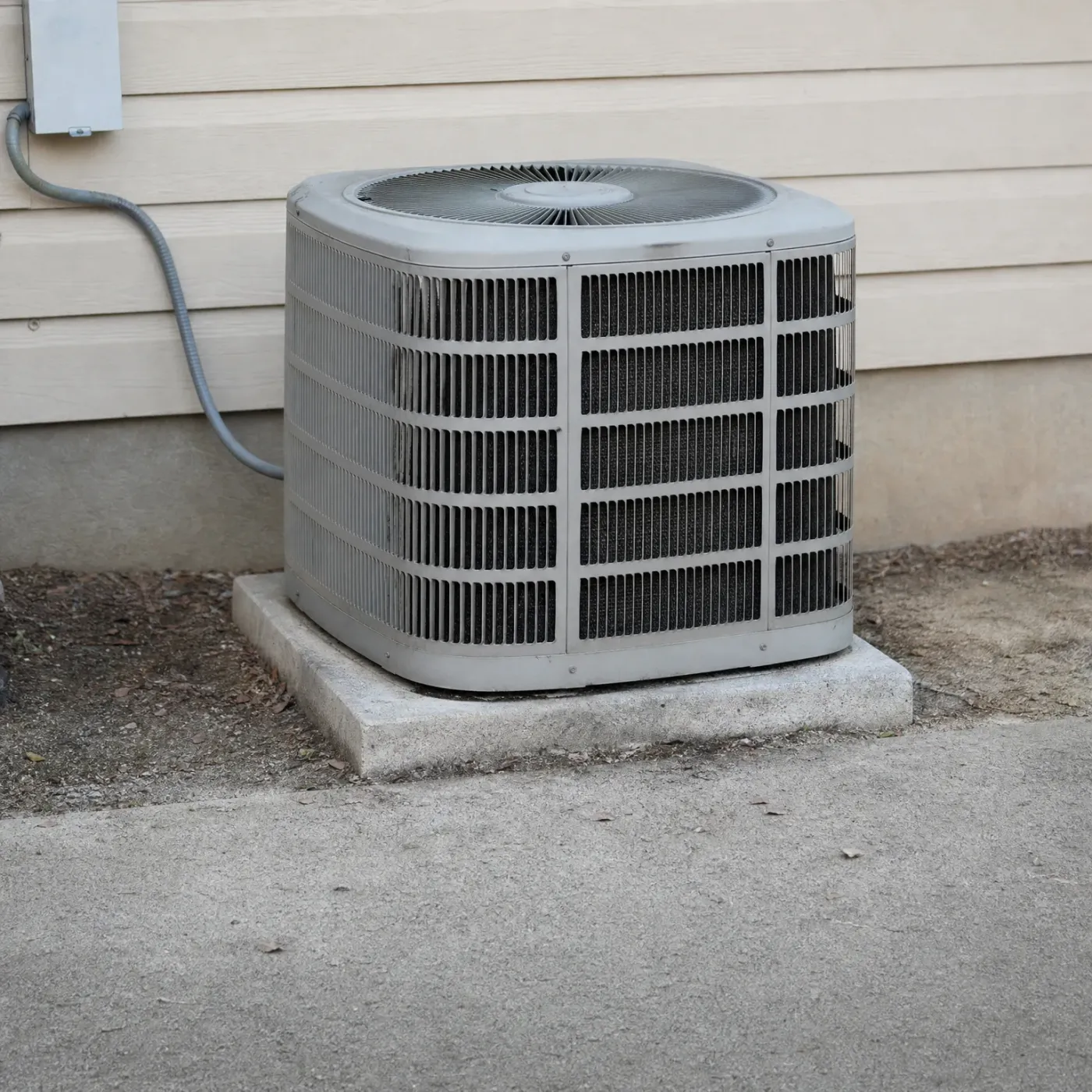
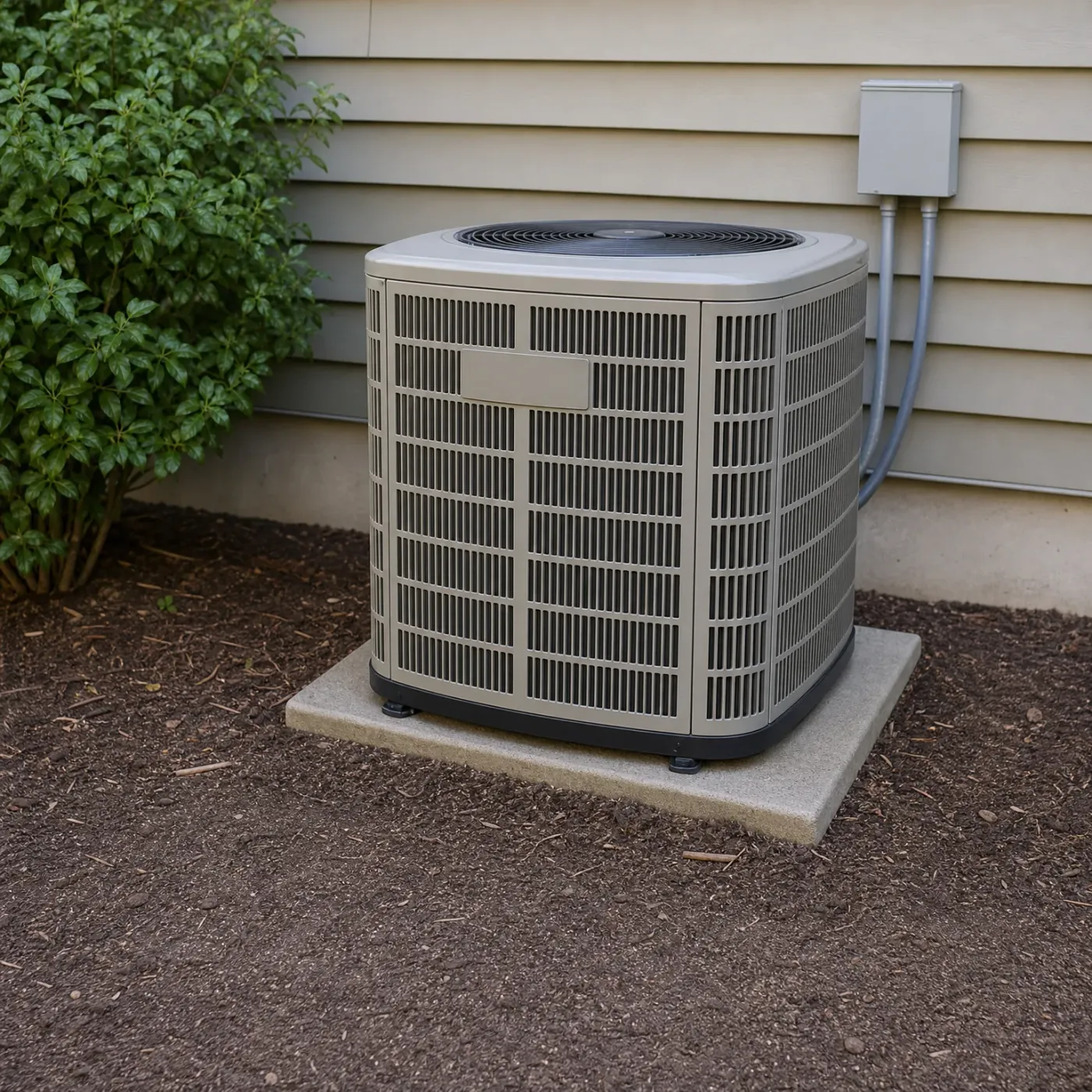
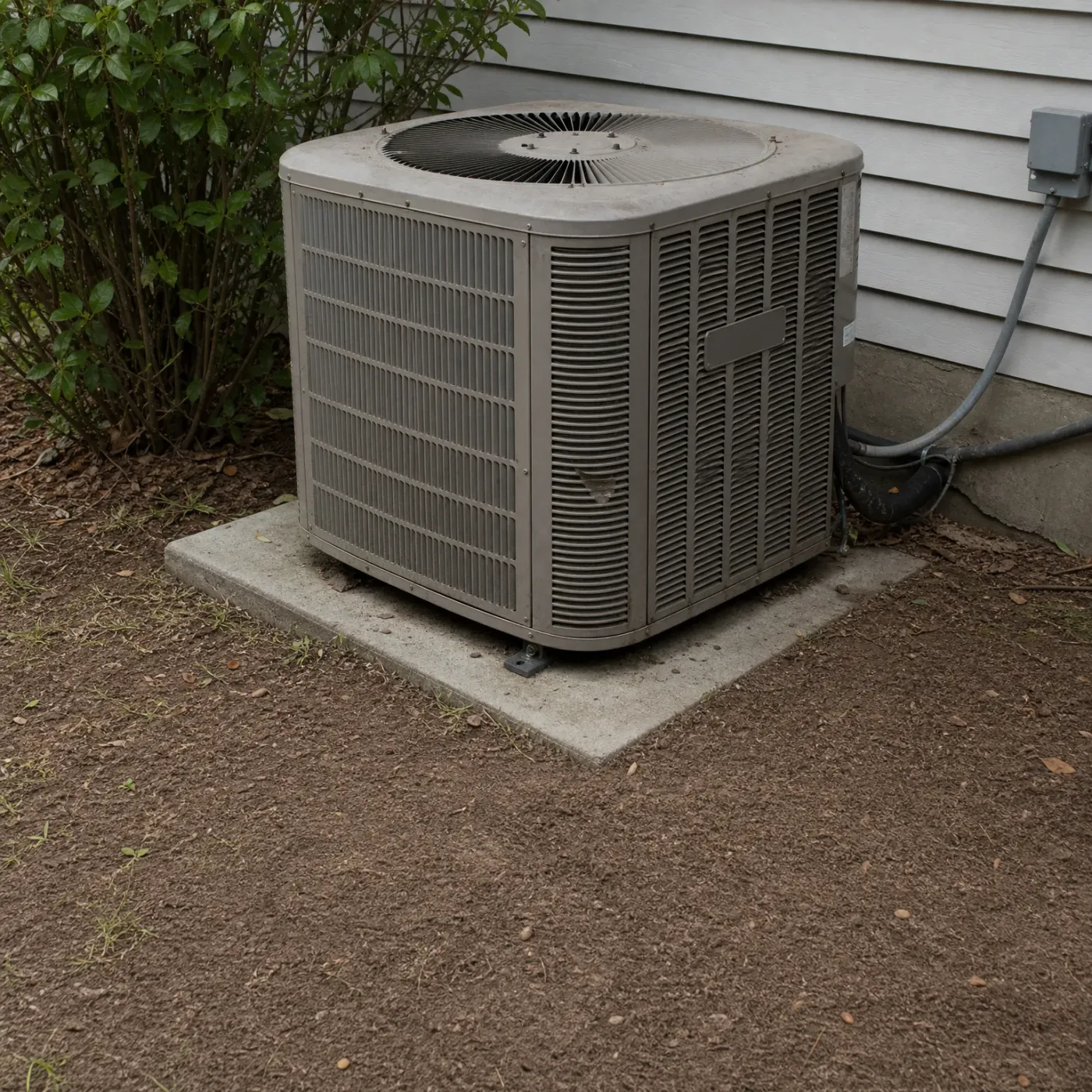
A beige outdoor air conditioning condenser unit on a concrete pad beside a house with horizontal vinyl siding, with refrigerant lines and a disconnect box on the wall, surrounded by dark mulch and a green shrub at left.

Running on its own

Above 25 or 30 degrees, a heat pump handles the house by itself. It cycles on, pulls heat from the outside air, and the vents run warm. No backup kicks in because none is needed yet. This is most of the heating days here, not the exception.
An outdoor air conditioner condenser unit on a concrete pad beside a house with horizontal lap siding, with a shrub to the left, bare dirt in front, and conduit and a metal disconnect box on the wall.

Struggling in deep cold

When Scott County drops into the teens or lower, the unit runs longer and the air coming out feels cooler than usual. That's the point where backup heat should be taking over. If it isn't, or the house still can't hold temperature, that's worth having checked.

Why does the air feel cool coming out of the vents?

On a cold Davenport night, a heat pump puts out air that's warm compared to the room, not hot like a gas furnace would. Hold your hand up to the vent and it might feel lukewarm instead of hot, and that's normal, not a sign anything's wrong. What matters is whether the house holds its temperature. If the thermostat keeps dropping a degree or two below the setpoint on the coldest nights, or the backup heat is running most of the time instead of kicking in occasionally, the system might be undersized or losing ground. Ice building up on the outdoor unit that doesn't clear during the defrost cycle is worth a look too. Left alone, a system that's straining can mean higher bills and rooms that never quite catch up.

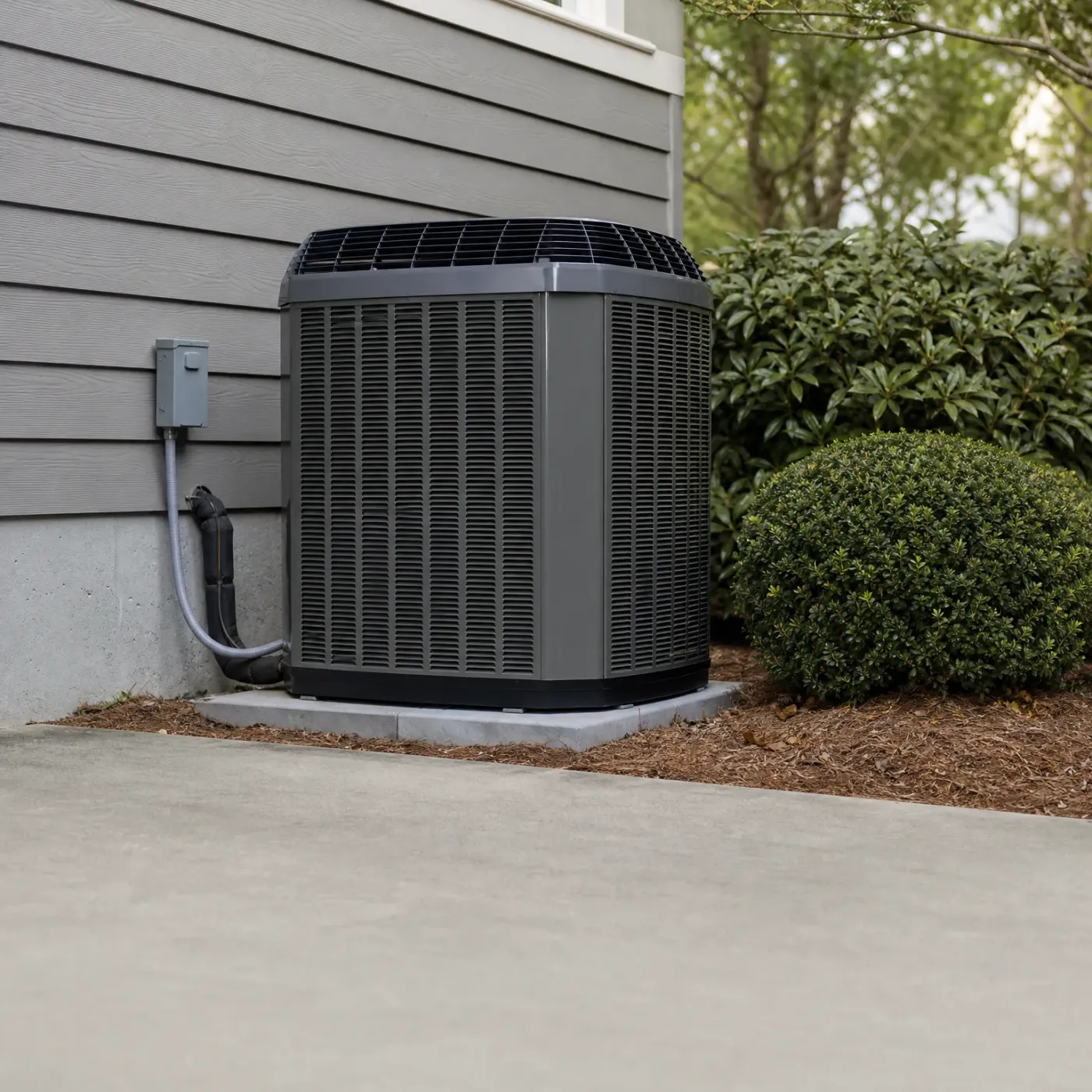
An outdoor condenser unit on a concrete pad beside a gray lap-sided house, with an electrical disconnect box and conduit on the wall and shrubs with mulch to the right.

A heat pump kept up with maintenance

The coils stay clean and the unit pulls air through freely, so it doesn't have to work as hard to pull heat out of cold air. A unit set up like this, pad clear, lines intact, keeps the house at temperature through the coldest nights.

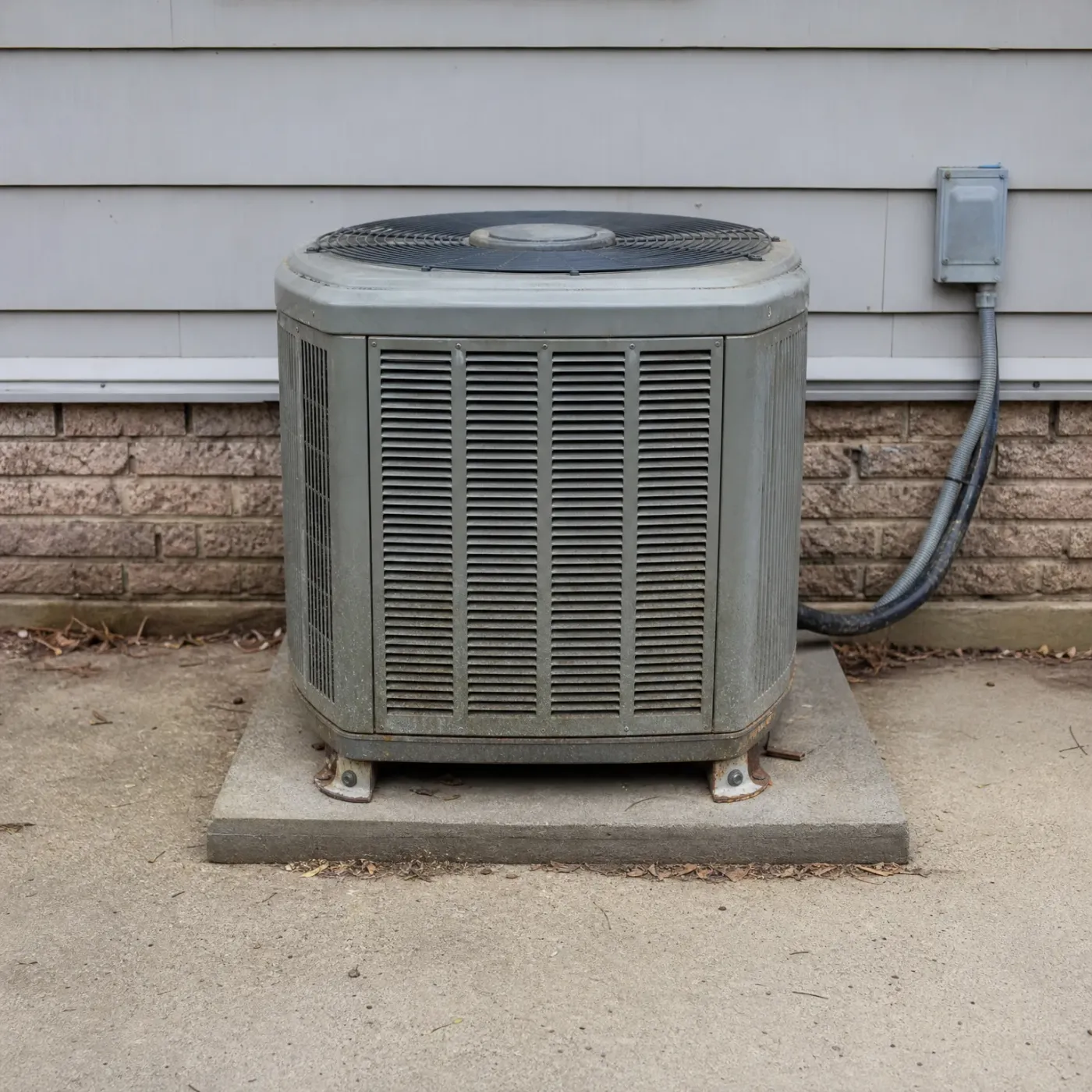
An outdoor air conditioning condenser unit on a concrete pad beside a house with horizontal siding above a brick foundation, with a flexible conduit running to a wall-mounted disconnect box.

A heat pump left to collect dust

Dust and grime on the outdoor coil block the airflow a heat pump depends on to draw heat from the air. When that buildup sits for a season or more, the unit has to run longer to do the same job, and on the coldest nights it may not keep up at all.

Heat Pump Alone or Paired With a Furnace

Heat pump alone

  • On its own, a heat pump handles most days through the fall and spring without any help.
  • When the outdoor temperature drops into the teens, the unit has to run longer to pull the same heat out of the air.
  • Backup heat is built into the system to cover the coldest stretches of a Davenport winter.
  • A well maintained unit, coils clean, airflow clear, keeps up longer into the cold before it needs the backup to step in.
  • Air out of the vents stays warm, not hot, even when the heat pump is working its hardest.

Heat pump plus furnace

  • A furnace burns gas to produce heat, so it isn't limited by how cold the outside air gets.
  • Most homes in the Davenport area already have a gas furnace installed alongside the heat pump for this reason.
  • The furnace is set to take over once the outdoor temperature drops below where the heat pump can keep up on its own.
  • Vent air from the furnace runs hot, which is noticeable right after the system switches over.
  • Heat is on in Scott County from October through May, and the furnace carries the harder, colder months inside that stretch.
A gray-haired, bearded man in a dark coat dusted with snow stands smiling in a dimly lit room with a lamp, mirror, framed art, and a sofa in the background.
An older man with white hair and a beard, wearing a dark snow-dusted coat and scarf, stands in a warmly lit interior hallway with a framed landscape picture, a table lamp and a potted plant behind him, and a snowy view through a window at left.
An older man in a dark snow-flecked overcoat and scarf stands smiling in a warmly lit home entryway, with a glass-paned door showing darkness outside and a lamp-lit room visible through a doorway behind him.
An older man with gray hair and a beard, wearing a dark snow-dusted jacket and scarf, stands smiling in a warmly lit interior hallway with a lit table lamp, a vase of dried branches, and a framed picture in the background.

Matched to your heat pump job

One request ends the search for a heat pump installer.

You only hire the pro if you want to.

A heat pump doesn't heat in one step. The outdoor unit has a reversing valve, and that's what switches the system from summer mode to winter mode, sending the refrigerant through the coils in the opposite direction. In winter, the outdoor coil becomes the one pulling in heat, and the indoor coil becomes the one releasing it into your ductwork. That valve is also what lets the unit defrost itself. When frost builds up on the outdoor coil on a cold, damp night, the system reverses briefly, runs warm refrigerant through that coil to melt the frost, and you'll sometimes see steam coming off the outdoor unit during that cycle. It's not malfunctioning. A furnace has one job and one direction of airflow. A heat pump's compressor and reversing valve are doing more, which is also why the parts worth asking a contractor about, on an install, are the compressor and that valve.

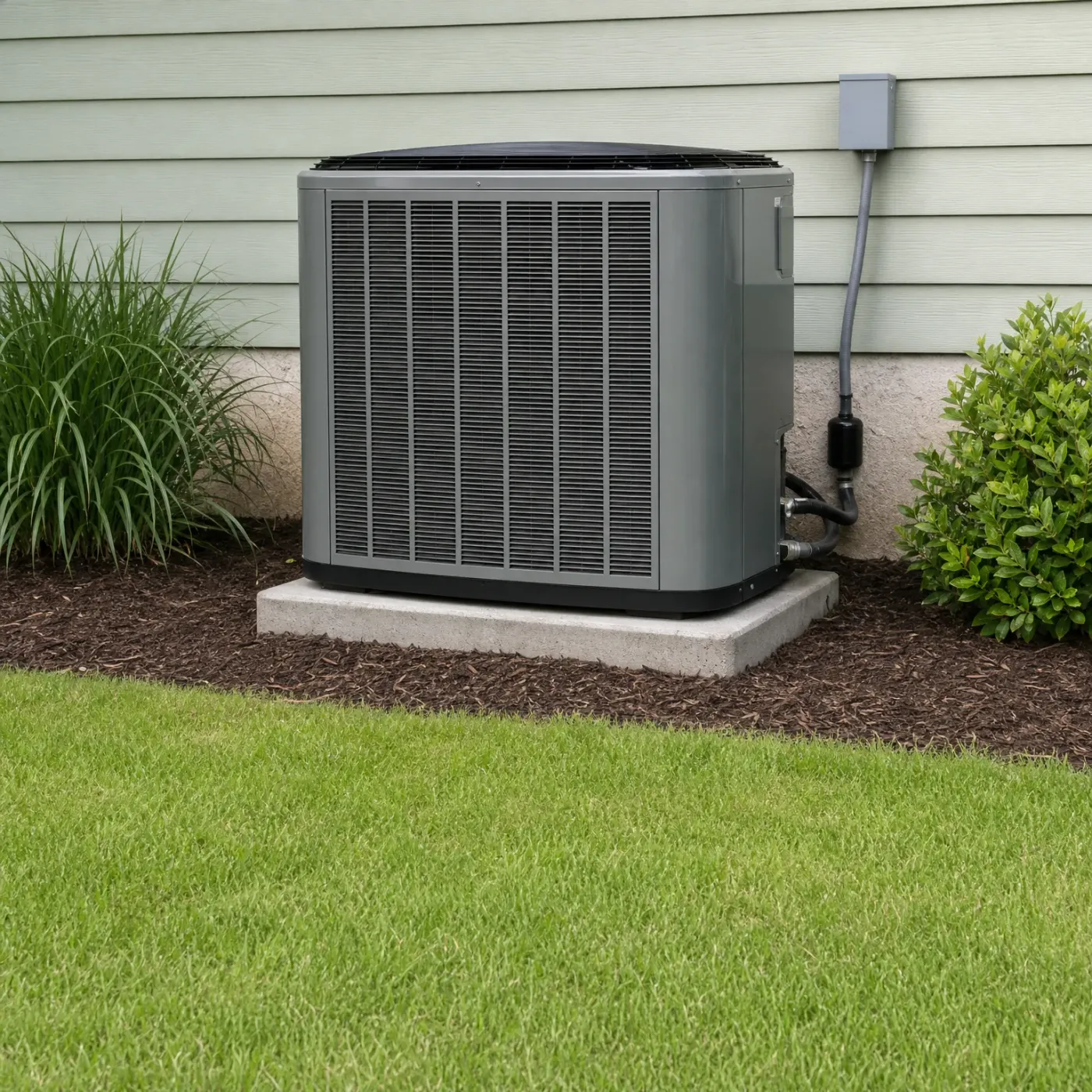
A gray outdoor condenser unit on a concrete pad beside a light-green sided house, surrounded by mulch, ornamental grasses and a shrub, with mowed lawn in the foreground.
A clear pad and clean coil let the unit pull in outside air without a fight, even when it's cold.
A gray outdoor air conditioning condenser unit on a concrete pad beside a house with light vinyl siding, with a gray electrical disconnect box and conduit on the wall to the right.
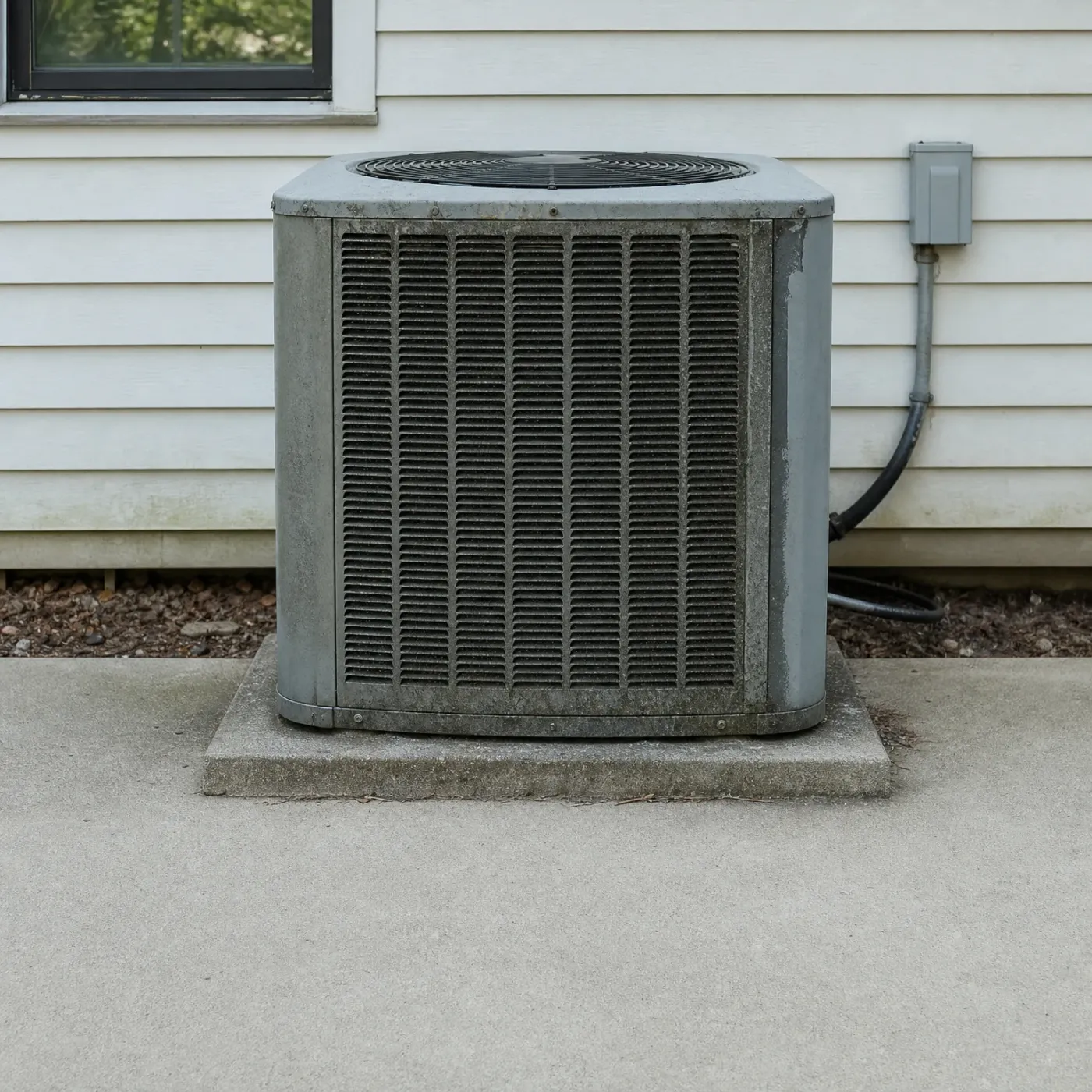
Dirt on the fins and debris around the base make the unit work harder for the same heat, and backup kicks in sooner.

Frost builds up on the outdoor coil when it's cold and damp outside, and the unit has to clear it to keep working. When that happens, the system reverses itself for a few minutes, the same way it does when switching from summer to winter, except now it's sending heat outside to melt the frost instead of bringing heat in. That's why the vents might blow cool for a minute or two on a cold night. A sensor on the outdoor unit, or a timer, decides when defrost starts and stops. Your thermostat isn't part of that decision. The outdoor fan shuts off during this process so water running off the coil drips down instead of getting blown around. Most systems bring on the backup heat for those few minutes so the air coming into the house doesn't feel noticeably cooler. If you hear the unit cycle like this several times during a cold night, that's the system doing what it's supposed to do, not a sign something's wrong.

What defrost mode is doing

  • Defrost mode runs when frost builds on the outdoor coil, reversing the cycle for a few minutes to melt it off.
  • During defrost, the unit pulls heat from inside the house briefly, which is why you might feel a cool draft from the vents.
  • A sensor or timer tells the system when to start and stop defrost, not the thermostat in the house.
  • The outdoor fan stops during defrost so the melted frost can drip off instead of blowing back onto the coil.
  • Backup heat often kicks in for those few minutes so the house doesn't feel the dip in warm air.
  • Short defrost cycles several times on a cold night are normal and don't mean the unit is struggling.
An outdoor air conditioner condenser unit on a concrete pad beside a house with beige horizontal siding, with conduit running from an electrical box on the wall.
Before you get your heat pump installation
A gray outdoor heat pump unit on a concrete pad beside a house with horizontal lap siding, connected by conduit and a flexible line to a wall-mounted disconnect box, with low shrubs and mulch nearby.
After you get your heat pump installation

Heat pump only

On nights near 17°F the unit runs long cycles and still loses ground. Rooms farthest from the air handler cool off first, and the house struggles to hold its set temperature.

Request a pro

Heat pump with backup

When the outdoor coil can't keep up, backup heat engages and carries the load until temperatures climb again. The house holds temperature through the coldest Scott County nights.

Request a pro

Power here costs 12.22 cents per kilowatt-hour

At 12.22 cents per kilowatt-hour, running the backup heat strip on a cold night costs less here than it would in most places. That's worth knowing before you assume a heat pump is too expensive to keep up with a Davenport winter. The strip is there for the nights your unit needs the help, and using it isn't the drain you might expect.

EIA-861 2025

A man in a dark blue shirt stands in an open front doorway of a stucco and wood-clad house, facing a blond woman seen from behind in the foreground on a stone walkway.

So, is a heat pump enough for a Davenport winter?

On its own, a heat pump covers most of the year here without strain. Once nights settle into the teens, it needs backup to hold the house at temperature, and that's by design, not a sign anything's wrong. A system with working backup heat and clean coils gets through a Scott County winter the same way a furnace does, just by a different route.

If you're not sure your heat pump is set up that way, that's worth checking before the cold settles in for good. A contractor who works on heat pumps in this area can look at what you have, tell you whether the backup is sized right for your house, and take care of what needs fixing or installing. Answer a few questions about your situation and one will reach out to you directly.

A dark ceramic mug on a round wooden table beside a light grey sofa with a woven cushion and knit throw, with a window, potted plant, floor lamp and wooden cabinet blurred in the background.
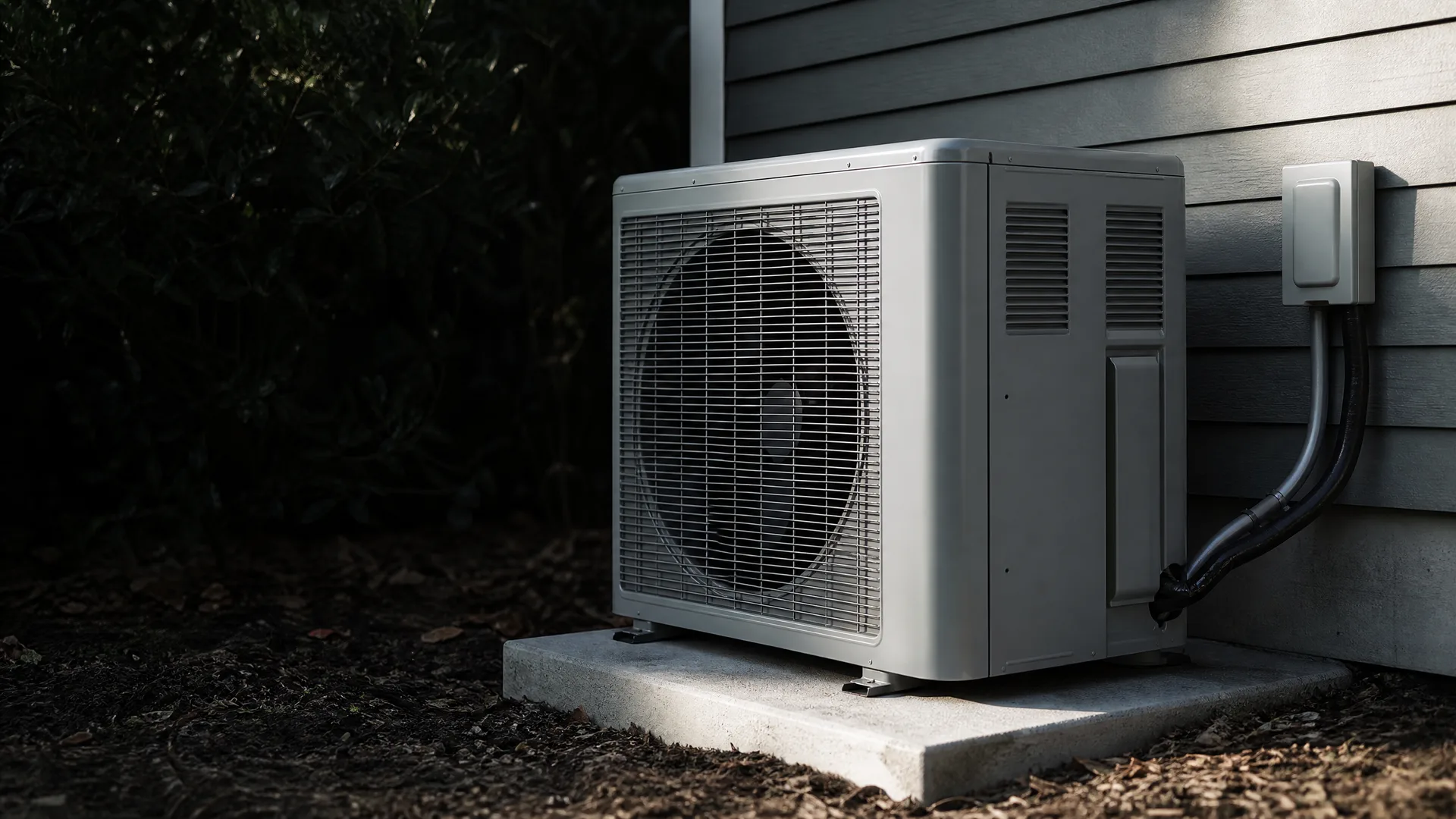
An outdoor air conditioning or heat pump condenser unit on a concrete pad beside a gray horizontal-sided house, with a disconnect box and conduit on the wall and dark shrubbery to the left.

Get matched with a heat pump pro in Scott County

Step 1 of 3: Equipment