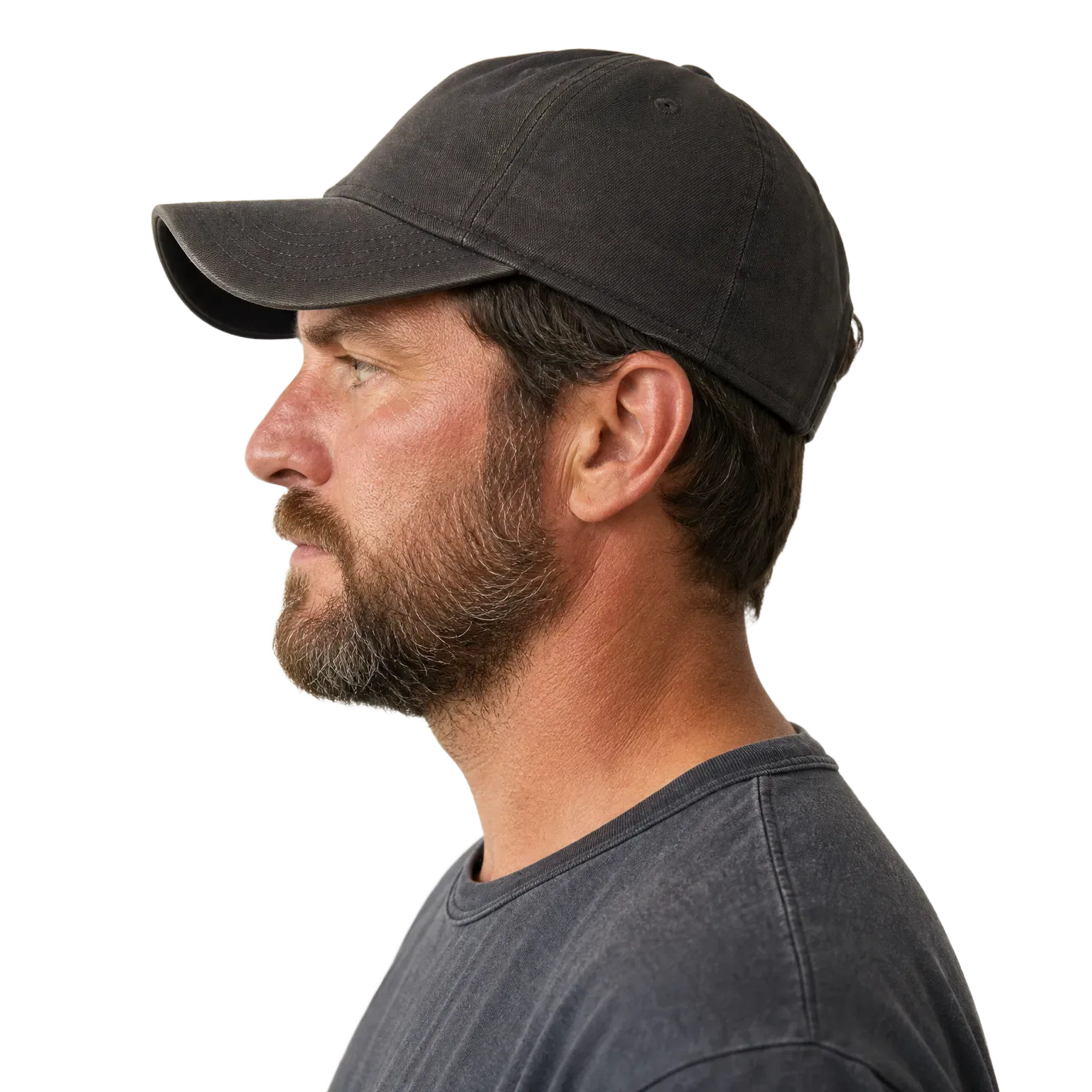
Is a heat pump enough for winter in Newton, IA
A heat pump alone struggles once Jasper County temperatures drop into the teens and below, which happens regularly during a Newton winter. Below that range, the outdoor air has too little heat left to pull, and the unit's output drops off right when you need it most. That is why most heat pump setups here pair with a backup, usually a gas furnace or electric strip heat, that takes over on the coldest days. The heat pump still does most of the work, since Iowa winters have plenty of days above freezing where it runs efficiently on its own. The furnace or backup coil kicks in automatically when the outdoor temperature falls too far for the heat pump to keep up, so you are not left with a cold house. If your system does not have that backup, or if it is not switching over correctly, that is worth having checked before the next cold snap. A heat pump installed and set up correctly for this climate, with the right backup paired to it, covers a Newton winter completely.




A heat pump works by pulling heat out of the outdoor air and moving it inside, which is why it uses less fuel than a furnace in mild weather. The colder it gets outside, the less heat there is to pull, so the unit runs longer to deliver the same warmth. In a two-system setup, there's a point where the heat pump hands the job off to the furnace. That's the balance point, set during installation based on the equipment and your house. Above it, the heat pump carries the load. Below it, the furnace takes over, since it can produce heat regardless of how cold the air outside gets. Get that balance point wrong and you'll notice it: the system either cycles on and off too often on milder days or calls on the furnace more than it should even when the heat pump could still handle it. Cold, damp days bring another wrinkle. Frost builds on the outdoor coil, and the system runs a defrost cycle to melt it off before it blocks airflow and cuts into performance.
How a heat pump and furnace split the work
- A heat pump moves heat from outdoor air into your house instead of burning fuel to make it.
- As the outdoor temperature falls, the unit has to run longer and work harder to pull the same amount of heat inside.
- Most heat pumps paired with a furnace switch over to gas automatically once the outdoor air drops below a set point.
- That switch point is called the balance point, and below it the furnace carries the heating load on its own.
- A unit sized or set up wrong will either short cycle on mild days or lean on the furnace more than it needs to.
- The outdoor coil collects frost in cold, damp weather and runs a defrost cycle to clear it before it can block airflow.
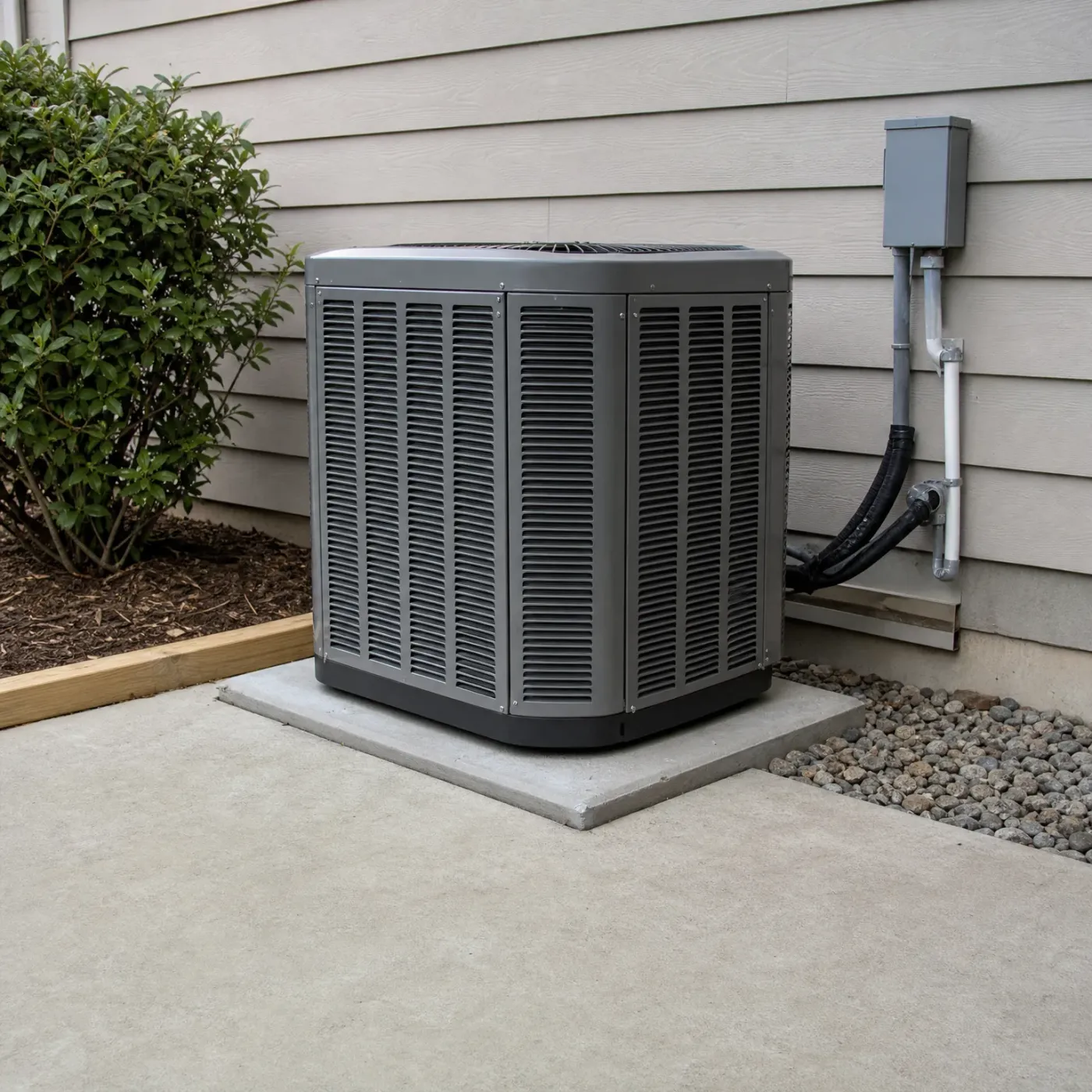
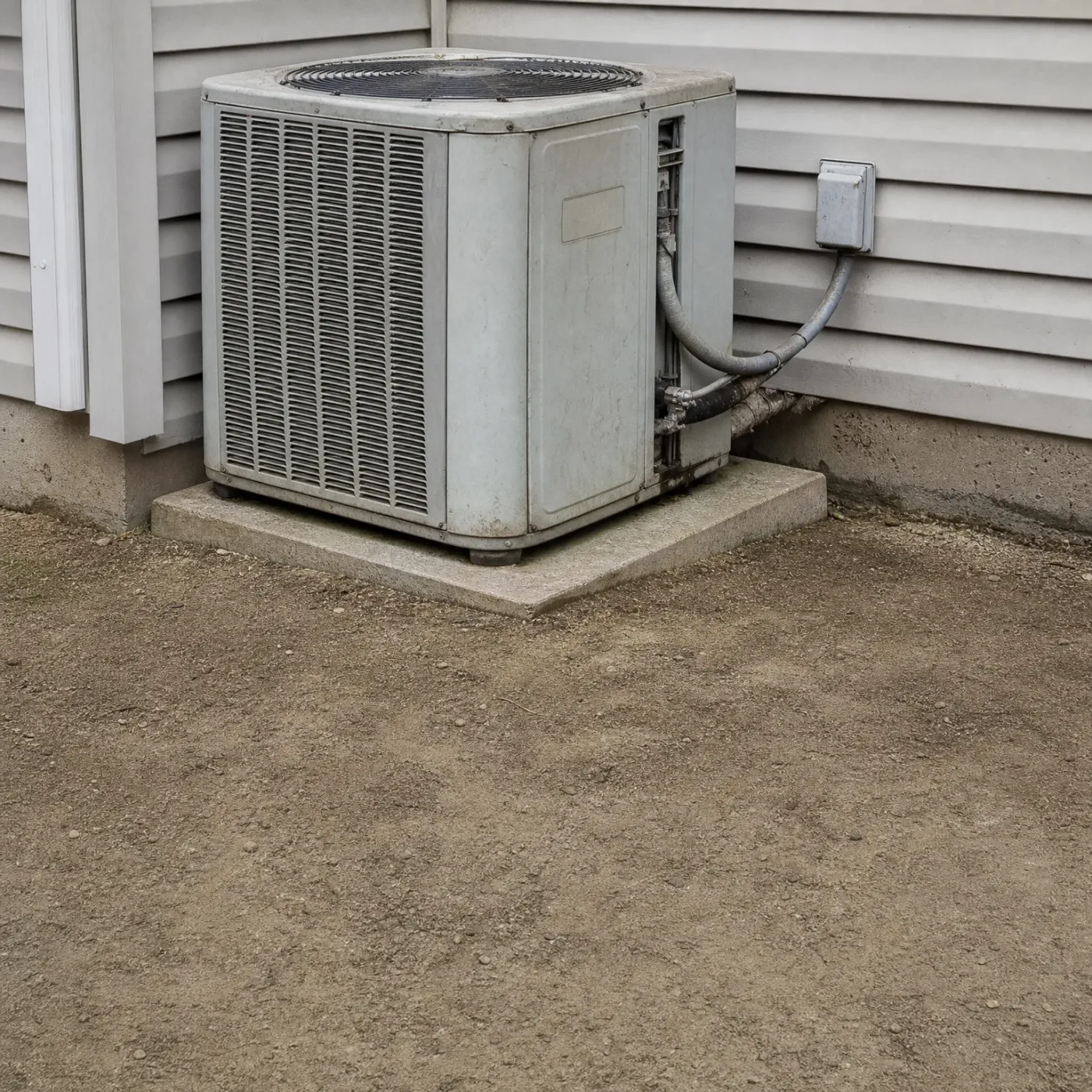
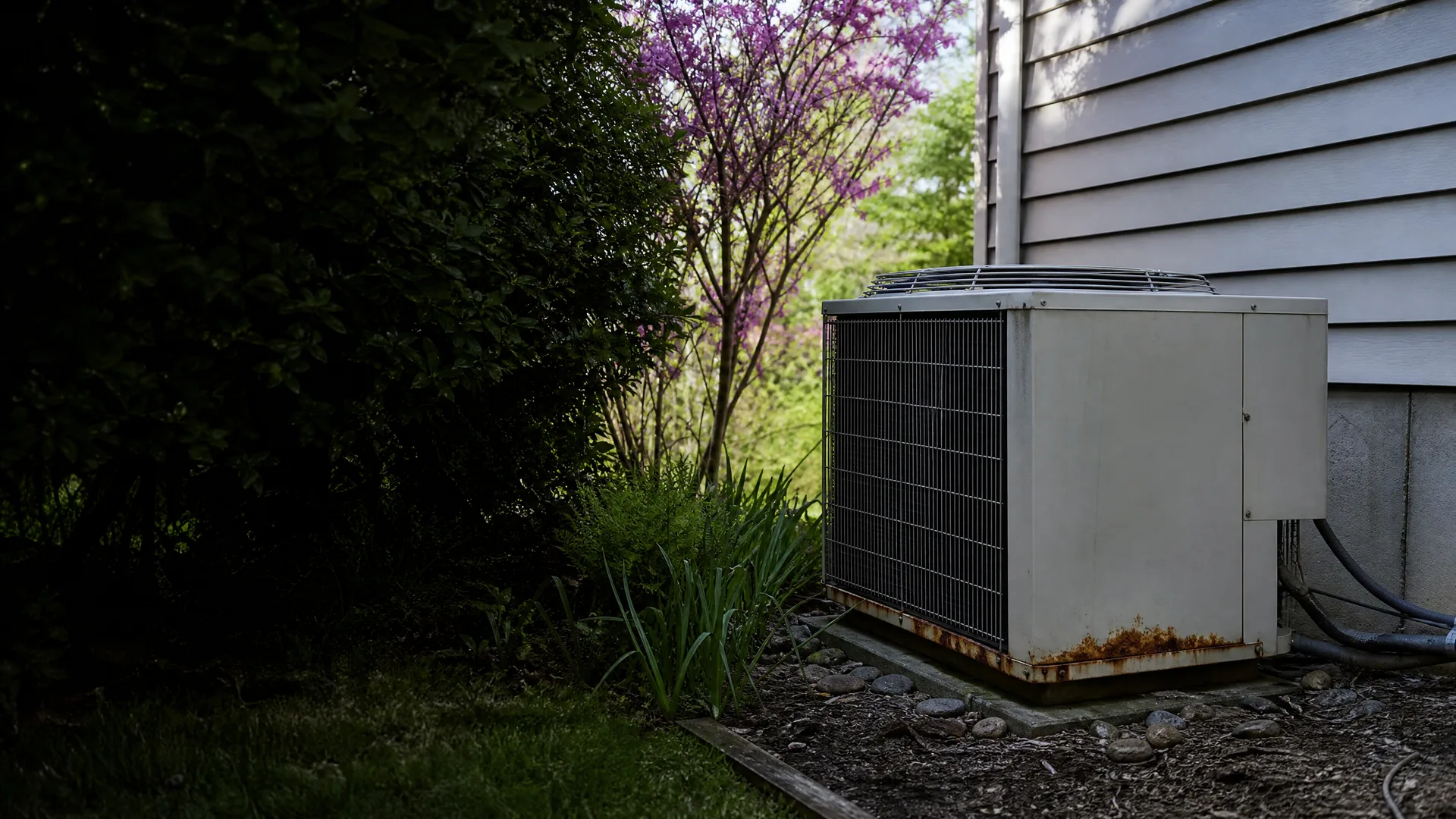
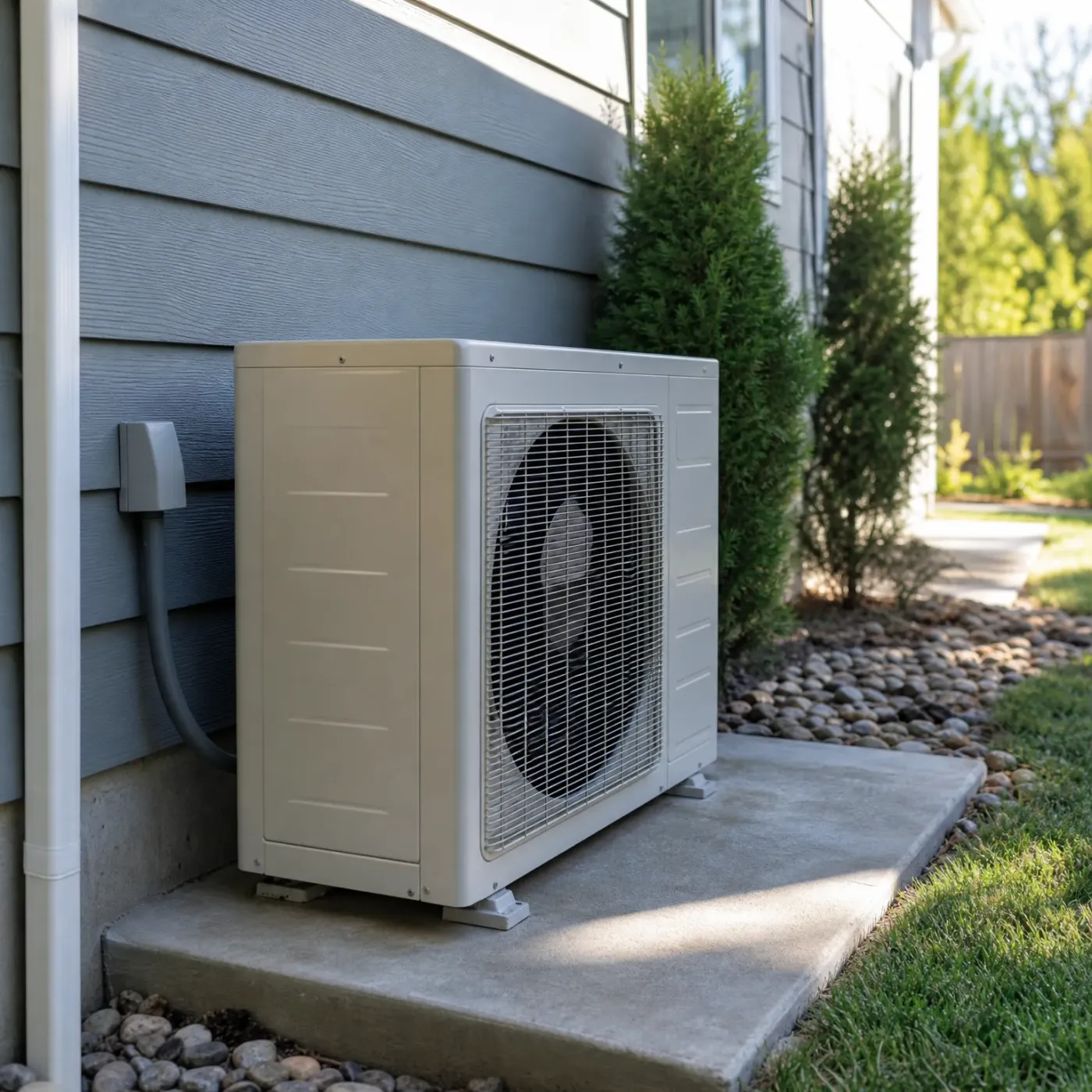
You walk around the side of the house in March to check the unit before the warm days end for the year. The cabinet is streaked where rust has worked along the base, and a piece of the housing gives a little when you press it. It ran hard all winter trying to keep up on the cold mornings, and it shows. You're not sure if it's still pulling its share or if the furnace has been doing most of the work without you knowing. Rather than wait to find out next winter, you send off the request and let someone who works on these year-round tell you what shape it's really in.
Stop chasing a heat pump pro

A licensed installer who works in Jasper County gets your project.
It costs nothing to send, and you don't have to hire anyone.
Why a backup furnace matters here
A heat pump and a furnace in the same system share the work by temperature, not by schedule. The thermostat reads the outdoor air and decides which one answers. Above the mid-30s, the heat pump handles it. Once Jasper County drops into the teens and lower, the furnace takes over, because at that point it can put out more heat for less run time than the heat pump can pull from the air. That handoff is built into the control board. It happens on its own, several times in the same week if the weather swings, and neither unit has to work past what it was sized for.
What a mismatched system looks like
A heat pump sized for a smaller space, or a furnace that doesn't match the heat pump's output, can still run all winter, but it runs wrong. The heat pump keeps trying past the point it should have handed off, or the furnace fires more than it needs to because the pairing was never balanced to begin with. Either way the house ends up colder than the thermostat says, or the system cycles more than it should. Getting the sizing and the pairing right is what a licensed installer in Jasper County checks before anything goes in, not something either unit can correct once it's running.
How cold does it actually get, and how long do you need heat for?
Winter nights average 16°F
Overnight lows average 16°F through December, January and February. That's deep in the range where a heat pump alone can't keep up.
Heat runs October through May
Heat runs October through May here, about eight months. That's a long stretch for a system to carry without strain.
Cooling runs June through August
Cooling only runs June through August, three months. The same unit doing double duty has a much lighter summer job than winter one.
NOAA nClimDiv 1991-2020
Where That Leaves You
- A heat pump alone falls short once Newton's lows settle into the teens, which is most of the winter here.
- A furnace paired with the heat pump picks up the load exactly when the outdoor air runs out of heat to give.
- Jasper County winters run long enough that the backup furnace is doing real work, not sitting idle for show.
- A worn cabinet or a furnace carrying too much of the load are both signs worth having a local installer look at.
- A contractor who works on these systems every winter in this area knows which failures show up first and why.
- One licensed local installer takes on the job directly, so you're dealing with a single qualified contact instead of a pile of callbacks.
A heat pump alone can't carry a Newton winter. Once the air outside gets down into the teens, there isn't enough heat left in it to pull, and that happens often enough here that the backup furnace isn't a spare part, it's doing real work for months. That's how the system is supposed to run. The question worth answering isn't whether you need a furnace alongside the heat pump, it's whether both pieces are still up to the job after what a Jasper County winter asks of them. A cabinet that's starting to rust, a furnace that's kicking on earlier than it should, a heat pump that runs long and still can't keep the house where you set it. Those are things worth having someone look at directly, not guess about.
A local installer who works on these systems every winter has seen what usually gives out first in this area, because the cold here is a known quantity to them, not a surprise. That's different from a crew that mostly works mild winters and sees a stretch like this once in a while. When you send in a request here, it goes to one licensed contractor local to the area, not a batch of companies competing for the job. You get a single qualified person to deal with, someone who already knows what a Newton winter does to this equipment before they ever see your unit.
Send one request and you're done looking
Your request goes to one pro, not a list of companies.
No charge to send it. You decide if you hire them.