 Get matched
Why your heat pump runs on emergency heat in Iowa
Describe your heat pump job, and a local pro who handles it gets in touch.
You looked outside and the unit isn't running, but the thermostat says it's heating anyway, or there's a light blinking, or your gas furnace backup seems to be the one doing all the work. Most homes in Iowa heat with gas, and a lot of those have a heat pump paired with it. Emergency heat means the system has stopped pulling heat from the outdoor air and switched to the backup. Sometimes you did that yourself with a switch. Sometimes the system did it without asking.
Either way, it's worth a look before the next cold snap settles in. Power here is cheap, but a heat pump stuck on backup heat for days or weeks isn't working the way it was set up to work, and whatever made it switch over usually doesn't fix itself.
This isn't something to sort out by trial and error, flipping switches and hoping. A heat pump that won't come off emergency heat is telling you something about the outdoor unit, the thermostat, or the wiring between them, and that calls for someone who can actually look at it.
When you send in your information here, you're not getting a quote read off a screen or a generic callback. You're getting matched with a contractor who works on heat pumps like yours, in Iowa winters like this one, and that contractor will reach out to you directly. No searching, no cold-calling three different companies to see who answers first. That part is done once you hit send.
What happens after they call is between you and them. But getting to that point, getting your situation in front of someone who knows what a stuck-on-emergency-heat system usually means, is the part this page takes off your hands.
Emergency heat means the system has given up on the heat pump and switched to backup, usually electric strips or your gas furnace, to keep the house warm. It kicks in on its own when the outdoor coil ices over and can't defrost, when the outdoor unit stops running but the thermostat still calls for heat, or when a sensor trips because refrigerant is low or a part has failed. Iowa winters push heat pumps hard. Below freezing, the outdoor unit works harder to pull heat from the air, and if something is already wrong, that cold is what tips it into backup mode. The furnace or strips will keep the house warm, but they cost more to run than the heat pump, and they're not built to carry the whole winter alone. If emergency heat stays on for more than a day, something in the heat pump needs a look.
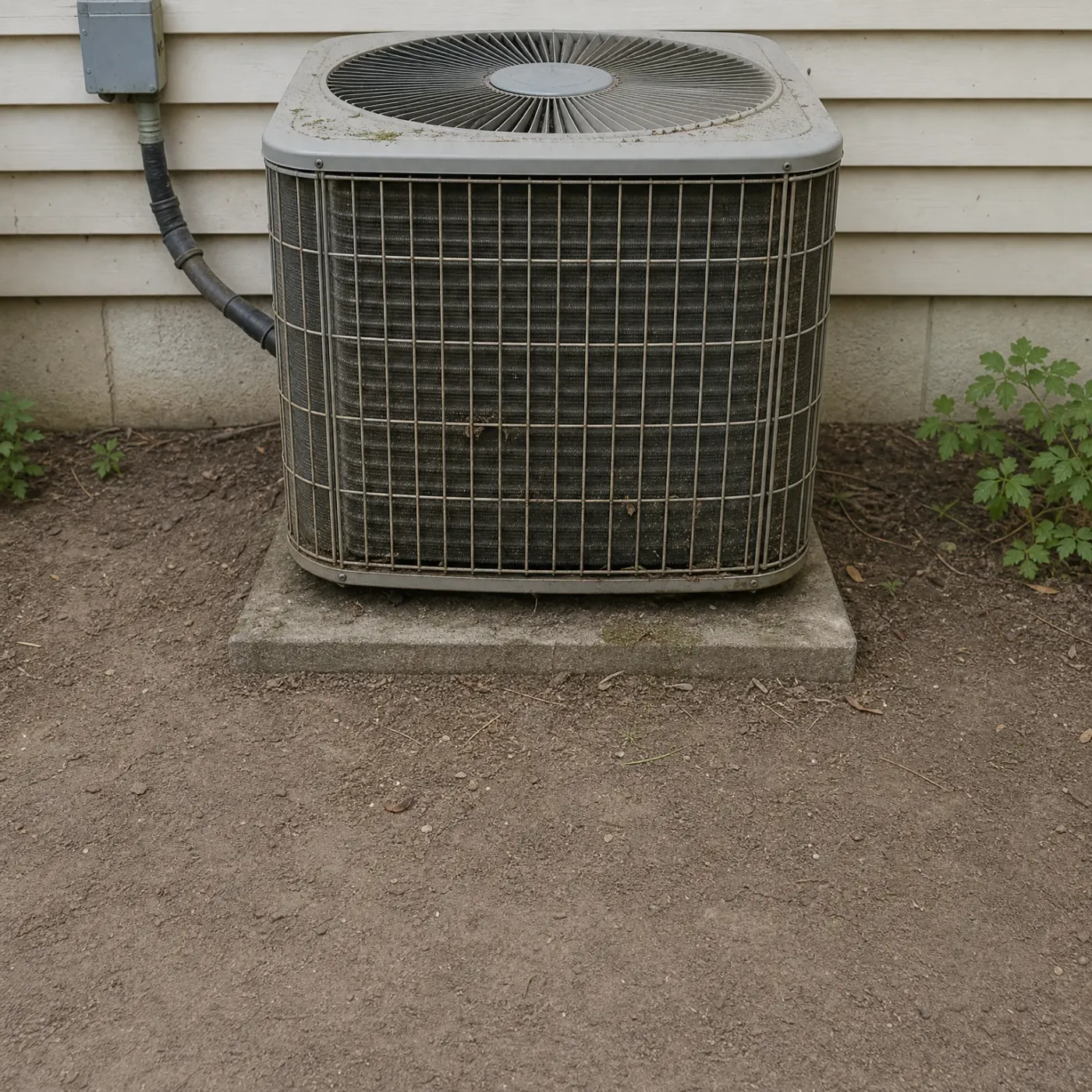
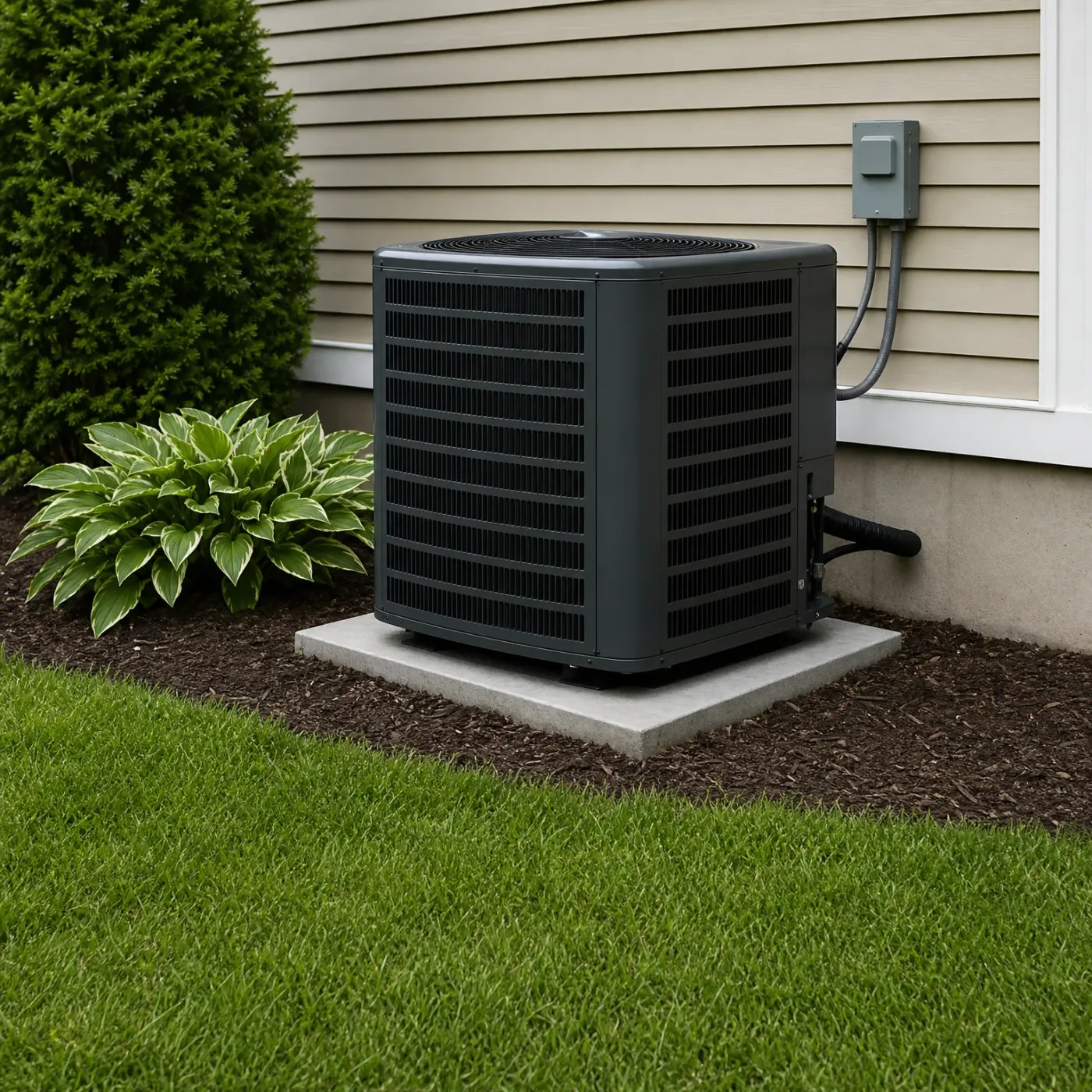
A local pro for your heat pump repair

Send the request and finding a pro stops being your problem.
It costs nothing to send, and you don't have to hire anyone.
A heat pump moving heat from cold outdoor air works harder as the temperature drops, and below a certain point it can't keep up with an Iowa cold snap alone.
That's when the system leans on backup heat to close the gap, and if it's stuck there instead of switching back once things warm up, something in the heat pump itself needs a look.
Power costs 13.62 cents per kilowatt-hour statewide
At 13.62 cents a kilowatt-hour, running electric strips to cover for a stuck heat pump adds up fast on your bill. A furnace burning gas costs you far less to carry the same load, which is why a heat pump stuck on emergency heat deserves a quick fix, not a season of waiting.
EIA-861 2025 statewide residential average





What a stuck system costs the rest of your house
If the heat pump won't come back on its own, the furnace or the electric strips keep carrying the whole load until someone fixes the actual problem. You'll feel it as a house that's warm enough but a bill that isn't right, or a furnace that seems to run longer than it should for how mild it's been. Some homes won't notice anything except the number on the statement.
A heat pump that's stuck on backup isn't working toward anything. It just sits there while the furnace does the job it was supposed to share. Getting matched with a contractor who knows these systems means someone looks at what actually tripped it, whether that's the outdoor unit, the controls, or something electrical, and you're not the one calling around trying to find out who handles heat pumps in your town. Once you send the form, that part is off your plate.



Where That Leaves You
- Emergency heat that runs for more than a day usually means the heat pump needs a repair, not a reset.
- The furnace or electric strips can carry the house in the meantime, but they aren't built to run as the only source of heat.
- A frozen outdoor coil, a stuck reversing valve, or a dead compressor all show up the same way: the system stuck on backup.
- Once the heat pump is fixed, it goes back to sharing the load, and the furnace or strips stop running overtime.
- Sending the form is the last step on your end; a contractor who works on heat pumps takes it from there.
- You don't have to figure out which part failed before you ask for help.
A heat pump that won't come off emergency heat has a reason, and the reason has a fix. Sometimes it's ice on the outdoor coil that never cleared. Sometimes the reversing valve is stuck in one position, or the compressor has quit and the unit outside isn't doing anything at all. From where you're standing, it all looks the same: the furnace or the electric strips doing work that's supposed to be split two ways, and your bill carrying that cost until someone sorts it out. You don't need to know which of those it is before you ask for help. That part is for whoever comes out to look at it, and a contractor who works on heat pumps will check the coil, the valve, and the compressor in the order that makes sense, not guess at it over the phone. What you do need to know is that this isn't something that clears up on its own with time, and it isn't something the furnace was built to cover indefinitely. Once the form is in, the search is off your plate. You're not the one calling around or waiting on hold trying to find someone who answers. A contractor who handles this equipment gets matched to your situation and reaches out to you. The heat pump goes back to carrying its half of the house, the backup goes back to backup, and the bill goes back to reflecting a system that's actually sharing the load instead of covering for one that gave up on it.
Get the right pro for your heat pump
After this form, you can stop searching for a heat pump pro.